Energy audits help you find inefficiencies in your home by inspecting insulation, ventilation, and air leaks. Using tools like thermal cameras, blower doors, and smoke pencils, auditors identify areas where heat escapes or enters unnecessarily. They check for drafts, poor insulation, and ventilation issues, allowing you to target these problems for improvements. Keep exploring to discover how this process can save you money and boost your comfort more effectively.
Key Takeaways
- Thermal cameras detect heat loss areas by visualizing temperature differences across surfaces.
- Blower doors measure air leakage and infiltration by assessing building pressure and airflow.
- Smoke pencils reveal drafts and leaks around windows, doors, and vents for targeted sealing.
- Inspections of insulation levels identify areas with inadequate or outdated insulation.
- Evaluation of ventilation systems ensures proper air exchange and detects inefficiencies or leaks.

Performing an energy audit in your home is one of the most effective ways to identify areas where you’re losing energy and money. When you schedule an audit, a professional will examine your home’s structure, systems, and habits to find inefficiencies. One key area they focus on is insulation. Poor or outdated insulation can allow heat to escape during winter and let warm air seep in during summer, forcing your heating and cooling systems to work harder. During the audit, they’ll assess your attic, walls, floors, and basement to determine if your insulation levels meet current standards. If they’re lacking or uneven, upgrading your insulation can dramatically improve your home’s energy efficiency, reducing your utility bills and making your living space more comfortable year-round.
Energy audits identify insulation gaps to boost efficiency, lower bills, and improve home comfort year-round.
Ventilation is another critical aspect that often gets overlooked but plays a crucial role in your home’s energy performance. Proper ventilation upgrades ensure that stale indoor air is replaced with fresh air without wasting excessive energy. During the audit, experts check for areas where air leaks occur, such as around windows, doors, vents, and exhaust fans. They might also evaluate your ventilation systems—whether natural or mechanical—to see if they are functioning at their best. Upgrading ventilation can help control humidity, prevent mold, and improve indoor air quality, all while reducing energy waste. Sealing leaks and installing energy-efficient ventilation systems means your HVAC doesn’t have to compensate for unnecessary air exchange, saving you money on heating and cooling costs.
The audit process often involves using specialized tools like thermal cameras, blower doors, and smoke pencils. These tools help pinpoint exactly where heat is escaping and where air leaks are occurring. Once identified, you can prioritize improvements. For example, sealing gaps around windows and doors, adding or replacing insulation, and installing smarter ventilation systems can make a noticeable difference. These upgrades not only lower energy bills but also enhance comfort and indoor air quality. Plus, many energy-efficient improvements qualify for rebates or incentives, making them more affordable. Additionally, understanding the signs of spoilage in your home’s insulation and ventilation components can help prevent further energy loss.
In essence, an energy audit helps you see the hidden flaws in your home’s design and operation. By addressing insulation gaps and ventilation issues, you can create a more energy-efficient, comfortable, and cost-effective living environment. It’s a smart investment that pays off over time, especially as energy prices continue to rise. Taking these steps after an audit ensures that you’re not just guessing where your energy is going, but actively fixing the problems that cause waste, making your home better for you and the environment.

TOPDON TC004 Mini Thermal Imaging Camera, 240 x 240 TISR Resolution
- Enhanced Thermal Resolution: 128×128 to 240×240 TISR technology
- Wide Field of View: 40°x30° for detailed inspections
- High Refresh Rate: 25Hz for smooth thermal images
As an affiliate, we earn on qualifying purchases.
As an affiliate, we earn on qualifying purchases.
Frequently Asked Questions
How Often Should I Schedule an Energy Audit?
You should schedule an energy audit every 3 to 5 years to keep your home energy-efficient. Regular audits help identify issues with home insulation, so you can improve thermal performance, and assess appliance efficiency, reducing energy waste. If you’ve made recent upgrades or notice rising energy bills, consider scheduling sooner. Staying proactive guarantees your home stays comfortable and cost-effective while minimizing environmental impact.
What Is the Average Cost of an Energy Audit?
The average cost of an energy audit ranges from $200 to $600, depending on your home’s size and location. You should get a cost estimate from different service providers to compare prices and services. Some providers offer rebates or discounts, so it’s worth shopping around. Keep in mind that investing in an energy audit can save you money long-term by pinpointing inefficiencies and reducing energy bills.
Can Energy Audits Improve Home Safety?
Imagine walking through your home, feeling safer with every step—an energy audit can make that happen. It uncovers hidden fire hazards and safety risks, like faulty wiring or poor ventilation, that threaten your home safety. By identifying these issues early, you can fix problems before they escalate, reducing fire hazards and ensuring your loved ones are protected. An energy audit isn’t just about saving energy; it’s about making your home safer.
Do Energy Audits Qualify for Government Rebates?
Yes, energy audits often qualify for government rebates and incentives. When you get an audit, you may become eligible for various government programs designed to promote energy efficiency. These incentives can help offset the cost of recommended upgrades, making it more affordable to improve your home’s energy performance. Check your local or national programs to see if your energy audit qualifies for specific rebates and maximize your savings.
How Long Does an Energy Audit Typically Take?
An energy audit typically takes between 2 to 4 hours, depending on your home’s size and complexity. During the inspection process, a professional thoroughly examines your heating and cooling systems, insulation, windows, and appliances. The audit duration varies based on these factors, but you’ll find that most audits are completed within a few hours. This timeframe guarantees a detailed assessment, helping identify areas where you can improve energy efficiency and save money.

Minneapolis Blower Doors DUCT-KIT-001 Duct Blaster® System (with DG-1000)
- System Type: Series B 110V System with DG-1000
- Pressure and Flow Gauge: Includes DG-1000 gauge
- Air Flow Range: 10-1,500 CFM
As an affiliate, we earn on qualifying purchases.
As an affiliate, we earn on qualifying purchases.
Conclusion
So, next time your heating bill skyrockets, don’t just shrug it off. Maybe it’s time for an energy audit—think of it as a home’s check-up, minus the needles. You’ll uncover those sneaky inefficiencies hiding in plain sight, saving money and the planet (one awkward draft at a time). Who knew fixing your home could be so enlightening? Trust me, your wallet and the environment will thank you for finally paying attention.

Regin Smoke Pen Plus Three (3) Wicks-Economy Kit. Dense, White Smoke Trail for Finding Drafts and Air Leaks. 30 Minutes per Wick. Start and Stop. Unused Wick Stores in Pen. Extra Wicks Available.
- Precise Draft Detection: Locates drafts and air leaks accurately
- Portable and Time-Saving: Easy to use during inspections and tests
- Dense, Viewable Smoke: Provides clear visual trail for leaks
As an affiliate, we earn on qualifying purchases.
As an affiliate, we earn on qualifying purchases.
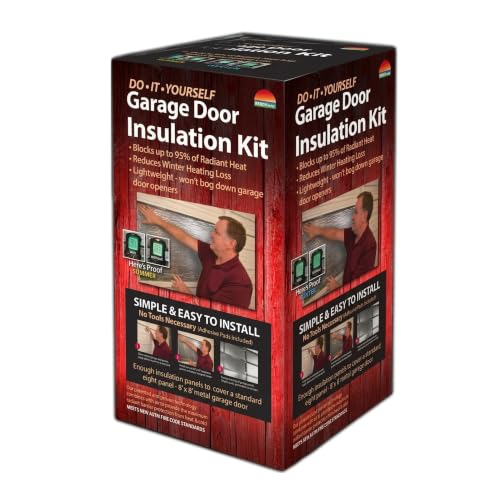
Reach Barrier Garage Door Insulation Kit, Reflective, 8×8 Single Door
- Coverage for Single Garage Door: 8ft x 8ft coverage for one door
- Pre-Cut Insulation Panels: Includes 8 panels with adhesive pads
- Reflective Double-Sided Film: Reflective film on both sides of panels
As an affiliate, we earn on qualifying purchases.
As an affiliate, we earn on qualifying purchases.