
Combining heat pumps with solar PV systems helps you maximize energy efficiency and cut energy costs. By harnessing renewable solar power, your heat pump can operate more sustainably, especially when paired with battery storage to use excess energy during cloudy days. This setup reduces reliance on the grid and lowers your carbon footprint. To get the most out of this combination, proper system sizing and smart controls are key—keep exploring to learn how to optimize your setup for maximum benefit.
Key Takeaways
- Properly size solar PV systems to meet both household energy and heat pump requirements for optimal performance.
- Integrate smart controls to prioritize renewable energy use and optimize system operation based on weather and demand.
- Use battery storage to store excess solar power, ensuring efficient heat pump operation during low sunlight periods.
- Ensure seamless communication between heat pumps and solar inverters for coordinated energy management.
- Leverage renewable energy incentives and policies to maximize economic benefits and system efficiency.

As more homeowners seek sustainable and cost-effective solutions, combining heat pumps with solar photovoltaic (PV) systems has become an increasingly popular choice. This pairing maximizes energy efficiency by harnessing renewable resources to meet heating, cooling, and electricity needs. When you opt for an air source heat pump, it extracts heat from the outside air, even in cold weather, making it a versatile and efficient heating option. Integrating this with solar PV creates a seamless system where solar panels generate electricity that can power the heat pump, reducing reliance on the grid and lowering energy bills.
System integration is vital here. When your solar PV system is properly integrated with your heat pump, it allows for better energy management and enhancement. During sunny days, your solar panels produce excess electricity that can be used directly to run your air source heat pump, or stored in batteries for later use. This setup minimizes energy waste and guarantees that your heating and cooling needs are met primarily through renewable sources. You might also consider smart controls that automatically prioritize solar energy use, further boosting efficiency and reducing costs.
The beauty of combining these systems lies in their complementary nature. An air source heat pump can operate efficiently even during winter months, while your solar PV system takes advantage of the sun’s energy during the day. When combined, they create a synergy that markedly reduces your carbon footprint. You’ll notice the benefits not only in lower energy bills but also in the comfort of a well-regulated indoor environment. Plus, since solar panels can generate surplus power, you might even earn credits or incentives depending on your location’s renewable energy policies.
To maximize the benefits, proper system planning and installation are essential. You need to guarantee your solar PV system is appropriately sized to meet your household’s energy demands, including the heating load handled by your air source heat pump. The system integration should also include compatible equipment and control systems that allow seamless communication between the solar panels, inverter, and heat pump. This coordination ensures your system responds dynamically to changing weather conditions and energy needs, maintaining peak efficiency. Additionally, understanding copyright and affiliate disclosures is important for transparency when considering system purchases or upgrades.

ECO WORTHY 10000W Output Complete Off-Grid Solar Panel Kit for Home| 10KW 120V/240V Output Split Phase Inverter| 48V 314Ah16.1kWh High Capacity Energy Storage| 2950W Solar Panel PV| Whole House System
System Components:Delivers up to 10kW power output with 120V/240V single-phase split-phase support, making it suitable for smoothly running…
As an affiliate, we earn on qualifying purchases.
As an affiliate, we earn on qualifying purchases.
Frequently Asked Questions
How Does Weather Impact Combined System Efficiency?
Weather variability critically impacts your combined system’s efficiency. Cold, cloudy days reduce solar PV output, limiting energy for your heat pump. Conversely, warmer, sunnier weather boosts solar production, enhancing performance. Seasonal performance fluctuates as weather conditions change, making it essential to monitor and optimize system settings accordingly. By understanding these patterns, you can maximize energy use and maintain efficiency year-round, even amid unpredictable weather.
Can Existing Home Systems Be Upgraded to Include Both?
Sure, you can retrofit your existing home to include both, but don’t expect it to be a walk in the park. Retrofitting challenges like system compatibility and wiring issues often pop up, making you wish for simpler days. Still, with careful planning and professional help, upgrading your system can be worth it. You’ll enjoy more energy savings and a greener home, even if it takes some effort to make everything fit seamlessly.
What Are the Long-Term Maintenance Costs?
Your long-term maintenance costs are generally manageable. With proper care, components like heat pumps and solar PV systems have high durability, reducing frequent repairs. A thorough cost analysis shows that while initial investments are higher, ongoing maintenance remains relatively low, mainly involving routine inspections and cleaning. Investing in quality components and regular upkeep helps extend system lifespan, saving you money over time and ensuring maximum efficiency from your combined energy solutions.
Are There Government Incentives for Combined Heat Pump and Solar PV Systems?
You might be surprised, but yes, there are government rebates and financial incentives available for combining heat pumps with solar PV systems. These programs aim to encourage energy efficiency and reduce carbon footprints. Incentives vary by region, so you should check local policies. Taking advantage of these rebates can appreciably cut your initial costs, making it more affordable to upgrade to a highly efficient, eco-friendly system.
How Do System Sizes Affect Overall Energy Savings?
System sizing plays a vital role in energy optimization and overall savings. If you size your heat pump and solar PV system correctly, you’ll maximize efficiency and minimize waste. Oversized systems waste energy and increase costs, while undersized ones struggle to meet demand. Accurate system sizing ensures you generate enough solar power and provide sufficient heating or cooling, leading to better energy savings and a more effective combined system.

WARMBLU H5PRO Air-Source Pool Heat Pump 16,000BTU 4,000 Gal High Efficiency COP6.0 Energy Save 50% Above Smart WiFi Control 110V
SpringBreath 1.0 Heating System with Quantifiable Results—Built to efficiently handle large pools up to 4,000 gallons. H5, centered…
As an affiliate, we earn on qualifying purchases.
As an affiliate, we earn on qualifying purchases.
Conclusion
By combining heat pumps with solar PV, you can markedly boost your home’s efficiency. Did you know that solar PV can generate up to 100% of your home’s electricity needs? This synergy not only reduces your energy bills but also cuts your carbon footprint. Embracing both technologies means you’re maximizing renewable energy use and saving money in the long run. It’s a smart move toward a more sustainable and cost-effective home.
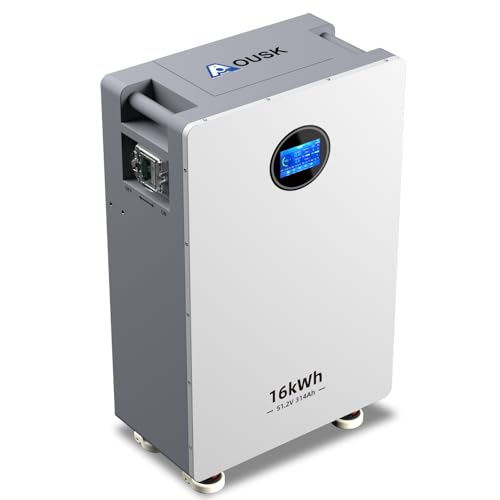
AOUSK 48V 314Ah Lifepo4 16.07kWh Lithium Battery, Build in 200A BMS High Capacity Energy Storage with Breakers, LCD Touchscreen, RS485/CAN/RS232, Ideal for Home Backup, Off-Grid, Solar System
Advanced Safety & Long-Lasting Reliability: Engineered for total peace of mind, this 48V 314Ah LiFePO4 battery features a…
As an affiliate, we earn on qualifying purchases.
As an affiliate, we earn on qualifying purchases.
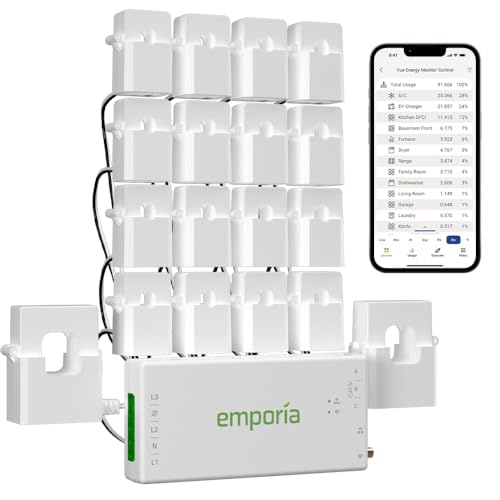
Emporia Vue 3 Home Energy Monitor – Smart Home Automation Module and Real Time Electricity Usage Monitor, Power Consumption Meter, Solar and Net Metering for UL Certified Safe Energy Monitoring
SAFETY YOU CAN TRUST WITH UL CERTIFICATION: With Emporia Energy, your home energy monitoring is safe, reliable, and…
As an affiliate, we earn on qualifying purchases.
As an affiliate, we earn on qualifying purchases.