To measure your energy efficiency improvements over time, start by establishing a baseline that reflects your current energy consumption. Regularly collect data at consistent intervals and analyze key metrics like energy use per unit of output or area. Set clear, measurable goals to track progress, and consider external factors that may influence results. By continuously monitoring and refining your strategies, you’ll gain insights into your advancements and discover new opportunities for savings. Keep going to uncover more ways to optimize your efforts.
Key Takeaways
- Establish a baseline by measuring initial energy consumption before implementing efficiency measures.
- Regularly monitor and record energy data at consistent intervals to track changes over time.
- Use key metrics like energy use per unit of production or area to quantify improvements clearly.
- Set measurable goals based on efficiency metrics to evaluate progress and motivate ongoing efforts.
- Analyze external factors and trends to accurately interpret energy efficiency improvements over the long term.
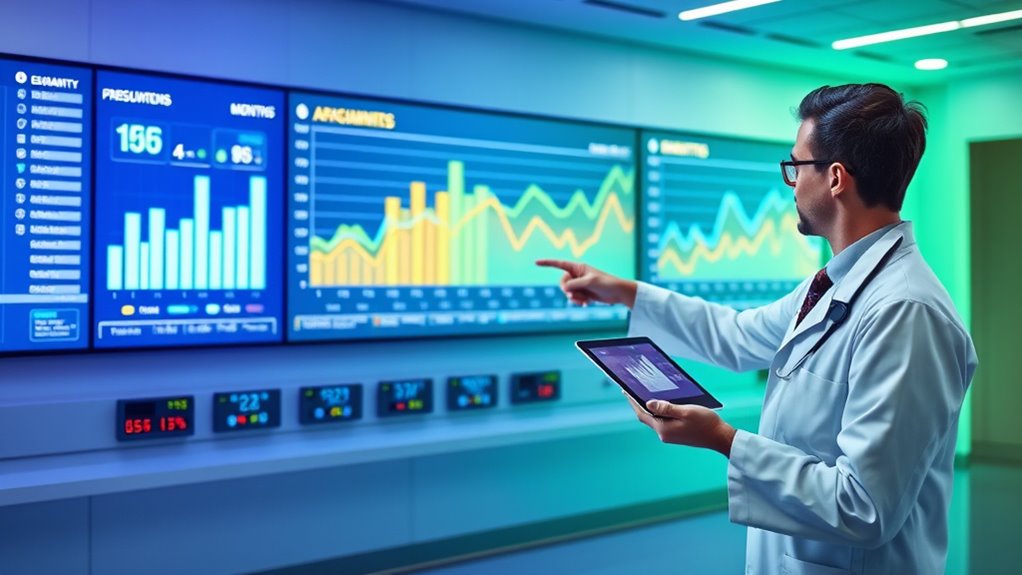
Measuring energy efficiency improvements is vital for understanding how effectively your efforts reduce energy consumption. When you track these changes over time, you gain a clear picture of whether your strategies are working or if adjustments are needed. To do this effectively, you need to focus on key efficiency metrics that provide quantifiable insights into your energy use. These metrics serve as benchmarks, helping you compare performance across different periods and identify trends or anomalies in your energy consumption patterns.
Start by establishing a baseline of your current energy consumption. This initial measurement acts as a reference point against which future data can be compared. As you implement energy-saving measures, regularly monitor your energy consumption to see if there’s a noticeable decline. Efficiency metrics like energy use per unit of production, energy intensity, or energy savings percentage help you translate raw data into understandable and actionable information. For instance, measuring kilowatt-hours per square foot for a building or per product unit in manufacturing provides context that raw energy numbers alone can’t offer.
Consistent data collection is vital. Make sure you record energy consumption at regular intervals—daily, weekly, or monthly—so you can detect patterns and evaluate the impact of your interventions. When you analyze this data, look for correlation between specific actions and changes in efficiency metrics. If you see improvements, it confirms that your measures are effective. If not, it prompts you to reassess your approach or explore other options. Remember, external factors like weather, operational changes, or equipment aging can influence energy consumption, so it’s important to account for these variables to qualify your comparisons are accurate.
Another important aspect is setting realistic, measurable goals based on your efficiency metrics. For example, aiming to reduce energy use per unit of output by a certain percentage over a specified period helps keep your efforts focused and measurable. Use these goals to motivate ongoing improvements and to communicate progress to stakeholders. Over time, tracking these efficiency metrics allows you to identify long-term trends, evaluate the sustainability of your strategies, and make informed decisions on future investments or operational adjustments.
Finally, understanding the Kia Tuning options available can also contribute to overall vehicle energy efficiency, especially when optimizing performance with minimal energy waste. Ultimately, the key to measuring energy efficiency improvements over time lies in diligent data collection, careful analysis, and a clear understanding of your metrics. By doing so, you’ll be able to demonstrate tangible progress, justify investments in energy-saving technologies, and continue refining your approach to maximize efficiency and reduce overall energy consumption.

MINRISE Solar Power Bank 40000mAh, Portable Charger PD 20W Fast Charging
- High Capacity Battery: 40000mAh portable power bank
- Universal Device Compatibility: Compatible with all major phones and tablets
- Fast Charging Output: 20W PD Type-C fast charging
As an affiliate, we earn on qualifying purchases.
Frequently Asked Questions
How Do Weather Variations Affect Energy Efficiency Measurements?
Weather variations substantially impact energy efficiency measurements because climate variability causes fluctuations in energy use. You can account for this by applying weather normalization, which adjusts data to standard conditions, ensuring accurate comparisons over time. This process helps you distinguish genuine efficiency improvements from seasonal or weather-related changes, providing a clearer picture of your energy performance regardless of unpredictable weather patterns.
What Are the Best Tools for Real-Time Energy Monitoring?
You should use smart meters for real-time energy monitoring because they provide instant data on your energy consumption. Pair these with data analytics tools to interpret the information effectively, identify patterns, and spot inefficiencies. This combo allows you to make informed decisions quickly, optimize energy use, and improve efficiency over time. Stay proactive by leveraging these tools to track your progress and adapt your strategies as needed.
How Can Behavioral Changes Impact Energy Efficiency Data?
Imagine your daily choices as brushstrokes shaping your energy landscape. Behavioral changes profoundly impact energy efficiency data, as they alter consumption patterns. By tracking behavioral metrics, you can see how habits influence overall energy use, revealing opportunities for improvement. Small adjustments—like turning off unused devices or optimizing thermostat settings—can lead to measurable reductions in energy consumption, ultimately enhancing your efficiency and reducing costs over time.
Are There Industry Benchmarks for Energy Efficiency Improvements?
Yes, industry standards and benchmarking metrics exist to gauge energy efficiency improvements. You can compare your data against these benchmarks to see how your performance stacks up. These standards help identify best practices and set realistic goals for improvement. By regularly referencing industry benchmarks, you guarantee your efforts align with sector-wide progress, making it easier to track your progress and implement targeted strategies for better energy efficiency.
How Do Policy Changes Influence Energy Measurement Standards?
Think of policy changes as the compass guiding your energy measurement journey. When policies focus on standardization, they sharpen measurement accuracy, making your data clearer and more reliable. These policies act like a lighthouse, illuminating the path for consistent standards across industries. As a result, you’ll find it easier to track improvements, compare benchmarks, and ensure your energy efficiency efforts are on the right course, leading to better, more sustainable outcomes.

YELOMIN Solar Power Bank Portable Charger 20000mAh, 22.5W Fast Charging Compatible with iPhone Samsung iPad, 3 Built-in Cables & Dual LED Flashlight, Outdoor Battery Pack for Camping Travel Hiking
- High-capacity Battery: 20000mAh portable power bank
- Fast Charging Output: 22.5W Quick Charge port
- Multiple Built-in Cables: USB-C, Lightning, USB-A
As an affiliate, we earn on qualifying purchases.
Conclusion
As you track energy efficiency over time, you’ll notice that small improvements add up—kind of like saving pennies daily turns into a fortune. It’s funny how measuring progress often reveals unexpected gains, turning challenges into opportunities. So, keep monitoring your efforts; each step forward isn’t just about numbers, but about creating a smarter, more sustainable future—proof that even the tiniest change can make a big difference when you least expect it.

Mregb Solar Charger Power Bank 42800mAh, Portable Charger, Solar Power Bank,External Battery Pack 5V3.1A Qc 3.0 Fast Charger Built-in Super Bright Flashlight (Orange)
- Simultaneous Device Charging: Charges three devices at once with QC3.0
- Dual USB Ports: Includes two USB outputs for versatile use
- Durable Material: Made from heat-resistant, chemical-resistant ABS
As an affiliate, we earn on qualifying purchases.

SOARAISE Solar Power Bank 48000mAh Wireless Portable Charger with 4 Cables
- High-Efficiency Solar Panels: Charges 5 times faster with 4 panels
- Large Capacity Battery: 48000mAh for extended outdoor use
- Multi-Device Compatibility: Supports 7 devices simultaneously
As an affiliate, we earn on qualifying purchases.