When designing heat pump systems for multi-family buildings, focus on proper zoning to meet diverse tenant needs and improve efficiency. Consider retrofit options like ductless mini-splits if upgrading existing structures. Pay close attention to building performance factors, such as insulation and thermal envelope, to maximize energy savings. Follow local regulations, standards, and best practices. Incorporate smart controls and flexible designs to ensure occupant comfort and system reliability. Continue exploring these key considerations to create an effective, efficient heating solution.
Key Takeaways
- Plan zoning layouts early to accommodate diverse heating and cooling needs across units.
- Choose retrofit options like ductless mini-split systems for easier installation in existing buildings.
- Improve insulation and thermal envelope to enhance heat pump efficiency and reduce energy costs.
- Ensure compliance with local regulations and select models suitable for the building’s climate zone.
- Incorporate smart controls and flexible zoning strategies to optimize occupant comfort and system performance.
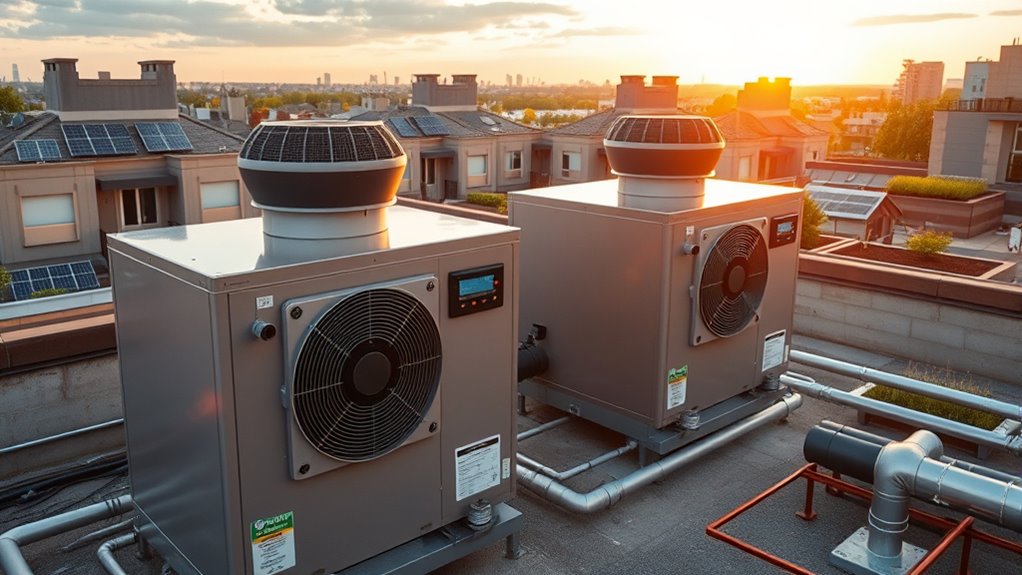
Designing heat pump systems for multi-family buildings requires careful planning to guarantee efficiency, comfort, and cost-effectiveness. When tackling this task, zoning challenges often become a primary concern. Multi-family structures typically feature diverse units with different heating and cooling needs, making it essential to develop a zoning strategy that balances individual comfort with system efficiency. Proper zoning allows you to control temperature settings for each unit or zone, reducing energy waste and providing tailored comfort. However, integrating zoning into existing buildings can be complex, especially if the building wasn’t originally designed for multiple zones. You might face limitations due to space constraints or outdated infrastructure, which can complicate ductwork or piping modifications. Planning the zoning layout early in the design process is vital to avoid costly retrofits later on.
Retrofit options are also a noteworthy consideration when deploying heat pump systems in multi-family buildings. If you’re working with an existing structure, replacing traditional heating systems with heat pumps demands a thorough evaluation of the current setup. You’ll need to explore retrofit options that minimize disruption and maximize energy savings. For instance, ductless mini-split heat pumps can be an excellent solution for retrofit projects—they’re easier to install and require less invasive modifications compared to ducted systems. Alternatively, if the building has a centralized HVAC system, you might consider hybrid solutions that integrate heat pumps with existing equipment, providing flexibility and cost savings. Retrofitting also involves assessing the building’s insulation, windows, and overall thermal envelope, since the effectiveness of heat pumps depends heavily on building performance. Improving these elements can greatly enhance the system’s efficiency, making the retrofit more worthwhile.
Additionally, understanding vetted information about regulations, standards, and best practices can help ensure compliance and optimize system design. When designing the system, you should also consider local climate conditions, as they influence the choice of heat pump type and capacity. Cold climates, for example, require models with enhanced heating capabilities, which might come at a higher initial cost but deliver better long-term performance. Additionally, integrating smart controls can optimize zoning and system operation, ensuring that each unit receives the right amount of heating or cooling without unnecessary energy consumption. This approach enhances occupant comfort and reduces operational costs, especially in multi-unit settings where energy efficiency can noticeably impact overall building expenses. Ultimately, your goal is to develop a tailored, flexible system that adapts to building constraints, occupant needs, and budget considerations. Proper planning, attention to zoning challenges, and thoughtful retrofit options will help you create a reliable, efficient heat pump solution for multi-family buildings that benefits both tenants and property owners.
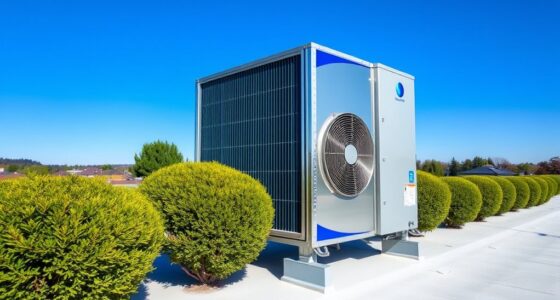
ductless mini-split heat pump for multi-family building
As an affiliate, we earn on qualifying purchases.
As an affiliate, we earn on qualifying purchases.
Frequently Asked Questions
How Do Heat Pumps Perform in Extremely Cold Climates?
In extremely cold climates, heat pumps can still perform well, but you’ll notice they rely heavily on defrost cycles to prevent ice buildup on the coils. These cycles temporarily reduce efficiency, but modern models use advanced refrigerant technology to sustain better refrigerant efficiency at low temperatures. This ensures your heat pump continues to deliver reliable heating, even in harsh winter conditions, with minimal performance loss during cold snaps.
What Maintenance Is Required for Multi-Family Heat Pump Systems?
You should regularly clean or replace system filters to keep airflow smooth, schedule refrigerant checks to prevent leaks, and inspect electrical connections for safety. Additionally, keep outdoor units clear of debris, and verify thermostat functions to guarantee ideal operation. By maintaining these key components, your multi-family heat pump system stays efficient, reliable, and ready to provide heating and cooling when you need it most.
How Do Zoning and Control Systems Impact Efficiency?
Zoning strategies and control optimization notably boost your heat pump system’s efficiency. By dividing your building into zones, you allow precise temperature control, reducing energy waste. Implementing advanced control systems ensures the heat pump responds accurately to each zone’s needs, minimizing unnecessary operation. This combination leads to lower energy bills, enhanced comfort, and extended equipment lifespan, making your multi-family building more sustainable and cost-effective.
What Are the Cost Implications of Different Heat Pump Types?
You’ll find that the cost comparison of different heat pump types considerably impacts your budget. Air-source units are usually cheaper to install but may have higher operating costs, while ground-source systems have higher installation expenses but offer greater efficiency long-term. Consider installation expenses carefully, as they vary greatly depending on the system. Balancing upfront costs with ongoing energy savings helps you choose the most cost-effective option for your multi-family building.
How Can Noise Levels Be Minimized in Multi-Family Installations?
To minimize noise levels in multi-family installations, you should implement soundproofing strategies like acoustic enclosures and sound barriers around the units. Additionally, use vibration isolation pads and mounts to reduce vibrations that cause noise. Regular maintenance also guarantees components operate smoothly, preventing excess noise. These measures help create a quieter environment, enhancing resident comfort and compliance with noise regulations.

Sensi Smart Thermostat, 100 Years of Expertise, Wi-Fi, Data Privacy, Programmable, Easy DIY Install, Works with Alexa, Energy Star Certified, Mobile App, ST55
PRIVACY PROTECTION: Sensi won’t sell your personal information to third parties
As an affiliate, we earn on qualifying purchases.
As an affiliate, we earn on qualifying purchases.
Conclusion
As you navigate designing a multi-family building, keep in mind that thoughtful heat pump choices can gently guide comfort and efficiency. By paying attention to subtle details and embracing flexible solutions, you create a welcoming space that balances performance with sustainability. Remember, small adjustments made with care can lead to a harmonious environment where residents feel cozy and the system runs smoothly. Ultimately, your mindful approach paves the way for a warm, efficient future.
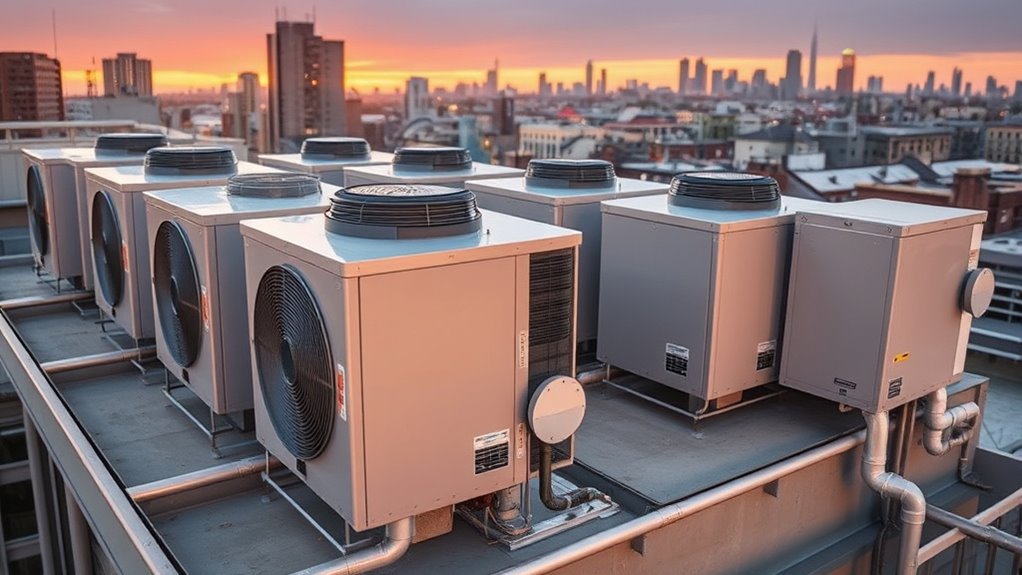
energy-efficient heat pump systems for apartments
As an affiliate, we earn on qualifying purchases.
As an affiliate, we earn on qualifying purchases.
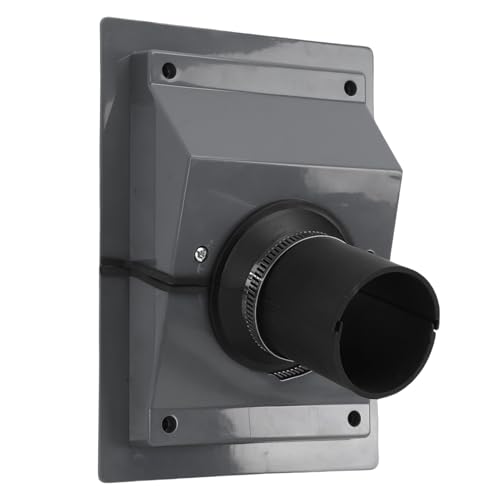
POCREATION HVAC Wall Penetration Line Set Cover Kit Plastic Split AC Wall Cover 23 X 17 Cm Soft Gasket Retrofit Seal Clean Finish for Mini Split Heat Pump Ductless Systems (Gray)
[Easy Retrofit Install]This HVAC wall penetration line set cover kit installs around existing line sets and plumbing, making…
As an affiliate, we earn on qualifying purchases.
As an affiliate, we earn on qualifying purchases.