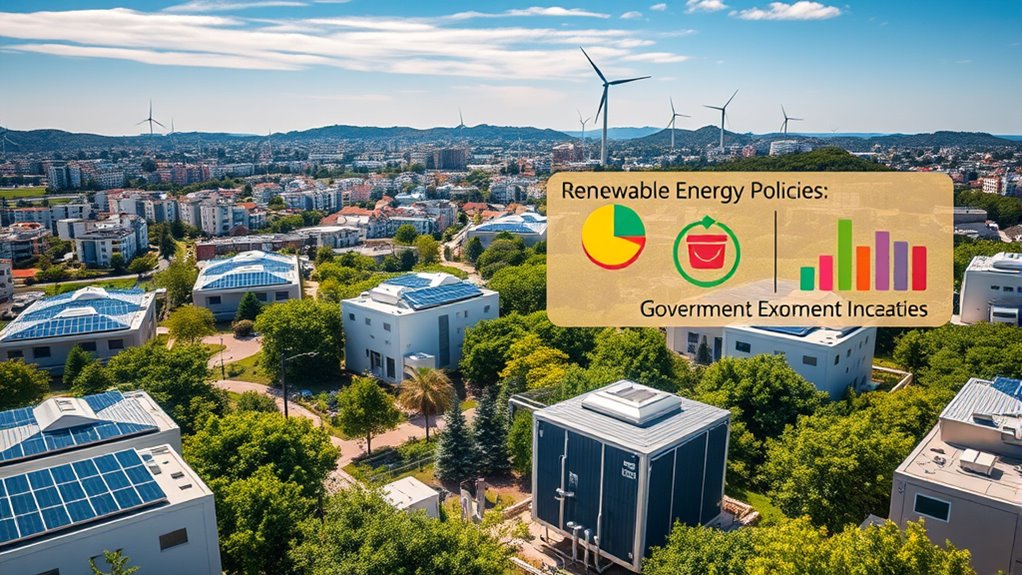

Government policies worldwide are rapidly boosting renewable energy solutions, making heat pumps more accessible and attractive to consumers. You’ll see increased incentives like rebates and tax credits, along with stricter standards that push manufacturers to develop more efficient models. These policies also help shift public perception toward sustainable options and support broader environmental goals. Staying informed about these trends can help you understand how regulations might influence your ability to adopt clean heating technologies.
Key Takeaways
- Increasing government incentives and subsidies reduce installation costs, boosting consumer adoption of heat pumps.
- Stricter efficiency and emissions standards encourage manufacturers to develop more advanced, sustainable heat pump models.
- Policy stability and long-term commitments foster investor confidence and support market growth.
- Regulations phasing out fossil fuel heating options accelerate the shift toward renewable heat pump solutions.
- Integrated policies align environmental goals with economic incentives, promoting widespread adoption of renewable heating technologies.

Have you noticed how renewable energy policies are evolving rapidly worldwide? This shift is markedly impacting the adoption of heat pumps, making them more accessible and attractive options for homeowners and businesses alike. Governments are playing a vital role here, often providing incentives to encourage the switch to cleaner heating technologies. These government incentives include rebates, tax credits, and grants that lower the upfront costs of installing heat pumps. When you see these financial perks, it’s easier to justify investing in a heat pump system because the initial expense becomes less intimidating. As policies become more supportive, you’ll find that more people are motivated to replace traditional heating systems with energy-efficient heat pumps, especially when combined with broader market regulations aimed at reducing carbon emissions. Additionally, policy stability is crucial for encouraging long-term investments in renewable heating solutions like heat pumps. Market regulations are also transforming the landscape. Many countries are setting stricter standards for energy efficiency and emissions, which in turn push manufacturers to develop better, more efficient heat pump models. These regulations often mandate minimum efficiency levels or phase out certain fossil fuel-based heating options, encouraging you to think about heat pumps as a viable and sustainable alternative. Because of these rules, the market is shifting toward cleaner technologies, making heat pumps more widely available and technologically advanced. This creates a ripple effect: as regulations tighten, manufacturers innovate, and prices gradually decrease, making heat pumps more affordable for you and other consumers. Furthermore, these policies are shaping public perception and awareness. When governments actively promote renewable energy solutions through incentives and enforce regulations that favor low-carbon options, you’re more likely to view heat pumps as a practical and responsible choice. The combination of financial support and regulatory pressure creates a compelling environment for adoption. You might also notice that utility companies and local authorities are increasingly offering their own incentives, such as discounted rates or free assessments, further reducing the barriers to switching. This integrated approach, where government incentives and market regulations work together, accelerates the transition toward cleaner heating solutions, aligning economic and environmental goals.
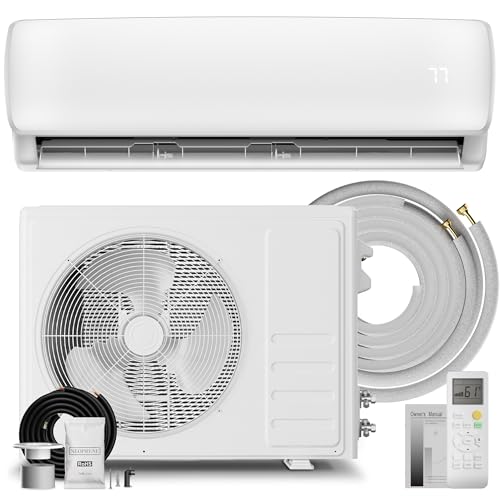
MEPTY 9000BTU Mini Split AC/Heating System, 19 SEER2 Energy Efficient Mini Split Air Conditioner with Heat Pump, 110V Cools Up to 450sq.ft, Ductless Inverter AC Unit with Pre-Charged Condenser
⭐Advanced Energy Saving: Advanced inverter technology with leading 19 SEER2 rating delivers superior performance through ensuring that the...
As an affiliate, we earn on qualifying purchases.
Frequently Asked Questions
How Do Policies Vary Between Urban and Rural Areas?
Policies often differ between urban and rural areas due to urban planning and infrastructure development. In cities, incentives encourage heat pump adoption through stricter building codes and upgraded infrastructure. Conversely, rural policies focus on expanding access and affordability, sometimes offering grants or subsidies. You’ll find urban policies emphasizing modernization, while rural policies aim to bridge gaps, ensuring heat pumps become a practical, sustainable choice everywhere regardless of location.
What Incentives Are Available for Low-Income Households?
You can open incredible savings with incentives for low-income households, like utility rebates that cut costs dramatically. Plus, affordable financing options make upgrading to heat pumps easier than ever, helping you save on energy bills while staying warm and comfortable. These programs are designed to make clean heating accessible to everyone, ensuring no one gets left behind in the move toward renewable energy.
Are There International Standards Influencing National Policies?
International standards play a fundamental role in shaping national policies by promoting policy harmonization, which simplifies the adoption of heat pumps globally. These standards set benchmarks for efficiency, safety, and environmental impact, guiding governments to develop cohesive regulations. When countries align with international standards, it encourages innovation, investment, and streamlined implementation, making it easier for you to access effective heat pump solutions supported by consistent policies across different regions.
How Do Policy Changes Impact Existing Heat Pump Installations?
Policy changes can markedly impact your existing heat pump installations by either encouraging or restricting market penetration. When policies favor renewable energy, they often promote technological innovation, making your heat pump more efficient and cost-effective. Conversely, stricter regulations may require upgrades or replacements, which can affect your investment. Staying informed about policy shifts helps you adapt and maximize the benefits of your heat pump, ensuring continued efficiency and compliance.
What Role Do Private Companies Play in Policy Development?
Think of private companies as architects shaping the future; through corporate lobbying, they influence policy development like master builders. They also forge public-private partnerships, blending resources to accelerate heat pump adoption. Your role involves understanding these dynamics, recognizing that businesses actively advocate for favorable regulations and collaborate with governments. Their efforts help create an environment where renewable energy solutions, like heat pumps, become more accessible and integrated into broader sustainability goals.
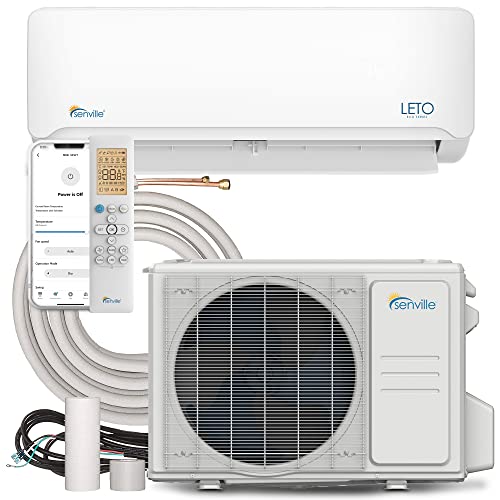
Senville LETO Series Mini Split Air Conditioner Heat Pump, 12000 BTU 110/120V, Inverter, Works with Alexa, SEER2 20.8, 1 Ton, White
Alexa Enabled Mini Split AC/Heating System: Integrate with voice control or app, allowing you to adjust your mini...
As an affiliate, we earn on qualifying purchases.
Conclusion
By staying informed about renewable energy policies, you can confidently embrace heat pump technology without worries about future changes. Policy trends are designed to support sustainable choices, making your progression easier and more affordable. Even if some policies shift, the long-term benefits—cost savings, energy efficiency, and environmental impact—remain clear. So, don’t let uncertainty hold you back; adopting heat pumps now puts you ahead in building a greener, more resilient future.

DELLA Motto Series Mini Split AC, 208-230V 17.5 SEER2 Cools up to 550 Sq.Ft, 12000 BTU Air Conditioner & Heater with 1 Ton Pre-Charged Heat Pump, Works with Alexa and WiFi
QUIET OPERATION & INSTALLATION: This system mandates professional installation as it's not a DIY mini split AC. This...
As an affiliate, we earn on qualifying purchases.

BLUETTI Elite 30 V2 Portable Power Station 600W (Power Lifting 1500W), 288Wh LiFePO4 Battery with 10ms UPS, Emergency Backup Power for Home Blackout/Winter Storm, Solar Generator for Camping/Road Trip
[288Wh On-the-Go Power] - Only 9.4 lbs lightweight, carry it anywhere during storms! 288Wh capacity meets daily &...
As an affiliate, we earn on qualifying purchases.