If you keep your windows closed, pollutants from cooking, cleaning, smoking, and pets build up indoors, and turning up your thermostat won’t fix this. Thermostats only control temperature, not air quality. Without fresh air exchange, pollutants can reach unhealthy levels, causing health issues like coughing and eye irritation. Proper ventilation methods, like exhaust fans or mechanical systems, are essential for improving indoor air. Keep going to learn more about effective ways to improve your air quality.
Key Takeaways
- Closing windows traps indoor pollutants from activities like cooking, cleaning, and pets, leading to poor air quality.
- Thermostats do not control airborne contaminants or chemical pollutants, only temperature.
- Relying solely on air filters without proper ventilation allows pollutant levels to still rise indoors.
- Mechanical ventilation systems like HRVs and exhaust fans are essential to remove stale air and introduce fresh air.
- Sealed environments without ventilation can cause indoor pollutant buildup, worsening health risks despite thermostat use.
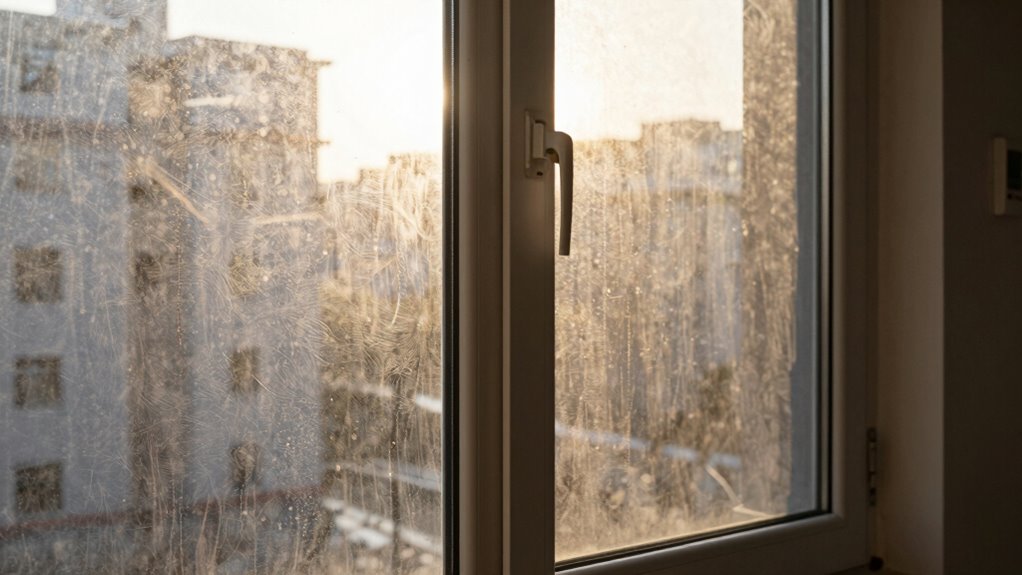
Have you ever wondered how closing your windows might affect the air quality inside your home? It’s a common practice to keep windows shut, especially during extreme weather or to save on energy bills, but doing so can considerably impact indoor pollution levels. When you trap the air inside, pollutants from everyday activities—cooking, cleaning, smoking, or even pet dander—build up over time. Without proper ventilation solutions, these pollutants can cause health issues, worsen allergies, and decrease overall air quality. You might think that turning up your thermostat or relying on air filters will fix the problem, but unfortunately, these measures often fall short when windows remain closed.
Indoor pollution becomes a silent threat when there’s little fresh air coming in. As pollutants accumulate, you may notice increased coughing, eye irritation, or a stuffy feeling—signs that your indoor environment isn’t as healthy as it should be. While it’s tempting to close windows to keep out outdoor allergens or pollution, doing so without addressing ventilation solutions means the indoor air quality can deteriorate rapidly. It’s a tricky balance, especially when outdoor conditions aren’t ideal, but simply relying on a thermostat or air purifiers isn’t enough to counteract the effects of a sealed environment.
Closing windows without proper ventilation can rapidly worsen indoor air quality and cause health issues.
That’s where ventilation solutions come into play. Instead of just sealing your home completely, you need a way to introduce fresh air without sacrificing energy efficiency or comfort. Mechanical ventilation systems, like Heat Recovery Ventilators (HRVs) or Energy Recovery Ventilators (ERVs), can help you achieve this balance. These systems constantly exchange stale indoor air with fresh outdoor air while recovering heat, making sure you don’t lose valuable warmth during winter or coolness during summer. They’re designed precisely for situations where windows stay shut, ensuring indoor pollution doesn’t accumulate unchecked. Additionally, incorporating indoor air quality monitoring can help you keep track of pollutant levels and adjust ventilation accordingly.
Implementing proper ventilation solutions is vital because it actively reduces indoor pollution, creating a healthier living space. You might also consider exhaust fans in kitchens and bathrooms, which remove moisture and pollutants directly at their source. Using air purifiers with HEPA filters can assist in filtering out airborne particles, but they won’t replace the need for fresh air exchange. Proper ventilation not only improves air quality but also reduces the buildup of harmful contaminants that can impact health. Ultimately, keeping windows closed isn’t a problem when paired with an effective ventilation strategy—one that ensures your indoor air remains clean, fresh, and safe. Ignoring this can turn your home into a space filled with pollutants, but with the right solutions, you can maintain a healthy environment regardless of outside conditions.
mechanical ventilation system for home
As an affiliate, we earn on qualifying purchases.
As an affiliate, we earn on qualifying purchases.
Frequently Asked Questions
Can Indoor Plants Improve Air Quality in Closed-Window Rooms?
Yes, indoor plants can improve air quality in closed-window rooms. Plant varieties like snake plants, peace lilies, and pothos excel at air filtration by removing toxins and increasing oxygen. When you add these plants, you actively filter indoor air, making it healthier and fresher. Keep in mind that regular watering and proper placement boost their air purification effects, helping you breathe easier even without open windows.
Are There Specific Air Purifiers Effective Without Thermostats?
Yes, some air purifier brands are effective without thermostats, especially those designed for simple, straightforward use. Look for models with high CADR ratings for pollutants and easy filter maintenance features. Regularly changing or cleaning filters guarantees peak performance. Brands like Honeywell, Levoit, and Blueair offer reliable options. Prioritize models with user-friendly filter maintenance and proven filtration efficiency to improve indoor air quality in closed-window rooms.
How Does Humidity Affect Air Quality in Closed-Window Spaces?
Humidity levels directly impact air quality in closed-window spaces. When humidity is too high, it fosters mold growth and dust mites, worsening indoor air quality. Proper humidity control helps keep moisture in check, reducing mold risk and improving air freshness. You should aim for 30-50% humidity, using dehumidifiers or ventilation to maintain ideal levels. This prevents mold growth, keeps allergens at bay, and ensures a healthier indoor environment.
What Are Natural Remedies to Improve Air Quality Indoors?
You can improve indoor air quality naturally by boosting air circulation with fans or opening vents, which helps disperse pollutants. Use houseplants like spider plants or peace lilies for odor absorption and to filter toxins. Regularly dust and vacuum to remove allergens, and open windows when possible to refresh the air. These simple remedies help keep your indoor environment healthier without relying on mechanical fixes or chemicals.
How Often Should I Replace Filters in Air Purifiers?
You should replace your air purifier filters based on their filter lifespan and the recommended replacement schedule. Typically, filters last about 6 to 12 months, but this varies depending on usage and air quality. Check the manufacturer’s guidelines and inspect filters regularly. If they look dirty or clogged sooner, replace them sooner to maintain ideal air quality. Staying consistent helps your purifier work efficiently and keeps indoor air clean.

Comfort Zone Twin Window Fan with Reversible Airflow Control, 9 inch, Auto-Locking Expanders, 2 Speed Fan, Dual Fan, Exhaust, Airflow 9.84 ft/sec, Ideal for Home, Kitchen, Bedroom & Office, CZ319WT
DUAL SPEED SELECTION: Enjoy the flexibility of choosing between two air output options on this twin speed window…
As an affiliate, we earn on qualifying purchases.
As an affiliate, we earn on qualifying purchases.
Conclusion
Even with windows shut, indoor air quality can drop dramatically, affecting your health and comfort. Did you know that indoor air can be up to five times more polluted than outdoor air? Without a thermostat or proper ventilation, you’re risking increased exposure to allergens, pollutants, and mold. To keep your air fresh and safe, consider air purifiers or ventilation systems—because when windows are closed, your air quality shouldn’t have to suffer.
air quality monitor for indoor air
As an affiliate, we earn on qualifying purchases.
As an affiliate, we earn on qualifying purchases.
heat recovery ventilator (HRV)
As an affiliate, we earn on qualifying purchases.
As an affiliate, we earn on qualifying purchases.