
TL;DR
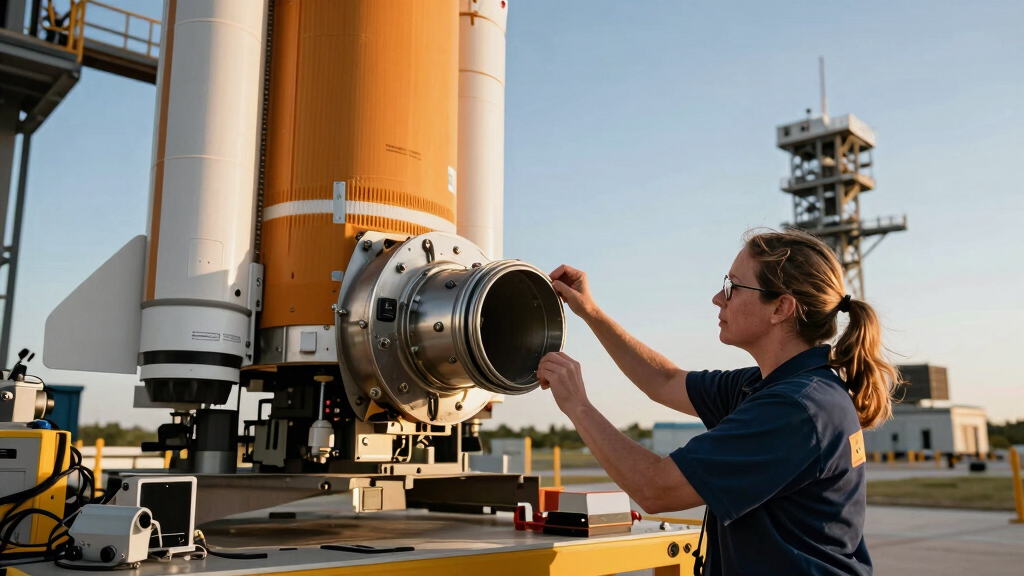
United Launch Alliance (ULA) launched its final Atlas 5 rocket, which will support Amazon’s Leo broadband internet satellites. The launch concludes a decades-long program and has significant implications for satellite deployment and ULA’s future.
United Launch Alliance (ULA) successfully launched its last Atlas 5 rocket today, supporting Amazon’s Leo broadband satellite constellation. This launch marks the final mission of the Atlas 5, a workhorse in U.S. space launches for over two decades, and signifies a transition in launch vehicle programs.
The launch took place from Cape Canaveral Space Force Station and involved the deployment of an Atlas 5 rocket carrying a satellite for Amazon’s Project Kuiper, specifically part of the Leo broadband internet constellation. ULA confirmed that the mission was successful and the satellite was deployed into its intended orbit. The Atlas 5 has been a key vehicle for U.S. government and commercial payloads since its first launch in 2002, and today’s mission concludes its production and operational history.
According to ULA spokespersons, the launch was conducted flawlessly, with the rocket’s Centaur upper stage delivering the satellite into the designated orbit. Amazon’s satellite, part of the company’s effort to expand global internet coverage, is expected to enhance connectivity in underserved regions once operational. The Atlas 5’s retirement is part of ULA’s shift toward newer launch systems, such as the Vulcan rocket, which is still in development but aims to replace the Atlas 5 and Delta IV families.
Impact of the Atlas 5’s Final Launch on Satellite Deployment
This launch represents the end of the Atlas 5’s nearly 22-year service, which has supported critical military, scientific, and commercial missions. Its successful deployment of Amazon’s Leo satellites underscores the vehicle’s role in enabling large-scale broadband projects aimed at global internet coverage. The transition to newer launch vehicles like Vulcan could influence launch costs, capacity, and scheduling for future satellite deployments, impacting companies like Amazon and other satellite operators.

STARLINK Mini Kit – 4th Gen Mini Antenna with Wi-Fi Router – Star Links High-Speed Internet for RVs, Camping, Travel, Remote Work, and Off-Grid Use, Internet Kit
🛰️ PORTABLE HIGH-SPEED INTERNET: Stay connected while traveling, camping, working remotely, or exploring off-grid destinations with compact Starlink…
As an affiliate, we earn on qualifying purchases.
As an affiliate, we earn on qualifying purchases.
History and Transition of ULA’s Atlas 5 Program
The Atlas 5 was introduced in 2002 as part of ULA’s lineup, combining Lockheed Martin’s Atlas design with the Russian RD-180 engine. It became a reliable workhorse for government and commercial payloads, including NASA missions, military satellites, and commercial communications. Over the years, it launched over 80 missions, including the Mars Science Laboratory and GPS satellites.
In recent years, ULA announced plans to phase out the Atlas 5 in favor of the Vulcan Centaur, which promises lower costs and increased payload capacity. The final Atlas 5 mission, supporting Amazon’s Leo constellation, was delayed several times but ultimately succeeded today. The launch marks the culmination of a program that has been central to U.S. space launch capabilities for two decades.
“Today’s successful launch of the final Atlas 5 rocket is a historic milestone for ULA and the U.S. space industry. We are proud of the legacy the Atlas 5 leaves behind.”
— Tory Bruno, ULA CEO
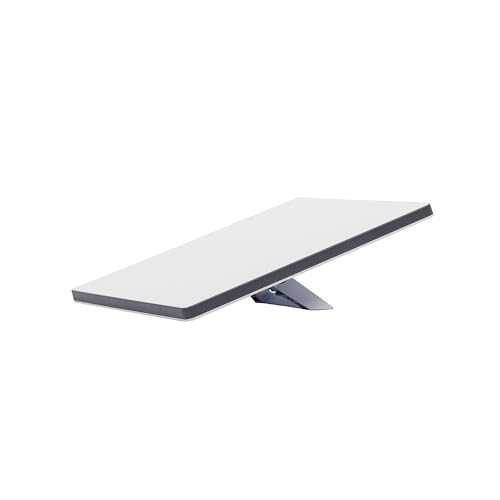
STARLINK Mini Kit – Compact Dual-Band AC Wi-Fi Router and Satellite Dish System – High-Speed Portable Internet for Remote and Mobile Use – White
High-Speed Internet: Downstream speeds of over 100 Mbps, ideal for streaming, video conferencing, and more.
As an affiliate, we earn on qualifying purchases.
As an affiliate, we earn on qualifying purchases.
Remaining Questions About Future Launch Capabilities
While the Atlas 5’s retirement is confirmed, it is still unclear how quickly ULA will transition to the Vulcan Centaur for commercial launches and whether there will be any delays or technical issues. Additionally, the long-term impact on satellite deployment schedules and costs remains to be seen as the new launch system ramps up.

Starlink Mini – Portable Satellite Internet for Boats, RVs, Camping, Off-Grid Adventures – Marine & Land Mobility – Region Free
Ultra-Compact Design: Lightweight and portable for easy transport and quick setup—ideal for boats, RVs, campers, and off-grid cabins.
As an affiliate, we earn on qualifying purchases.
As an affiliate, we earn on qualifying purchases.
Next Steps for ULA and Amazon Satellite Deployment
ULA plans to conduct the first Vulcan Centaur launch later this year, aiming to replace the Atlas 5 entirely. Amazon’s Leo satellites are expected to reach operational status within the next 12-18 months, supporting global internet coverage. Industry analysts will monitor the Vulcan program’s performance as the transition progresses.

6M Pneumatic Camera Telescopic Mast, Vehicle Mounted & Tripod, 30kg Head Load, Aluminum Alloy, for CCTV PTZ Video Camera LED Light Antenna Satellite Communication Equipment
PNEUMATIC FAST LIFTING: Air pressure driven design — no manual cranking required. Connect to the included air compressor…
As an affiliate, we earn on qualifying purchases.
As an affiliate, we earn on qualifying purchases.
Key Questions
Why is the Atlas 5 being retired?
The Atlas 5 is being retired as part of ULA’s plan to transition to the Vulcan Centaur, which offers lower costs, higher payload capacity, and improved technology.
What will replace the Atlas 5 for future satellite launches?
The Vulcan Centaur rocket is expected to replace the Atlas 5 for most future ULA missions, including commercial and government payloads.
How does this launch support Amazon’s broadband plans?
The satellite deployed during this launch is part of Amazon’s Leo constellation, designed to provide high-speed internet in underserved areas worldwide.
When will Amazon’s Leo satellites be operational?
Amazon expects the Leo satellites to become operational within approximately 12-18 months after deployment, depending on final testing and commissioning.
Will the Vulcan rocket be ready for the next Amazon satellite launch?
U.S. officials aim to have Vulcan operational later this year, but any delays could impact the schedule for subsequent satellite deployments.
Source: google-trends