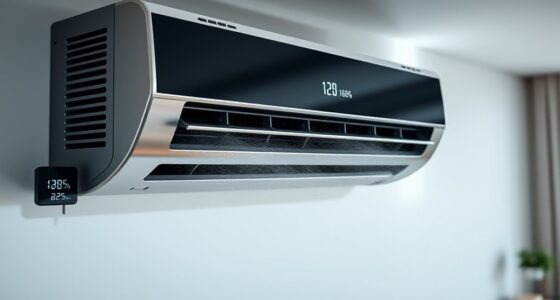
To effectively air condition your server room or data center, you need a system that maintains precise temperature and humidity levels. Proper climate control prevents overheating, reduces equipment failures, and extends hardware lifespan. Regular maintenance of cooling units, filters, and sensors guarantees efficient operation and avoids costly downtime. Incorporating dehumidifiers and monitoring tools keeps moisture levels in check, creating a stable environment. Keep exploring for detailed strategies to optimize your cooling system and safeguard your infrastructure.
Key Takeaways
- Proper air conditioning maintains optimal temperature and humidity levels, preventing overheating and condensation in server rooms.
- Regular maintenance of cooling systems ensures efficiency, reduces energy consumption, and prolongs equipment lifespan.
- Integrating humidity control devices like dehumidifiers and humidifiers helps stabilize environmental conditions.
- Routine inspections and cleaning of filters, coils, and fans optimize cooling performance and prevent system failures.
- Effective climate management minimizes downtime, hardware damage, and operational costs in data center environments.

Maintaining the right temperature is essential for the efficiency and reliability of server rooms and data centers. When your equipment operates within ideal thermal ranges, it reduces the risk of overheating, system failures, and data loss. One pivotal aspect of temperature management is humidity control. Too much humidity can cause condensation, which may lead to short circuits or corrosion over time. Conversely, low humidity increases static electricity, which can damage sensitive hardware components. Hence, implementing precise humidity control ensures a stable environment that protects your equipment and maintains its performance.
Proper humidity control is crucial to prevent condensation, static, and hardware damage in data centers.
To effectively manage humidity, you need to regularly monitor and adjust your climate control systems. Dehumidifiers and humidifiers are indispensable tools in this process, working alongside your cooling units to sustain perfect moisture levels. Proper humidity regulation not only safeguards your hardware but also enhances the overall efficiency of your cooling system. When humidity levels are properly maintained, your cooling system doesn’t have to work as hard to dissipate heat, resulting in energy savings and reduced wear on your equipment. This synergy highlights the importance of integrating humidity management into your regular maintenance routine.
Speaking of maintenance, cooling system upkeep is fundamental to keeping your data center running smoothly. Over time, dust and debris can accumulate in air filters, coils, and fans, diminishing the effectiveness of your cooling units. Regular inspections and cleaning prevent these issues, ensuring your cooling system operates at peak performance. Additionally, refrigerant levels should be checked and topped off as needed, since low refrigerant can impair the system’s ability to remove heat efficiently. It’s also essential to verify that thermostats and sensors are calibrated correctly, so the system responds accurately to temperature fluctuations.
Preventative maintenance extends beyond simple cleaning. You should schedule periodic professional inspections to identify potential problems before they escalate. This includes checking for leaks, electrical connections, and the overall health of your cooling infrastructure. When your cooling system is well-maintained, it reduces downtime, minimizes energy consumption, and prolongs the lifespan of your hardware. Combining good cooling system maintenance with vigilant humidity control creates a stable, efficient environment that keeps your servers operating reliably.
Ultimately, your goal is to create a controlled environment where temperature and humidity are precisely managed. This reduces the likelihood of hardware failure, improves energy efficiency, and ensures your data center can handle the demands of your operations. By staying on top of cooling system maintenance and monitoring humidity levels closely, you’re investing in the longevity and performance of your critical infrastructure. Proper climate control systems play a vital role in achieving this goal, ensuring your data center remains resilient and efficient in the long term.

WMC-2500, 10,000 BTU/Hr Portable Industrial Spot Cooler Air Conditioner, 115V Commercial AC Unit for Indoor, Server rooms & Data centers Use, 15A 1P
SWITCH BETWEEN 4 INSTALLATIONS: The AmeriCool industrial air conditioner offers exceptional versatility with four installation options, including portable,…
As an affiliate, we earn on qualifying purchases.
As an affiliate, we earn on qualifying purchases.
Frequently Asked Questions
How Often Should Server Room Air Filters Be Replaced?
You should replace your server room air filters every 3 to 6 months. Regular filtration maintenance is key to maintaining ideal air quality. Keep an eye on air quality monitoring data; if you notice increased dust or particles, replace filters sooner. Consistent filter changes help prevent dust buildup, improve cooling efficiency, and extend your equipment’s lifespan. Don’t forget, timely filtration maintenance ensures your server environment stays clean and reliable.
Can Portable Air Conditioners Effectively Cool Data Centers?
Portable cooling can effectively cool data centers, especially smaller ones or areas needing supplemental airflow. They’re easy to install and flexible, but you should consider their energy efficiency, as they tend to consume more power compared to fixed systems. If you choose energy-efficient models, portable air conditioners can help manage heat without extensive infrastructure, providing a convenient cooling solution when traditional HVAC options aren’t feasible.
What Is the Ideal Temperature Range for Server Rooms?
You should keep your server room temperature between 18-27°C (64-80°F) to guarantee optimal performance. Proper server room insulation helps maintain this range, preventing heat buildup. Regular cooling system maintenance is vital to avoid overheating and ensure consistent cooling. By monitoring temperature and maintaining insulation and cooling systems, you reduce risks of hardware failure, prolong equipment life, and keep your data center running efficiently.
How Does Humidity Affect Server Equipment?
You should know that high humidity can cause corrosion on server components, leading to equipment failure. Nearly 70% of data center issues are linked to improper humidity levels. Humidity control is essential for moisture mitigation, preventing static buildup and condensation. By maintaining ideal humidity, you protect your servers from damage and ensure smooth operation. Proper humidity management is a critical part of your overall server room climate control strategy.
Are There Energy-Efficient Cooling Options for Large Data Centers?
You can improve energy efficiency in large data centers by adopting energy-saving technologies like hot aisle/cold aisle containment and free cooling systems. Sustainable cooling options, such as liquid cooling and evaporative cooling, reduce power consumption and environmental impact. Regularly upgrading to advanced HVAC systems and optimizing airflow also help lower energy bills while maintaining ideal server performance. These strategies ensure your data center stays cool and sustainable, saving you money in the long run.
dehumidifiers for data centers
As an affiliate, we earn on qualifying purchases.
As an affiliate, we earn on qualifying purchases.
Conclusion
Ensuring proper air conditioning for your server room is like giving a safe harbor to your valuable data—keeping temperatures steady and equipment cool. With the right cooling solutions, you’ll prevent overheating and downtime, letting your servers run smoothly like a well-oiled machine. Don’t let heat waves turn your data center into a furnace; instead, create a cool oasis where your technology can thrive and perform at its best.

Ethernet Server Room Temperature Monitor, PoE Server Rack Temperature Humidity Sensor with Web Interface, SNMP Modbus MQTT Support, Dual Power, IP55, Data Logging, Alarm & Relay Output
Precision Monitoring for Critical Environments: The server room temperature monitor is a professional temperature and humidity monitor built…
As an affiliate, we earn on qualifying purchases.
As an affiliate, we earn on qualifying purchases.
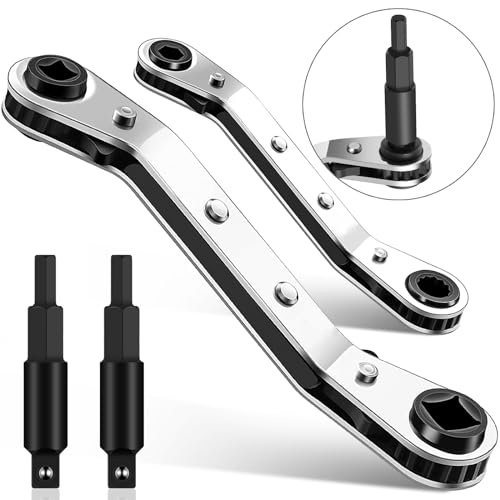
VORIGY 2pcs HVAC Service Wrench Set, 3/16" to 3/8" & 5/16" x 1/4", HVAC Tools with 2 Hex Bit Adapters for Air Conditioning and Refrigeration Equipment Repair
【Premium Materials, Durable and Long-lasting】The power ratchet service wrench set is made from high-quality alloy steel, offering exceptional…
As an affiliate, we earn on qualifying purchases.
As an affiliate, we earn on qualifying purchases.