
Proper air filtration is key to maintaining healthy indoor air quality in your climate control system. HEPA filters can effectively capture dust, pollen, pet dander, mold spores, and harmful microbes, reducing pollutants that can cause allergies, asthma, or other health issues. Regular filter maintenance guarantees your HVAC runs efficiently and keeps the air clean. If you want to discover how to optimize your system’s filtration and improve your indoor environment, there’s more to learn.

Get backup power and energy gear delivered free — and shop member deals
- Fast, free delivery on millions of items
- Access to Prime Big Deal Days deals on October 6–7
- Prime Video, Amazon Music and more included
Key Takeaways
- HEPA filters effectively remove airborne pollutants, improving indoor air quality in climate control systems.
- Proper filtration reduces health risks from allergens, VOCs, mold spores, bacteria, and viruses.
- Compatibility and system specifications are crucial when upgrading to HEPA filters in HVAC units.
- Regular maintenance and filter replacement sustain filtration efficiency and system performance.
- Improved air quality supports healthier indoor environments, especially for allergy or respiratory-sensitive individuals.
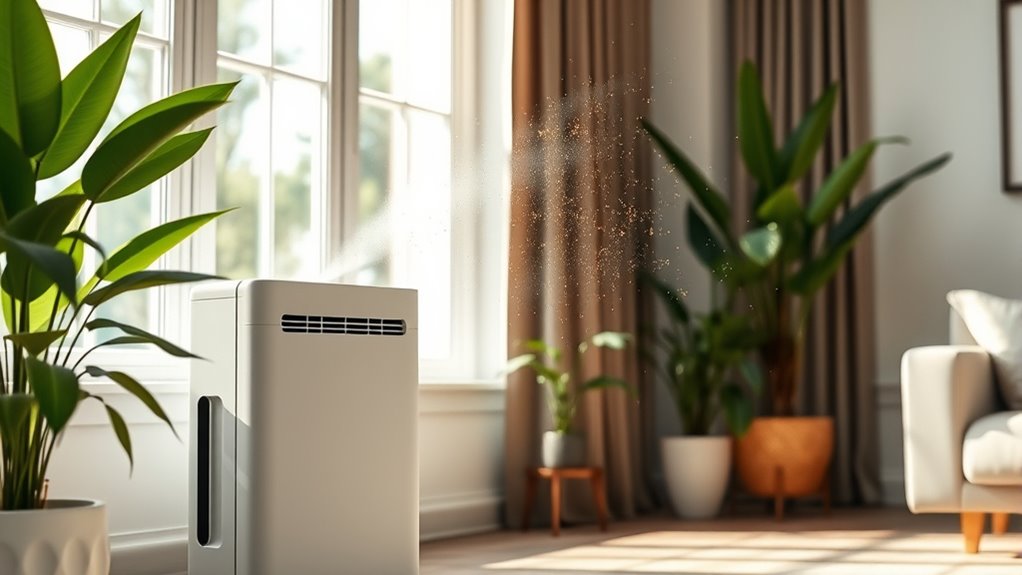
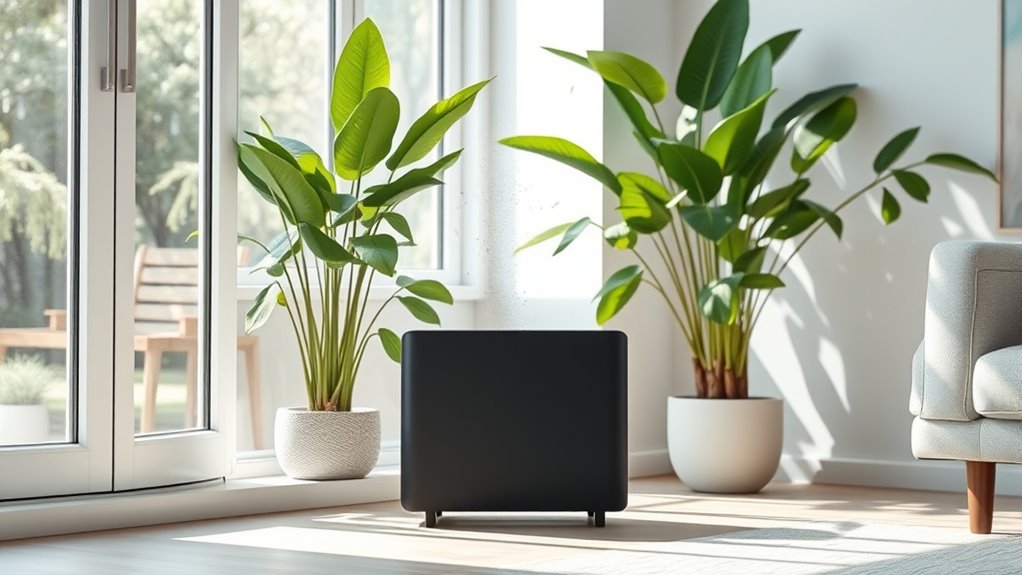
Maintaining good indoor air quality is vital for a comfortable and healthy environment, especially when climate control systems are in use. Your heating, ventilation, and air conditioning (HVAC) systems are responsible for circulating air, but without proper filtration, they can also spread indoor pollutant sources throughout your space. One of the most effective tools for improving air quality is the use of HEPA filters. These high-efficiency particulate air filters are designed to capture tiny particles, including dust, pollen, pet dander, mold spores, and even some bacteria and viruses. When your HVAC system is equipped with a HEPA filter, it actively reduces the concentration of airborne contaminants, making the air cleaner and safer to breathe. This is especially important if you or someone in your household suffers from allergies, asthma, or other respiratory issues.
Indoor pollutant sources can vary widely, and they often contribute to poor air quality. Everyday activities such as cooking, cleaning, or even using personal care products release volatile organic compounds (VOCs) and other pollutants into the air. Additionally, building materials, furniture, and carpets can emit formaldehyde and other chemicals over time. Mold growth can occur in damp areas, releasing spores that aggravate allergies and respiratory conditions. Without proper filtration, these pollutants can linger in the air, decreasing indoor air quality and potentially causing health problems over time. Proper air filtration significantly reduces these risks and improves overall health.
Your climate control system plays an essential role in managing these pollutants, but it’s only as effective as the filters you use. Upgrading to HEPA filters can noticeably improve the air quality by trapping a substantial percentage of airborne particles. Keep in mind that not all HVAC systems are designed to accommodate HEPA filters, so you might need to check your system’s specifications or consult an expert. Regularly replacing or cleaning filters is equally important to maintain their efficiency. Over time, filters become clogged with pollutants and lose their ability to filter effectively, which can strain your system and reduce airflow.
HEPA air purifier filters for HVAC
As an affiliate, we earn on qualifying purchases.
As an affiliate, we earn on qualifying purchases.
Frequently Asked Questions
How Often Should Air Filters Be Replaced for Optimal Indoor Air Quality?
You should replace your air filter every 1 to 3 months to maintain ideal air quality. Regular filter replacement ensures that dust, allergens, and pollutants are effectively removed from the air you breathe. If you have pets, allergies, or live in a polluted area, consider changing filters more frequently. Keeping up with filter replacement helps your HVAC system run efficiently and keeps indoor air quality high.
What Types of Air Purifiers Are Most Effective for Removing Pollutants?
You should choose air purifiers with HEPA filters and activated carbon for maximum pollutant removal. HEPA filters excel at capturing airborne particles like dust, pollen, and pet dander, while activated carbon effectively absorbs odors and chemical pollutants. Combining both provides thorough filtration, improving indoor air quality. Look for units with these features, and make certain they’re appropriately sized for your space for the best results.
How Does Humidity Affect Indoor Air Quality and Filtration Efficiency?
Humidity impact directly influences indoor air quality and filtration performance. When humidity levels are too high, mold and dust mites thrive, worsening air quality and making filters work harder. Conversely, low humidity can cause dust particles to become airborne, reducing filter efficiency. Maintaining ideal humidity—around 40-60%—ensures better filtration performance and healthier indoor air, helping your air purifier operate effectively and keeping your environment comfortable.
Can Air Filtration Systems Eliminate All Indoor Airborne Allergens?
You can’t catch everything, and air filtration systems can’t eliminate all indoor airborne allergens. While they considerably improve allergen removal, there are filtration limitations, especially with tiny particles like pollen or pet dander. Regular maintenance and high-quality filters help, but some allergens may still slip through. So, don’t rely solely on filtration—combine it with good ventilation and cleanliness for the best indoor air quality.
What Maintenance Is Required for HVAC Air Filtration Systems?
You need to regularly replace or clean your HVAC filter to guarantee ideal performance. Check the filter installation to make sure it’s secure and functioning correctly. Additionally, perform system diagnostics periodically to identify any issues early. This maintenance helps maintain indoor air quality, improves system efficiency, and prolongs the life of your HVAC. Remember, following the manufacturer’s guidelines for filter replacement frequency is essential for effective air filtration.
replace HEPA filters for home HVAC
As an affiliate, we earn on qualifying purchases.
As an affiliate, we earn on qualifying purchases.
Conclusion
By choosing the right air filtration system, you’re opening a window to cleaner, healthier indoor air—like clearing fog from a glass. Good air quality isn’t just about comfort; it’s about protecting your health and well-being. Think of your climate control system as the gardener tending to your home’s atmosphere, removing harmful particles and nurturing invigorating, pure air. Take action now, and transform your indoor space into a sanctuary where every inhalation feels like a breath of fresh air.
As an affiliate, we earn on qualifying purchases.
allergy-friendly air filters for HVAC
As an affiliate, we earn on qualifying purchases.
As an affiliate, we earn on qualifying purchases.
Halloween Picks
halloween
As an affiliate, we earn on qualifying purchases.