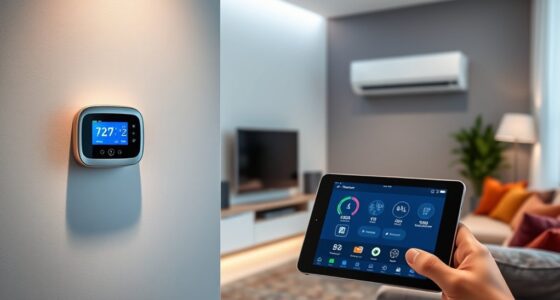
We’ve all experienced that feeling – anxiously awaiting the arrival of our monthly energy bill, trying to find ways to save money we worked hard for.

Get backup power and energy gear delivered free with Prime
- Fast, free delivery on millions of items
- Prime Video, Amazon Music and more included
- Member-only deals all year
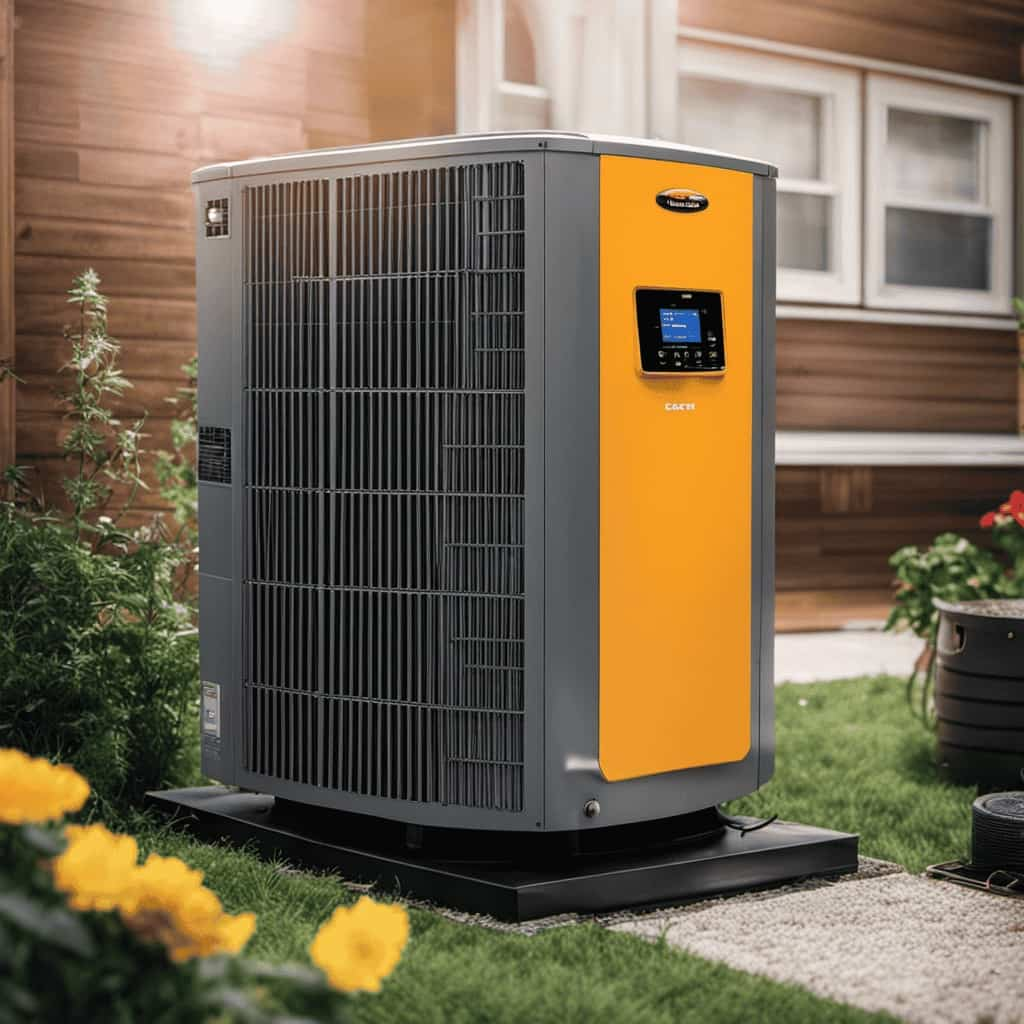
Well, look no further. Energy-efficient heat pumps are here to revolutionize the way we think about heating our homes. With their thrifty power, these innovative devices not only reduce energy consumption but also provide substantial long-term cost savings.
Let’s dive into the world of energy-efficient heat pumps and unveil the secrets to financial success and sustainability.
Key Takeaways
- Energy-efficient heat pumps can significantly reduce monthly utility bills through their energy consumption savings.
- Conducting a cost analysis is crucial to understand the cost-effectiveness of energy-efficient heat pumps, including evaluating initial investment cost, energy savings, and payback period.
- Energy-efficient heat pumps offer financial benefits such as lower utility bills, reduced maintenance costs, and potential incentives and rebates.
- Energy-efficient heat pumps provide long-term cost savings through reduced energy consumption, lower maintenance expenses, and longer lifespan.
Cost-Effectiveness of Energy Efficient Heat Pumps
We’ve discovered that energy efficient heat pumps can significantly reduce our monthly utility bills. To truly understand the cost-effectiveness of energy efficient heat pumps, a comprehensive cost analysis is necessary.

This analysis entails evaluating the initial investment cost, energy consumption savings, and the payback period. The initial investment cost includes the purchase and installation of the heat pump, as well as any necessary modifications to the existing infrastructure.
By comparing the energy consumption of energy efficient heat pumps to traditional heating systems, we can determine the potential savings over time. The payback period is the time it takes for the energy savings to offset the initial investment cost.
Through careful cost analysis, we can ascertain the financial benefits of energy efficient heat pumps and make informed decisions regarding their implementation.
Savings Potential of Energy-Efficient Heat Pumps
We can maximize our savings by utilizing energy-efficient heat pumps and making smart choices about our energy consumption. Energy-efficient heat pumps offer significant energy savings compared to traditional heating and cooling systems. By reducing energy consumption, we not only save money on our utility bills but also reduce our environmental impact.

To illustrate the potential savings of energy-efficient heat pumps, let’s take a look at the following table:
| Energy Consumption | Annual Cost (Traditional System) | Annual Cost (Energy-Efficient Heat Pump) |
|---|---|---|
| Heating | $900 | $600 |
| Cooling | $800 | $500 |
| Total | $1,700 | $1,100 |
As we can see, by using energy-efficient heat pumps, we can save $600 per year on heating and $300 per year on cooling, resulting in a total annual savings of $600. Not only do these savings benefit our wallets, but they also contribute to a greener and more sustainable future.
Return on Investment for Energy-Efficient Heat Pumps
To determine the return on investment for energy-efficient heat pumps, let’s analyze the cost savings and payback period compared to traditional heating and cooling systems.
Conducting an ROI analysis is crucial in understanding the benefits of energy-efficient heat pumps and making informed decisions about their implementation.
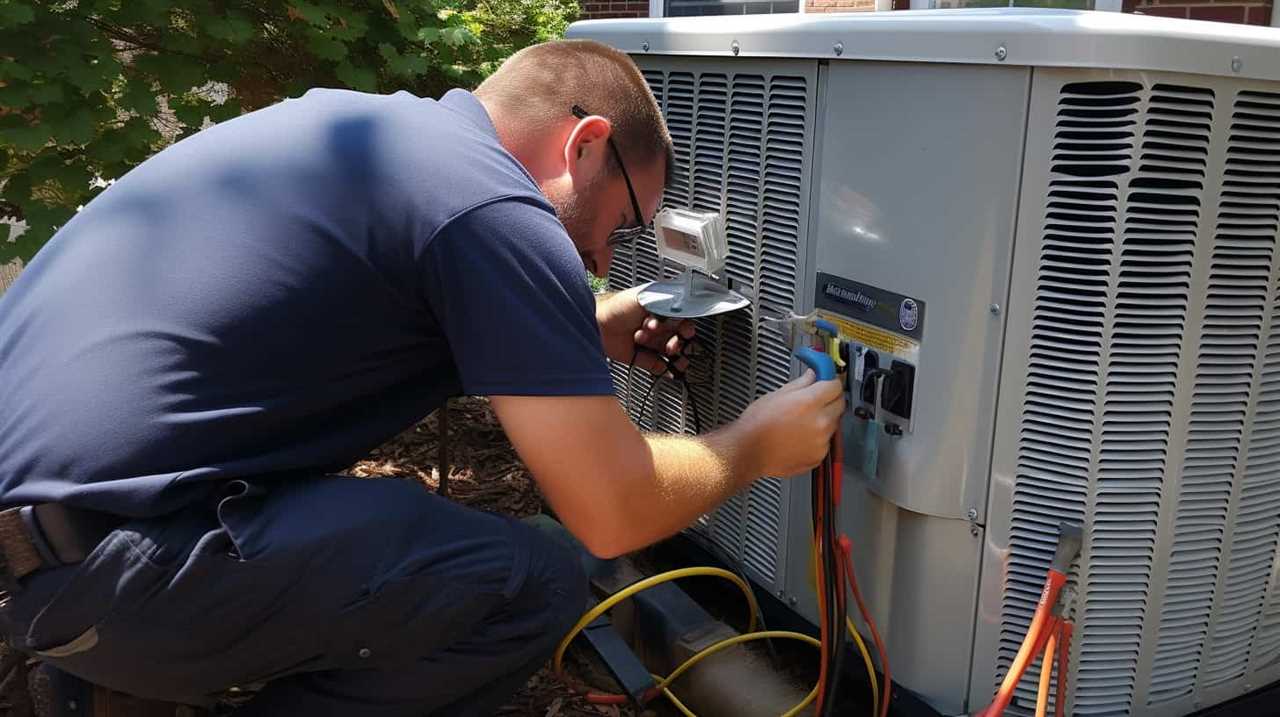
Energy-efficient heat pumps have several advantages that contribute to their positive ROI. Firstly, they consume significantly less energy compared to traditional systems, resulting in lower utility bills and operational costs.
Secondly, they’ve a longer lifespan and require less maintenance, reducing the overall expenses associated with heating and cooling.
Thirdly, energy-efficient heat pumps often qualify for various incentives and rebates, further enhancing their financial viability.
Lastly, their ability to provide both heating and cooling in a single system eliminates the need for separate units, saving on installation and equipment costs.
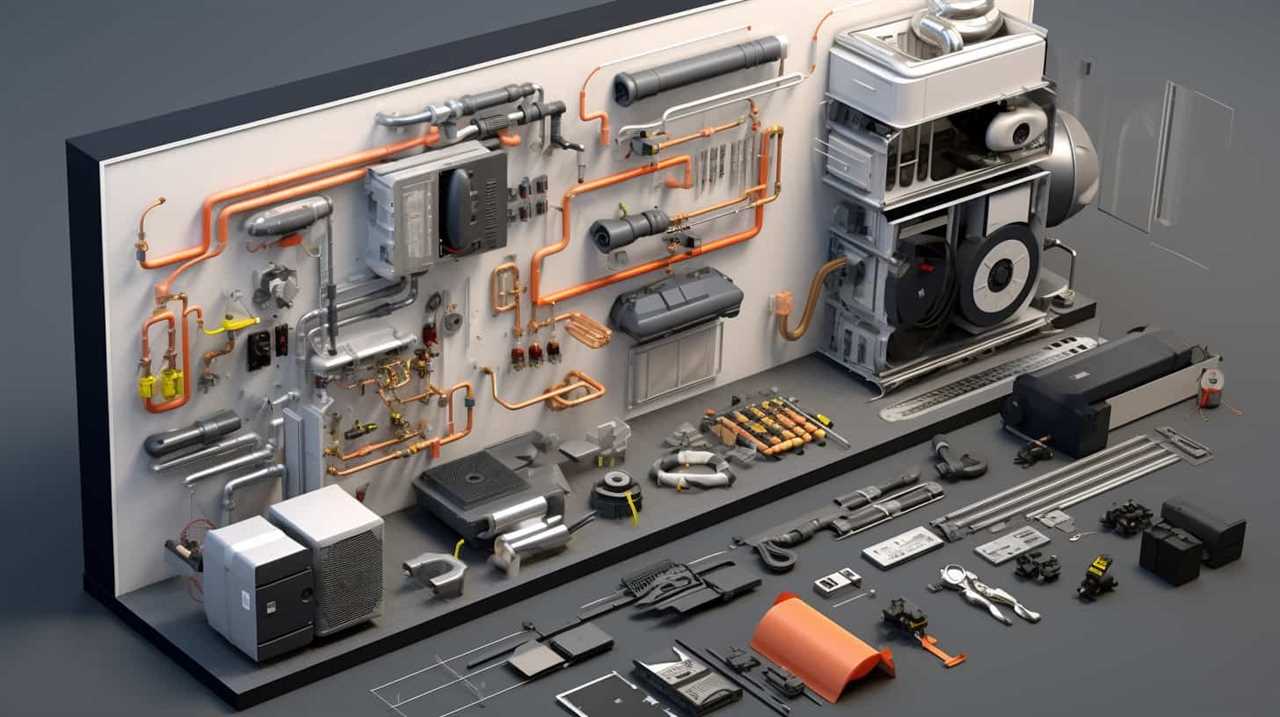
Financial Benefits of Choosing Energy-Efficient Heat Pumps
Choosing energy-efficient heat pumps provides both cost savings and environmental benefits. Not only do these heat pumps reduce energy consumption, but they also qualify for tax credits, further reducing their upfront cost. Additionally, energy-efficient heat pumps require less maintenance, leading to reduced maintenance costs in the long run.
To illustrate the financial benefits of choosing energy-efficient heat pumps, consider the following table:
| Financial Benefit | Description |
|---|---|
| Tax credits | Energy-efficient heat pumps qualify for tax credits, reducing the initial investment. |
| Reduced maintenance costs | Energy-efficient heat pumps require less maintenance, resulting in lower overall maintenance expenses. |
Long-Term Cost Savings With Energy-Efficient Heat Pumps
Over the course of several years, energy-efficient heat pumps can lead to significant long-term cost savings. Here are four reasons why investing in these pumps can result in substantial financial benefits:
Energy Efficiency: Energy-efficient heat pumps are designed to consume less electricity while providing the same level of heating or cooling. This translates to lower energy bills over time, resulting in long-term savings.

Reduced Maintenance Costs: Energy-efficient heat pumps are built with advanced technology that improves their durability and reliability. This means fewer breakdowns and repairs, leading to reduced maintenance expenses in the long run.
Government Incentives: Many governments offer incentives and rebates to encourage the use of energy-efficient appliances, including heat pumps. These financial incentives can help offset the initial investment and accelerate the payback period.
Environmental Impact: By consuming less energy, energy-efficient heat pumps contribute to reduced greenhouse gas emissions and environmental impact. This not only helps protect the planet but also positions homeowners as environmentally conscious individuals.
Frequently Asked Questions
How Does the Installation of Energy-Efficient Heat Pumps Impact the Overall Value of a Home?
Installing energy-efficient heat pumps positively impacts the overall value of our homes. They reduce energy consumption and provide long-term cost savings. These innovative systems are a smart investment for those seeking to minimize expenses and maximize efficiency.

Are There Any Government Incentives or Rebates Available for Purchasing Energy-Efficient Heat Pumps?
There are government incentives and rebates available for purchasing energy-efficient heat pumps. The installation of these pumps can also positively impact the overall value of a home.
Can Energy-Efficient Heat Pumps Be Used in Both Residential and Commercial Settings?
Yes, energy-efficient heat pumps can be used in both residential and commercial settings. A cost effectiveness analysis shows that these pumps can significantly reduce energy consumption and save money in the long run.
Are There Any Maintenance Costs Associated With Owning an Energy-Efficient Heat Pump?
Yes, there are maintenance costs associated with owning an energy-efficient heat pump. However, these costs are offset by the substantial energy savings that the heat pump provides, making it a thrifty investment in the long run.
What Are the Environmental Benefits of Using Energy-Efficient Heat Pumps Compared to Traditional Heating Systems?
Using energy-efficient heat pumps instead of traditional heating systems can lead to significant cost savings and a reduction in greenhouse gas emissions. For example, a case study showed a 40% decrease in energy consumption and a 30% decrease in carbon emissions.

What Are the Benefits of Using Energy-Efficient Heat Pumps for Climate Control?
If you’re searching for cost-effective and environmentally friendly ways to regulate indoor climate, look no further than the perks of heat pumps for climate control. By efficiently transferring heat from one place to another, these systems provide optimal heating and cooling all year round. Enjoy reduced energy consumption, lower utility bills, and a smaller carbon footprint, all while maintaining a comfortable home temperature.
Conclusion
In conclusion, the cost-effectiveness of energy-efficient heat pumps is undeniable. With a potential savings of up to 50% on heating costs, the return on investment for these systems is impressive.
Choosing energy-efficient heat pumps not only provides financial benefits but also leads to long-term cost savings. Embracing this thrifty power can significantly impact our energy consumption and contribute to a more sustainable future.
Halloween Picks
halloween
As an affiliate, we earn on qualifying purchases.