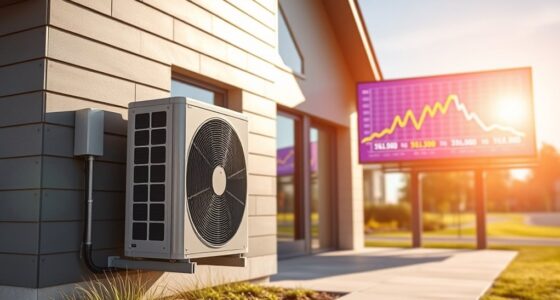

Demand charges make you rethink heating costs by showing that peak energy use, not just total consumption, drives expenses. When your heating system spikes during cold snaps, costs skyrocket. Managing when and how you use energy, like spreading out heating or using smart thermostats, can cut these high charges. Focusing on timing and demand can lead to big savings. Keep exploring to discover strategies that can help you control your heating costs more effectively.
Key Takeaways
- Demand charges focus on peak energy use, encouraging you to manage and spread out heating to lower costs.
- Efficient homes and smart thermostats help reduce demand spikes, leading to more predictable and affordable bills.
- Shifting heating and appliance use away from peak times minimizes high-demand periods and associated charges.
- Proactively managing demand promotes energy savings and cost-effective heating strategies.
- Understanding demand charges shifts your approach from total energy consumption to timing and pattern optimization.

If you’re trying to understand why your heating bills fluctuate, it’s important to take into account demand charges. These charges are a key factor in how much you pay, especially during times of high energy use. Demand charges are based on your peak demand, which is the highest level of energy you draw from the grid during a billing period. When your heating system runs intensely, especially during cold snaps, your peak demand spikes, leading to higher costs. Recognizing this, you can start thinking differently about your heating habits and how they impact your overall energy costs.
Understanding demand charges helps you manage peak energy use and reduce heating costs effectively.
One way to manage demand charges is by improving your home’s energy efficiency. When your home is well-insulated and your heating system runs more smoothly, it doesn’t need to work as hard to maintain a comfortable temperature. As a result, your peak demand decreases, which can significantly cut your heating costs. Simple upgrades like sealing leaks, adding insulation, or installing a programmable thermostat can help keep your home warm without demanding excessive energy during peak times. These improvements not only lower your demand charges but also contribute to more consistent, predictable bills. Additionally, understanding the importance of color accuracy in your home’s heating system can help optimize performance and efficiency.
Understanding peak demand is crucial because it highlights the importance of spreading out your energy use. If you can avoid turning on multiple appliances or increasing your heating all at once, you reduce the likelihood of hitting that high-demand threshold. For example, instead of cranking up your heat during the coldest part of the day, try to maintain a steady, moderate temperature. Using timers or smart thermostats can help you manage your heating schedule, smoothing out demand peaks. Over time, this shift in behavior can lead to noticeable savings and a better grasp of how your energy consumption influences your bills. Recognizing how load shifting can balance your energy use is a key part of demand management strategies. In addition, understanding the significance of peak demand can help you develop more effective strategies for reducing costs.
Furthermore, considering demand management strategies can help you proactively reduce your peak energy use and avoid costly charges. Ultimately, demand charges change the way you think about heating costs by emphasizing the importance of managing your energy demand rather than just focusing on overall consumption. It’s not just about how much energy you use, but when and how you use it. Traditional home decor principles highlight the role of natural materials and balanced aesthetics, similar to how managing demand requires a balanced approach to energy use. Prioritizing energy efficiency and smarter usage can help you avoid costly demand spikes, making your heating more affordable and sustainable. This perspective encourages you to be proactive with home improvements and daily habits, transforming how you approach staying warm while keeping costs in check.
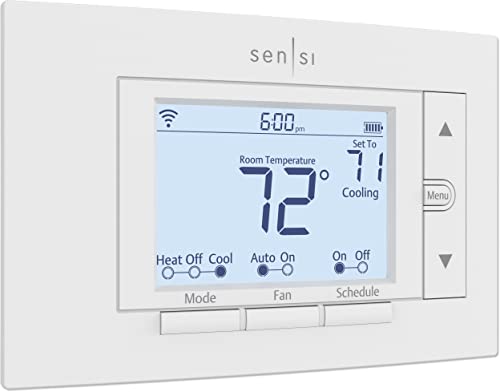
Sensi Smart Thermostat, 100 Years Of Expertise, Wi-Fi, Data Privacy, Programmable, Easy DIY Install, Works With Alexa, Energy Star Certified, Mobile App, ST55
PRIVACY PROTECTION*: Sensi won’t sell your personal information to third parties
As an affiliate, we earn on qualifying purchases.
As an affiliate, we earn on qualifying purchases.
Frequently Asked Questions
How Can I Track My Demand Charges Effectively?
You can track your demand charges effectively by monitoring your usage patterns, especially during peak periods. Use energy management tools or smart meters to identify when your consumption spikes. Keep a detailed log of your energy use, noting times of high demand, and compare these to your demand charges. This approach helps you pinpoint costly periods and adjust your heating habits to reduce demand charges over time.
Do Demand Charges Apply to All Types of Heating Systems?
Hold your horses, this isn’t the age of steam engines! Demand charges typically don’t apply to all heating systems. They mainly target commercial or industrial setups where high power draw impacts costs. For residential systems, demand charges are less common but can influence your overall bill if your utility factors in cost allocation for peak demand. Focus on improving heating efficiency to minimize these charges and keep costs in check.
Can Demand Charges Be Negotiated With Utility Providers?
Yes, you can negotiate demand charges with utility providers by understanding their utility policies and applying effective negotiation strategies. Reach out to your utility company, discuss your energy usage, and explore options like demand rate reductions or alternative plans. Being informed about their policies and demonstrating your willingness to adapt can help you secure better terms, potentially lowering your heating costs and managing demand charges more effectively.
How Do Demand Charges Vary by Season or Time of Day?
Did you know demand charges can spike up to 50% during peak seasons? Seasonal fluctuations and time-specific rates mean your costs vary throughout the year and day. During colder months or peak hours, demand charges often increase as utilities face higher usage. You can save money by shifting energy-intensive tasks to off-peak times and understanding these time-based rates to better manage your heating costs.
What Are the Long-Term Savings From Managing Demand Charges?
Managing demand charges can lead to significant long-term savings by boosting your energy efficiency and reducing overall costs. When you actively monitor and control peak energy usage, you prevent high demand spikes that incur hefty charges. Over time, these strategies help you lower your energy bills, optimize equipment operation, and improve your energy management skills, resulting in consistent cost reduction and a more efficient, budget-friendly heating system.
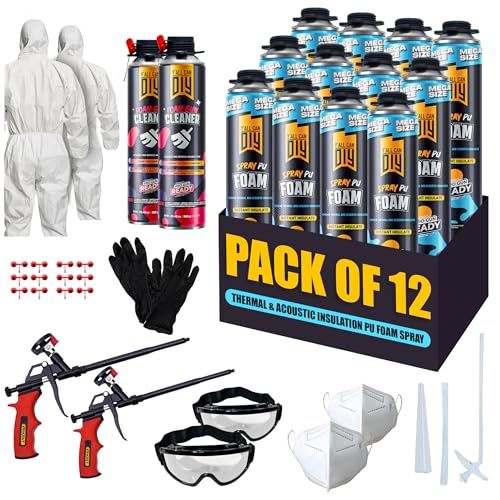
Closed Cell Spray Foam Insulation Kit (12 Pack – 36.6 oz) Expanding Foam for Thermal & Soundproofing – Including 2 Teflon-Coated Guns, 2 Cleaners, 2 Safety Suits, 2 Safety Glasses and Gloves
Comprehensive Set: Includes 12 cans of 33.8 fl.oz (1000ml) expanding foam, each with its own gun straw and…
As an affiliate, we earn on qualifying purchases.
As an affiliate, we earn on qualifying purchases.
Conclusion
As you now see, understanding demand charges might just change how you approach heating costs entirely. It’s a coincidence that these charges often sneak up when you least expect, making you rethink energy habits. By staying informed, you can avoid surprising expenses and optimize your usage. So, next time you’re adjusting your thermostat, remember—small changes today could mean big savings tomorrow, and that’s no coincidence.

Suuwer Non-Programmable Thermostats for Home 1 Heat/1 Cool Conventional Single-Stage Systems (Blue Backlight)
【Notice】Please make sure to read the installation and wiring instructions provided in the pictures carefully before buying. If…
As an affiliate, we earn on qualifying purchases.
As an affiliate, we earn on qualifying purchases.

Emporia Vue 3 Home Energy Monitor – Smart Home Automation Module and Real Time Electricity Usage Monitor, Power Consumption Meter, Solar and Net Metering for UL Certified Safe Energy Monitoring
SAFETY YOU CAN TRUST WITH UL CERTIFICATION: With Emporia Energy, your home energy monitoring is safe, reliable, and…
As an affiliate, we earn on qualifying purchases.
As an affiliate, we earn on qualifying purchases.