A heat pump typically lasts about 10 to 15 years, depending on factors like proper maintenance, installation quality, and environmental conditions. You can extend its lifespan by scheduling regular inspections, cleaning filters, and keeping outdoor units clear of debris. Signs it may need replacement include rising energy bills, unusual noises, or decreased performance. Planning your budget around these factors will help you better prepare for a future upgrade—discover more tips to maximize your investment below.
Key Takeaways
- Heat pumps typically last 10-15 years with proper maintenance, extending their lifespan and efficiency.
- Signs indicating replacement include declining efficiency, unusual noises, frequent repairs, and age over 10 years.
- Replacement costs vary based on unit size, features, installation complexity, and may be offset by rebates or incentives.
- Regular maintenance, timely inspections, and upgrading to energy-efficient models can maximize system longevity and savings.
- Planning financially for replacement involves considering installation, warranties, potential repair costs, and future energy savings.

Diesel Heater Fuel Pump Fit for 2KW 3KW 5KW 8KW Diesel Parking Heater 12V
Adaptation: The car diesel heater oil fuel pump is suitable for 2KW, 3KW, 5KW, and 8KW diesel parking…
As an affiliate, we earn on qualifying purchases.
As an affiliate, we earn on qualifying purchases.
Typical Lifespan of Heat Pumps

Heat pumps typically last between 10 and 15 years with proper maintenance. To maximize their lifespan, you should focus on maintaining good heat pump efficiency through regular service and following maintenance schedules. Regularly cleaning or replacing filters, inspecting coils, and checking refrigerant levels help prevent early breakdowns. Neglecting maintenance can lead to decreased efficiency, higher energy bills, and more frequent repairs. Staying on top of scheduled tune-ups ensures your system runs smoothly and lasts longer. If you notice a drop in performance or increased energy use, it might be time for a professional check-up. Proper upkeep not only extends your heat pump’s lifespan but also keeps it operating at peak efficiency, saving you money and avoiding premature replacement costs. Additionally, understanding the common causes of failure can help you take proactive steps to prevent unexpected breakdowns. Keeping an eye on system components and addressing issues early can significantly improve longevity, especially as modern heat pumps incorporate advanced noise reduction technology to operate more quietly over time.
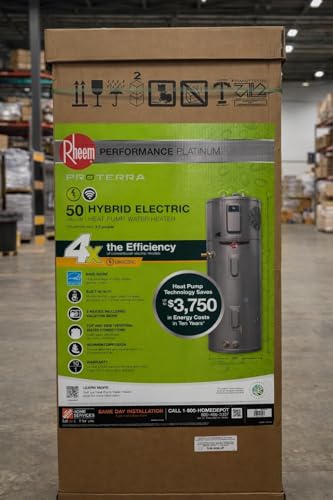
Rheem 50 Gal. Smart High Efficiency Hybrid Heat Pump Water Heater with 10-Year Warranty
It must be wired into your home’s electrical system and will typically require a dedicated electrical circuit (similar…
As an affiliate, we earn on qualifying purchases.
As an affiliate, we earn on qualifying purchases.
Factors Influencing Heat Pump Durability

The longevity of your heat pump depends on several key factors beyond regular maintenance. One major factor is corrosion resistance; a unit with better corrosion protection will withstand harsh weather and environmental elements longer. Proper corrosion resistance minimizes rust and component degradation, extending your system’s lifespan. Installation quality also plays a critical role. An expertly installed heat pump ensures correct placement, secure connections, and proper refrigerant levels, reducing strain on the system. Poor installation can lead to leaks, inefficient operation, and early failure. Additionally, choosing a model suited for your climate and ensuring it’s correctly sized for your space contributes to durability. Selecting a high-quality material for components further enhances resistance to environmental damage. Regular inspection and adherence to fire safety standards can prevent fire hazards and system damage. Implementing preventive maintenance practices can further prolong your unit’s operational life. Properly addressing environmental factors such as humidity and exposure to saltwater can also significantly extend your heat pump’s lifespan. Paying attention to AI-driven diagnostics and maintenance alerts can help identify issues early and avoid costly repairs. By prioritizing high corrosion resistance and professional installation, you markedly enhance your heat pump’s lifespan and reliability.

6699 Tankless Water Heater Flushing Kit Includes 1/6HP Submersible Sump Pump with Two Adapters & 3 Gallons Pail with Bucket Lid Opener & Two 1/2” Dia X 6’ PVC Hoses with Washers
【Tankless Heater Clean Kit】This cleaning kit comes with everything you need to maintain your water heating system. Helps…
As an affiliate, we earn on qualifying purchases.
As an affiliate, we earn on qualifying purchases.
Signs Your Heat Pump May Need Replacement
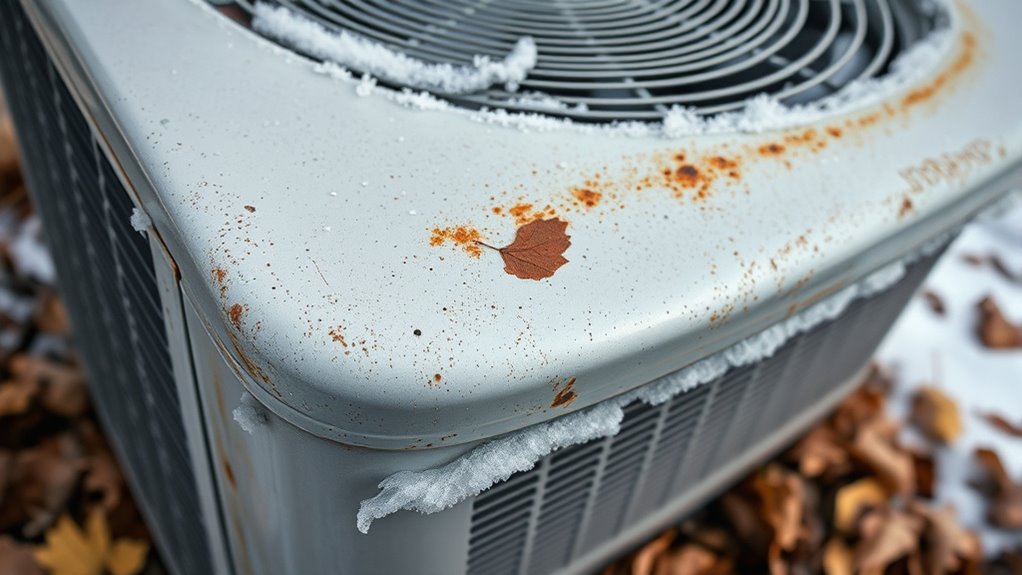
As your heat pump ages, certain signs can indicate it’s nearing the end of its useful life. You might notice a decline in energy efficiency, leading to higher utility bills despite no change in usage. If your system struggles to heat or cool your home evenly, it could be a sign it’s losing effectiveness. Unusual noises, such as banging or squealing, may also point to mechanical issues. Additionally, if your heat pump is located in an area prone to debris or moisture, it may wear out faster. Keep an eye on frequent repairs or if it turns on and off more often than usual. Recognizing these signs early can help you plan for replacement before major breakdowns occur. Proper maintenance and inspection can extend the lifespan of your heat pump and ensure optimal performance. Being aware of protective styling benefits can also help prevent unnecessary wear and tear. Regularly checking system components like filters and fans can further contribute to the longevity of your unit. Incorporating self-understanding through awareness of your system’s behavior may also aid in early detection of issues. Moreover, understanding the average lifespan of heat pumps can help set realistic expectations for replacement timing.

VEVOR Electric Pool Heat Pump, 22250 BTU, Pool Heaters for 3171-6605GAL Above and In Ground Pools, Low Noise, Heating and Cooling Highly Efficient & Energy-Saving Pool Water Heater AC120V 60Hz
Rapid Heating: With a heating capacity of 22,250 BTU, this swimming pool pump quickly raises the water temperature,…
As an affiliate, we earn on qualifying purchases.
As an affiliate, we earn on qualifying purchases.
Planning and Budgeting for Replacement Costs

Planning and budgeting for your heat pump’s replacement is essential to avoid financial surprises when the time comes. Start by reviewing your existing insurance coverage—some policies may include partial replacement costs or offer optional coverage for major appliances. Additionally, check your warranty options; extended warranties can help offset replacement expenses if your unit fails prematurely. Set aside a dedicated fund each year based on your unit’s age and estimated replacement cost. Consider factors like installation, taxes, and potential upgrades. Regularly update your budget as your heat pump ages or as costs change. Being proactive guarantees you’re financially prepared, reducing stress when replacement becomes necessary. Proper planning guarantees you won’t be caught off guard and allows for a smoother transition to a new, efficient system. Understanding the lifespan of your heat pump can help you anticipate when replacement might be needed and plan accordingly. Developing an understanding of creative practice can also foster innovative solutions for energy efficiency and home upgrades in your planning process. Additionally, staying informed about advances in HVAC technology can provide opportunities for upgrading to more energy-efficient models in the future. Keeping track of maintenance schedules can extend your current unit’s lifespan and delay the need for replacement.
Tips to Extend the Life of Your Heat Pump

Regular maintenance is key to extending the lifespan of your heat pump. Proper upkeep ensures peak performance and improves energy efficiency. To help you get the most from your system, consider these maintenance tips:
Regular maintenance extends your heat pump’s lifespan and ensures optimal efficiency.
- Schedule annual professional inspections to identify issues early and keep components clean.
- Regularly replace or clean air filters to maintain airflow and improve energy efficiency.
- Keep the outdoor unit clear of debris, such as leaves and dirt, to prevent strain and ensure efficient operation.
- Monitoring for signs of component wear, such as unusual noises or decreased heating performance, can help address problems early before costly repairs.
Following these tips helps your heat pump run smoothly longer, reducing repair costs and energy bills. Consistent maintenance not only prolongs its lifespan but also guarantees you get the maximum efficiency and comfort from your investment.
Frequently Asked Questions
How Does Regional Climate Affect Heat Pump Longevity?
Climate substantially influences your heat pump’s longevity by affecting its regional durability. Colder regions require your system to work harder, which can lead to faster wear and tear. Conversely, milder climates demand less from your unit, extending its lifespan. To guarantee climate adaptation, choose a heat pump suited for your area’s temperature ranges. Proper maintenance tailored to regional conditions helps maximize durability, saving you money on early replacements and repairs.
Are There Warranty Options That Cover Replacement Costs?
Did you know that over 60% of homeowners find warranty options helpful? When considering replacement costs, an extended warranty or insurance coverage can save you thousands. These plans often cover parts and repairs beyond the standard manufacturer’s warranty, giving you peace of mind. Always review the coverage details, and choose options that fit your needs, so you’re protected financially if your heat pump needs unexpected repairs or replacement.
What Are the Environmental Impacts of Replacing Versus Repairing?
When deciding whether to replace or repair your heat pump, consider the environmental impacts. Replacement may lead to increased recycling options for older units, reducing waste, but it also involves higher energy consumption during manufacturing. Repairing extends your current unit’s life, conserving resources and energy, but might prolong inefficiency. Your choice impacts overall environmental health, so weigh the benefits of recycling and energy savings against the costs of new technology.
Can Regular Maintenance Significantly Extend Heat Pump Lifespan?
Think of your heat pump as a car—you gotta keep up with regular maintenance. A solid maintenance schedule helps you spot issues early, boosting component durability. Yes, regular upkeep can markedly extend your heat pump’s lifespan, saving you money and hassle down the road. Staying proactive means fewer breakdowns and a more efficient system, proving that sometimes, a little preventive care is worth its weight in gold.
How Do Technological Advancements Influence Future Replacement Planning?
Technological advancements, like smart thermostat integration and energy efficiency improvements, greatly influence your future replacement planning. These innovations can extend your heat pump’s lifespan by optimizing performance and reducing wear. As smart systems become more advanced, you’ll likely experience better control and efficiency, delaying the need for replacement. However, staying updated on these technologies helps you plan better, ensuring you invest in systems that maximize longevity and save you money long-term.
Conclusion
Knowing your heat pump’s lifespan and replacement costs is like having a crystal ball for your home’s comfort. By understanding the signs and taking steps to extend its life, you’re not just saving money—you’re protecting your investment. So, don’t wait for a breakdown to act. Think of your heat pump as a trusted partner in your home’s warmth; with proper care, it’ll serve you well through many seasons. Stay vigilant, and your comfort will never falter.