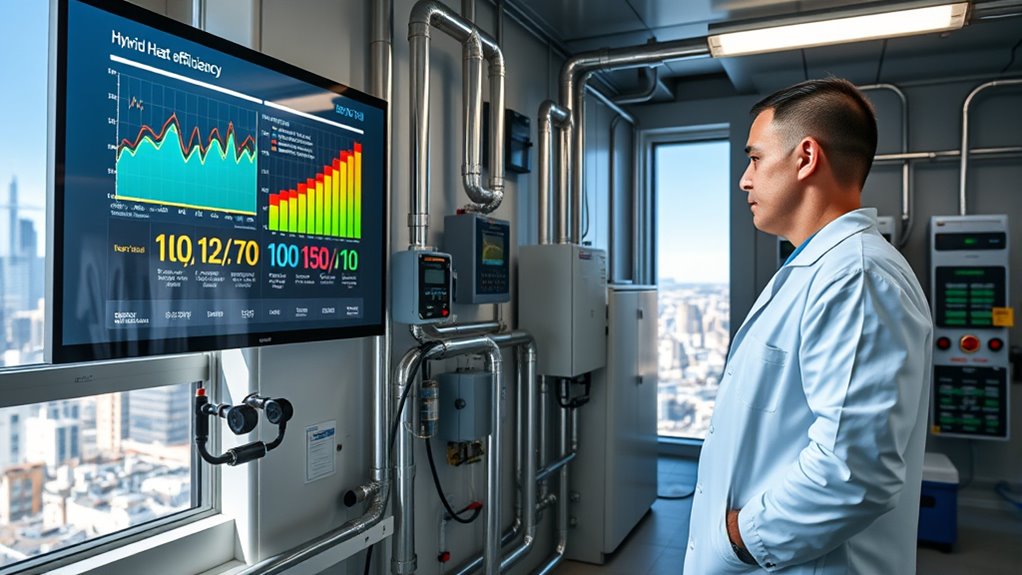

A hybrid heat pump system can save you money by switching efficiently between an electric heat pump and a furnace, depending on outdoor temperatures. Although installation costs are higher upfront, these systems often lead to lower energy bills and fewer maintenance needs over time. Financial incentives and rebates can further improve your return on investment. If you want to understand how these systems can impact your wallet and home comfort, there’s more to explore.
Key Takeaways
- Hybrid systems optimize energy use by switching between heat pump and furnace, reducing long-term energy costs.
- Higher initial installation costs can be offset by energy savings and available rebates or tax incentives.
- Long-term savings include lower maintenance costs and increased system lifespan compared to traditional units.
- Proper installation and multiple contractor quotes maximize economic benefits and system efficiency.
- Overall cost-effectiveness depends on total ownership costs, energy savings, and potential home value increases.
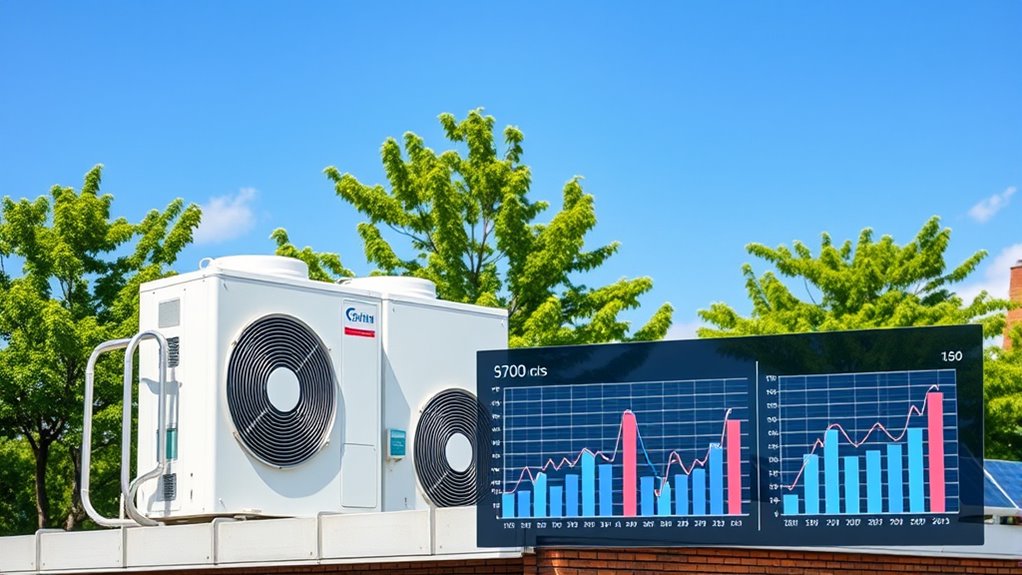
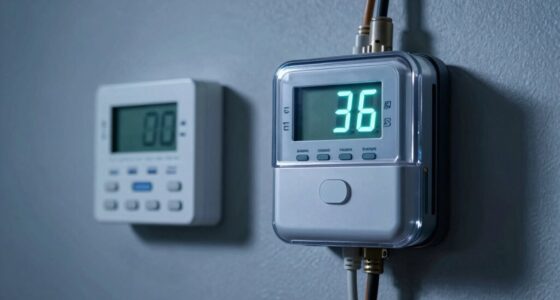
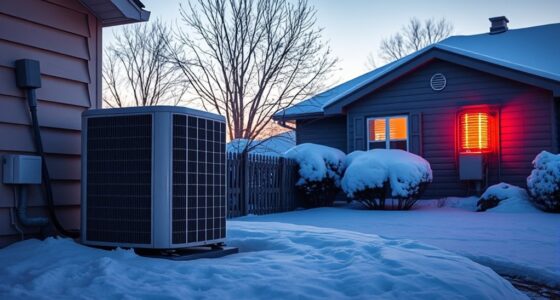
Hybrid heat pump systems are gaining popularity due to their potential to optimize energy efficiency and reduce operating costs. If you’re considering upgrading your heating and cooling setup, understanding the economic implications can help you make an informed decision. One of the most appealing aspects of hybrid systems is their ability to deliver significant cost savings over traditional heating and cooling options. By intelligently switching between a heat pump and a backup furnace, these systems maximize efficiency based on outdoor temperatures, leading to lower energy bills. During milder weather, the heat pump handles the load, consuming less electricity compared to conventional systems. When temperatures drop, the system switches to the furnace, guaranteeing consistent comfort without sacrificing efficiency. This adaptability allows you to save money over time, especially as energy prices fluctuate. Additionally, selecting a system with continuous learning capabilities can further enhance efficiency by adapting to your usage patterns and local climate conditions.
However, it’s important to contemplate the initial investment. Installation costs for hybrid heat pump systems tend to be higher than those for standard heating and cooling units. The complexity of integrating a dual-system setup, including the need for specialized components and possibly upgrading existing ductwork, can drive up upfront expenses. Yet, these higher installation costs can be offset by the long-term savings on energy bills. Many manufacturers and installers offer incentives or rebates to help reduce the initial financial burden, making the investment more attractive. Plus, the improved energy efficiency can qualify you for tax credits in some regions, further improving the return on your investment.
When evaluating installation costs, you should look beyond the price tag. Think about the potential for energy savings over the lifespan of the system. Hybrid heat pump systems typically have a longer lifespan and lower maintenance costs compared to traditional systems, which adds to their economic appeal. Additionally, the quieter operation and increased comfort levels can lead to indirect savings through enhanced home value and quality of life. To maximize your cost savings, it’s wise to get multiple quotes from reputable contractors who can assess your home’s specific needs and provide a detailed estimate. Proper installation is essential to guarantee you realize the full benefits of the system’s efficiency and longevity.

ALORAIR Whole House Dehumidifier, 90 PPD Commercial Grade Whole Home Dehumidifiers for Garages, Water Damage Restoration, 2300 Sq.Ft dehumidifiers for Crawl Space
Energy Efficient Whole House Dehumidifier: 90 pints per day at AHAM condition, 70 Pint at DOE, up to...
As an affiliate, we earn on qualifying purchases.
Frequently Asked Questions
How Do Hybrid Heat Pump Systems Compare to Traditional Heating Methods?
You find hybrid heat pump systems more cost-effective than traditional heating methods because they optimize energy use by integrating renewable sources. With a thorough cost benefit analysis, you realize they reduce energy bills and emissions. These systems automatically switch between heat pumps and conventional heaters, maximizing efficiency. Overall, hybrid systems offer a smarter, greener choice that saves you money and helps you meet renewable integration goals more easily.
What Are the Long-Term Maintenance Costs for Hybrid Systems?
You’ll find that long-term maintenance costs for hybrid systems are generally moderate. As components wear over time, you might see some efficiency degradation, which could lead to occasional repairs or replacements. Regular maintenance helps keep these costs manageable. While hybrid systems tend to have higher upfront costs, their durability and efficiency improvements often offset long-term expenses, making them a cost-effective choice in the long run.
Are There Specific Climates Where Hybrid Heat Pumps Are Most Effective?
Oh, sure, just move to the Arctic if you want your hybrid heat pump to be ineffective! In reality, these systems excel in moderate climates where climate suitability boosts regional efficiency. They work great in areas with mild winters and warm summers, optimizing energy use. If you live in extreme cold or heat, you might need more traditional options, but for most, hybrid heat pumps are a climate-friendly, efficient choice.
How Do Government Incentives Impact the Economic Viability of Hybrid Systems?
Government incentives like subsidies and market incentives substantially boost the economic viability of hybrid heat pump systems. When you take advantage of government subsidies, your initial installation costs decrease, making the system more affordable. Market incentives encourage manufacturers and consumers to adopt these eco-friendly systems, further lowering costs over time. As a result, you benefit from faster payback periods and long-term savings, making hybrid systems a smarter, cost-effective choice for your heating needs.
What Are the Common Challenges in Integrating Hybrid Heat Pumps Into Existing Infrastructure?
Integrating hybrid heat pumps is like fitting a new puzzle piece; you face retrofit challenges and system compatibility issues. You might find existing infrastructure isn’t designed for modern technology, making installation complex. Balancing old and new systems requires careful planning to avoid conflicts and guarantee seamless operation. Addressing these challenges upfront helps you optimize performance and maximize the benefits of hybrid heat pump systems in your space.

CADPXS Crawl Space Dehumidifier with Pump and Drain Hose, 80 Pint Crawlspace Dehumidifier for Commercial, Basement, Water Damage Use, Auto Defrost, Memory Start, cETL Certified, Up to 1000 Sq Ft
80 PINTS COMMERCIAL DEHUMIDIFIER: Control excess moisture efficiently with the CADPXS 80-pint crawl space dehumidifier with pump. Designed...
As an affiliate, we earn on qualifying purchases.
Conclusion
By choosing hybrid heat pump systems, you balance upfront costs with long-term savings, turning initial investment into future gains. While traditional systems may seem cheaper today, their higher energy bills over time can outweigh the savings. Conversely, hybrid systems offer the efficiency of modern technology paired with flexibility, making them a smart choice. In the end, it’s a trade-off—invest now for comfort and savings later, proving that smart choices today shape a more economical tomorrow.

COAIRO Whole House Dehumidifier 208 Pint, Crawl Space Dehumidifier with Controller Fresh Air Function and Drain Hose Up to 3000 sq. ft. for Grow Tent, Whole House, Commercial, Basement, Water Damage
208-Pint Upgrade Whole House Dehumidifier: The CoAiro whole house dehumidifier can efficiently remove up to 208 pints at...
As an affiliate, we earn on qualifying purchases.

COAIRO Whole House Dehumidifier 90 Pint with Fresh Air Function, Crawl Space Dehumidifier with Drain Hose Up to 2300 sq. ft. for Grow Tent, Whole House, Commercial, Basement, Water Damage
90-Pint Upgrade Whole House Dehumidifier: The CoAiro whole house dehumidifier can efficiently remove up to 90 pints at...
As an affiliate, we earn on qualifying purchases.