
Ductless mini-split systems help you save money by providing targeted heating and cooling, which reduces energy waste. You can avoid heating empty rooms and set different temperatures in each space, lowering utility bills. Their easy installation means less disruption and upfront costs, especially when replacing older systems. Plus, their scalability allows you to add zones over time as your needs change. Keep exploring to discover even more ways they boost your savings.
Key Takeaways
- Targeted heating and cooling reduces energy waste and lowers utility bills.
- Independent zone control prevents overworking the system, saving energy.
- Easy installation minimizes renovation costs and disruption.
- Scalability allows gradual system expansion, avoiding large upfront expenses.
- Energy-efficient operation and precise climate control lead to long-term savings.
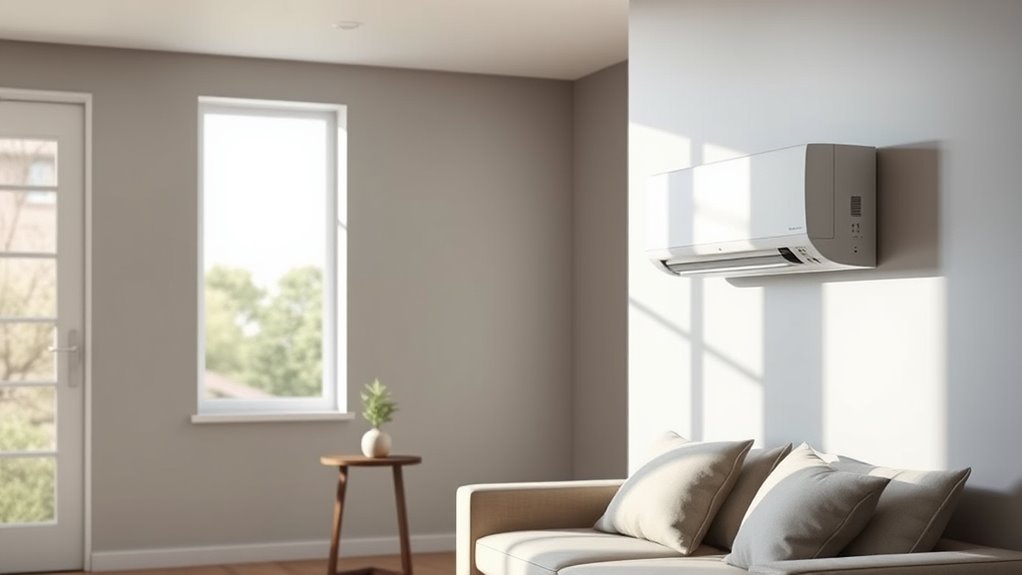
Ductless mini-split systems offer an efficient way to reduce your energy costs while maintaining peak comfort. Unlike traditional HVAC systems, these units are designed to deliver targeted heating and cooling directly to specific zones within your home. This precision helps you avoid wasting energy on unoccupied spaces, ultimately lowering your monthly utility bills. Because they operate independently, you can set different temperatures in different rooms, ensuring that each area gets the right amount of climate control without overworking the system. This level of energy efficiency means you’ll see noticeable savings over time, especially if you’re replacing an older, less efficient setup.
One of the biggest advantages of ductless mini-split systems is their installation flexibility. You won’t need to tear into walls or modify existing ductwork, which can be costly and disruptive. Instead, these systems require only a small hole for the conduit that connects the indoor and outdoor units. This makes them suitable for a variety of building types, including historic homes, additions, or spaces where ductwork isn’t feasible. Whether you’re installing a unit in a single room or multiple zones, the process is straightforward and less invasive than traditional HVAC installation. Plus, because they are compact and lightweight, they can be mounted on walls, ceilings, or even in tight spaces, giving you more options for placement and aesthetics.
The installation flexibility of ductless mini-split systems also offers practical benefits. You can add units gradually, expanding your system as your needs change without major renovations. This scalability means you won’t have to invest in a large, centralized system upfront; instead, you can start with a few zones and grow over time. Additionally, their quiet operation and sleek design blend seamlessly into home interiors, avoiding the bulky appearance of traditional HVAC units. With less invasive installation and the ability to customize zones, you get a tailored climate control solution that maximizes comfort while minimizing energy waste. Recognizing narcissistic traits in your home environment can also help in understanding the dynamics of your household’s comfort and interactions.
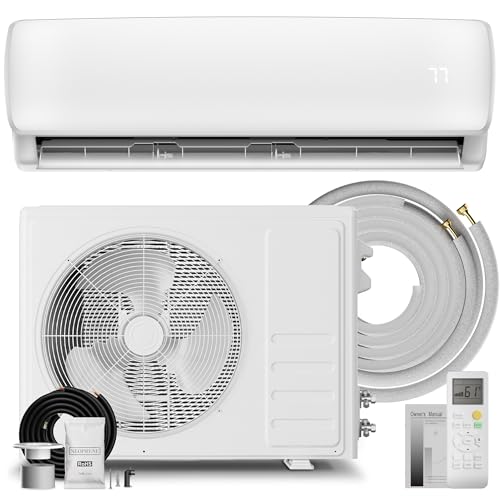
MEPTY 9000BTU Mini Split AC/Heating System, 19 SEER2 Energy Efficient Mini Split Air Conditioner with Heat Pump, 110V Cools Up to 450sq.ft, Ductless Inverter AC Unit with Pre-Charged Condenser
⭐Advanced Energy Saving: Advanced inverter technology with leading 19 SEER2 rating delivers superior performance through ensuring that the...
As an affiliate, we earn on qualifying purchases.
Frequently Asked Questions
How Long Do Ductless Mini-Split Systems Typically Last?
Ductless mini-split systems typically last around 10 to 15 years with proper maintenance. You can extend their lifetime expectancy by regularly cleaning filters and scheduling professional maintenance every year or two. Keep an eye on performance issues, and address them promptly. With proper care, you maximize their efficiency and lifespan, making them a reliable and cost-effective choice for your heating and cooling needs.
Are There Any Tax Incentives for Installing Ductless Systems?
You might be surprised to find out that installing ductless mini-split systems can actually earn you tax credits through various incentive programs. Yes, Uncle Sam wants to reward your eco-friendly upgrade! These incentives help offset costs, making energy-efficient improvements more appealing. Keep an eye on federal and local programs, because taking advantage of tax credits not only saves you money but also supports greener living.
Can Ductless Systems Be Installed in Historic or Listed Buildings?
Yes, you can install ductless systems in historic or listed buildings, but you must consider historic preservation guidelines and building regulations. These systems are often favored because they don’t require major alterations, conserving the building’s integrity. You’ll need to work with local authorities to ensure your installation complies with preservation standards, and sometimes special approvals are required. Proper planning ensures your system offers efficiency without compromising the building’s historic value.
What Maintenance Is Required to Keep the System Efficient?
To keep your ductless mini-split system efficient, you should regularly replace filters to guarantee proper airflow and indoor air quality. Additionally, schedule system inspections annually to check for refrigerant leaks, electrical issues, and overall performance. Cleaning the outdoor unit and keeping the area clear also help maintain efficiency. Consistent maintenance prevents costly repairs and keeps your system running smoothly, saving you money in the long run.
How Do Ductless Systems Compare to Traditional HVAC in Cold Climates?
In cold climates, ductless systems often offer better energy efficiency than traditional HVAC units, especially with newer models designed for low temperatures. You might face installation challenges, like ensuring proper placement for ideal heating, but overall, ductless systems can keep your space warm efficiently. They’re a good choice if you want reliable heating without the energy loss common in ducted systems, even in chilly environments.
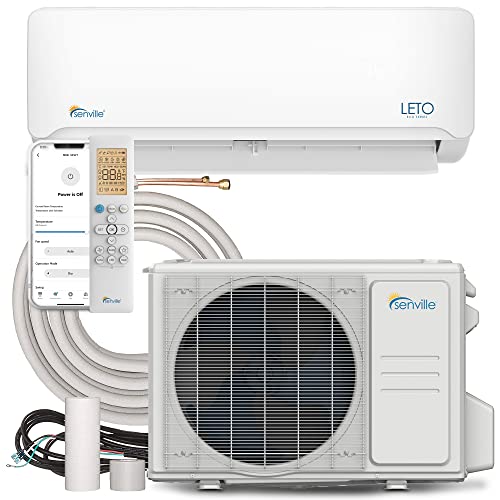
Senville LETO Series Mini Split Air Conditioner Heat Pump, 12000 BTU 110/120V, Inverter, Works with Alexa, SEER2 20.8, 1 Ton, White
Alexa Enabled Mini Split AC/Heating System: Integrate with voice control or app, allowing you to adjust your mini...
As an affiliate, we earn on qualifying purchases.
Conclusion
Switching to ductless mini-split systems can save you up to 30% on energy costs each year. With their targeted cooling and heating, you avoid wasting energy on unoccupied spaces. Plus, their easy installation means fewer upfront expenses and less disruption. If you’re looking to cut costs and improve comfort, a ductless system is a smart choice. Don’t wait—upgrade today and enjoy the long-term savings and efficiency it offers!

DELLA Motto Series Mini Split AC, 208-230V 17.5 SEER2 Cools up to 550 Sq.Ft, 12000 BTU Air Conditioner & Heater with 1 Ton Pre-Charged Heat Pump, Works with Alexa and WiFi
QUIET OPERATION & INSTALLATION: This system mandates professional installation as it's not a DIY mini split AC. This...
As an affiliate, we earn on qualifying purchases.

Manastin 12000BTU Mini Split Air Conditioner& Heater, 17 SEER2 115V Mini Spilt AC with Inverter Compressor, Covers Up to 750 Sq. Ft, Complete Installation Kit Included
【𝑭𝒂𝒔𝒕 𝑪𝒐𝒐𝒍𝒊𝒏𝒈 𝒂𝒏𝒅 𝑯𝒆𝒂𝒕𝒊𝒏𝒈 𝑷𝒆𝒓𝒇𝒐𝒓𝒎𝒂𝒏𝒄𝒆】Powered by a high-efficiency rotary compressor, this mini split air conditioner delivers rapid cooling...
As an affiliate, we earn on qualifying purchases.