
Reusing old refrigerant lines might save you money upfront, but hidden costs can add up quickly. Corrosion and contamination can cause leaks, system inefficiency, and costly repairs later on. Without proper inspection and cleaning, you risk system failure and increased energy bills. These long-term expenses often outweigh initial savings, making reuse a false economy. To avoid unexpected problems, it’s important to understand the real costs involved—keep exploring to learn more.
Key Takeaways
- Reusing refrigerant lines can lead to hidden costs from corrosion and contamination, causing system failures over time.
- Rust and corrosion in old lines may cause leaks, reducing efficiency and increasing repair expenses.
- Contaminants introduced from old lines can damage system components and compromise performance.
- Proper inspection and cleaning are necessary but may not fully eliminate risks of hidden damage.
- Long-term costs often outweigh initial savings due to increased maintenance and potential system replacements.
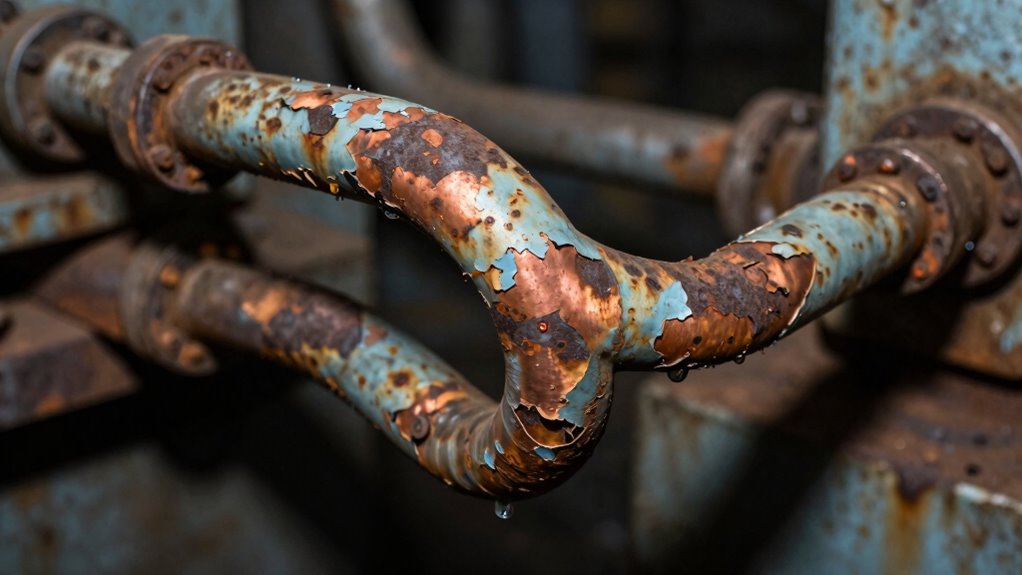
Reusing old refrigerant lines might seem like a cost-saving shortcut, but it often hides more expenses than you realize. While it may save you money upfront, the hidden costs can quickly add up once problems with corrosion risks and contamination issues surface. Over time, refrigerant lines that have been in service may develop rust or corrosion, especially if they weren’t properly maintained or if they’ve been exposed to moisture. When you reuse these lines, you’re risking introducing corrosion into your new system, which can lead to leaks, reduced efficiency, and costly repairs down the line.
Corrosion isn’t always visible on the surface, so you might not notice it until it causes a failure. Once corrosion starts, it can compromise the integrity of the line, causing tiny cracks or holes that allow refrigerant to escape. These leaks not only reduce system performance but also increase your energy costs because the system has to work harder to maintain the desired temperature. Additionally, if corrosion particles break loose, they can clog filters or other components, further impairing system operation and leading to contamination issues that are often difficult and expensive to resolve. Proper inspection and cleaning of reused lines can help mitigate some of these risks, but it’s not a guarantee against future problems. Regular testing with reliable measurement tools can help detect early signs of corrosion or contamination, helping prevent costly repairs later. Incorporating effective filtration can also reduce the likelihood of debris entering the system and causing damage.
Furthermore, using old lines without proper inspection and cleaning can lead to contamination risks, which pose serious challenges to system longevity and safety. Performing comprehensive system assessments before reuse can help identify potential issues early, saving you from more significant expenses down the road.
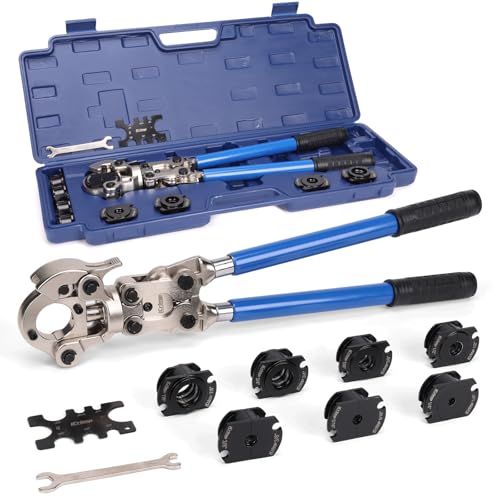
iCrimp Copper Tube Press Tool 1/4"-7/8" for HVAC/R Refrigerant Lines, O-Ring Sealed Solderless Fitting Connection
Secure crimping in seconds; Automatic locking of pressing tongs
As an affiliate, we earn on qualifying purchases.
As an affiliate, we earn on qualifying purchases.
Frequently Asked Questions
How Can I Identify if My Refrigerant Lines Are Reused?
You can identify if your refrigerant lines are reused by inspecting for signs of material degradation, like cracks, corrosion, or worn spots. Look for rust or discoloration, which indicate corrosion risks. Check connections and fittings for tightness and leaks. If lines are older and show visible wear, it’s likely they’ve been reused. Regular inspections help prevent future issues caused by compromised lines, ensuring your system stays efficient and safe.
Are There Specific Signs Indicating Old Refrigerant Lines Are Failing?
Your refrigerant lines might be failing if you notice corrosion buildup or insulation degradation—these signs are like warning flags waving vigorously. Excessive rust or corrosion can cause leaks, while worn-out insulation reduces efficiency and signals aging. Keep an eye out for refrigerant leaks, ice formation, or inconsistent cooling, as these are strong indicators that your old refrigerant lines are reaching their breaking point and need urgent replacement.
What Are the Legal Implications of Reusing Refrigerant Lines?
Reusing refrigerant lines can lead to legal issues if you don’t adhere to safety regulations and maintain legal compliance. You might face fines or penalties if local or federal laws require proper disposal or replacement of old lines. Always check regulations before reusing or installing refrigerant lines, making sure they’re free of leaks and damage. Staying compliant helps prevent legal trouble and ensures safety for everyone involved.
How Does Reusing Lines Affect Refrigerant Efficiency?
Reusing old refrigerant lines can reduce efficiency because material degradation weakens the lines, leading to potential leaks. Over time, seal integrity diminishes, making it harder to maintain proper pressure and preventing ideal refrigerant flow. This can cause your system to work harder, consuming more energy and decreasing overall cooling performance. To guarantee efficiency, inspect lines thoroughly and consider replacing them if there’s any sign of wear or compromised seal integrity.
Can Reusing Refrigerant Lines Cause Environmental Harm?
Reusing refrigerant lines can harm the environment if not done carefully, as leaks might release refrigerants that damage the ozone layer and contribute to global warming. Ignoring recycling regulations can lead to improper disposal and environmental harm. You don’t want to bite off more than you can chew, so guarantee proper handling and compliance to minimize environmental impact. Proper maintenance and adherence to regulations protect both your system and the planet.
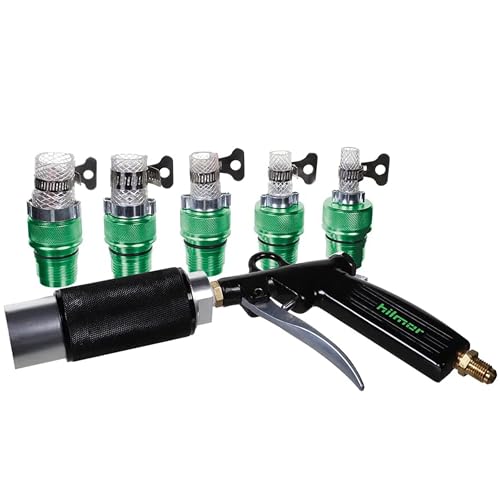
hilmor HLC007 HVAC Lineset Cleaner – Pressurized Foam Puck System to Remove Contaminants & Residue – Refrigerant Line Set Cleaning Kit – A2L Compatible
Picture Perfect Cleaning: Simply connect the correct nozzle, chamber the corresponding pig size, connect to a regulated compressed…
As an affiliate, we earn on qualifying purchases.
As an affiliate, we earn on qualifying purchases.
Conclusion
Reusing old refrigerant lines might seem like a shortcut, but it’s like trying to patch a leaking boat with duct tape—you’re risking a silent storm beneath the surface. Hidden costs, like inefficiency and costly repairs, lurk in the shadows. Don’t let your hard-earned money sink into a sinking ship. Instead, choose a clear course—invest in fresh, reliable lines that stand strong against time’s relentless tide, securing your comfort and peace of mind.

Elitech Refrigerant Leak Detector, CLD-100 Freon Leak Detector Car HVAC Halogen Refrigerant Leak Detector CFCs HCFCs HFCs
Upgraded version of WJL-6000. Traditional corona sensor with updated analogue circuit, fast triggers on R11, R22, R134A, R404a,…
As an affiliate, we earn on qualifying purchases.
As an affiliate, we earn on qualifying purchases.

OEM 16913 Refrigerant Identifier Replacement Filter – Compatible Replacement for Robinair 16913 filter,Fits R-1234yf AC Machines, 16900/16910 CoolTech ID (Plus)
GENUINE 16913 Replacement Filter: Ensure optimal performance with this brand-new, authentic 16913 Refrigerant Identifier Replacement Filter. If the…
As an affiliate, we earn on qualifying purchases.
As an affiliate, we earn on qualifying purchases.