Poor airflow can secretly drive up your energy bills by making your HVAC system work harder than it needs to. When air isn’t circulating properly, your heating and cooling units run longer and more often, wasting energy and increasing costs. Sealing leaks, improving ventilation, and upgrading airflow systems can reduce this hidden expense. If you want to discover how these issues impact your wallet and find simple ways to fix them, keep exploring.
Key Takeaways
- Poor airflow causes HVAC systems to work harder, increasing energy consumption and utility bills.
- Inadequate ventilation leads to uneven indoor temperatures, forcing heating or cooling to run longer.
- Sealing leaks and adding vents improve airflow, reducing the strain on energy-intensive HVAC units.
- Upgrading to energy-efficient ventilation systems like ERV or HRV minimizes energy waste and costs.
- Proper insulation and airtightness optimize airflow, lowering energy needs and enhancing indoor comfort.
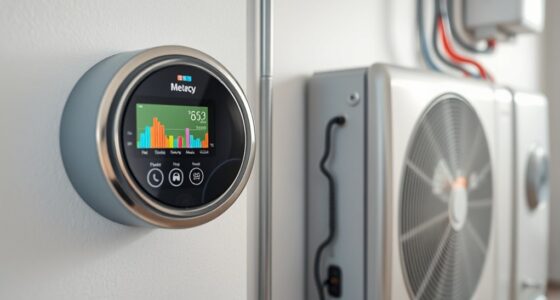
Poor airflow in your home or office often goes unnoticed, but it can silently drive up your electricity bills. When air isn’t circulating properly, your heating and cooling systems have to work harder to maintain a comfortable environment. This extra effort not only wastes energy but also increases your electricity consumption, leading to higher bills. One of the most effective ways to combat this issue is by focusing on enhancing energy efficiency through ventilation improvement. Proper ventilation ensures fresh air enters your space while stale air exits, reducing the strain on your HVAC system.
Poor airflow silently raises energy bills by overworking your heating and cooling systems. Improve ventilation to save energy.
If your space feels stuffy or you notice uneven temperatures, it’s a sign that airflow isn’t *ideal*. You might be tempted to crank up your air conditioner or heater, but that only adds to your energy costs. Instead, look at ways to improve how air moves within your home or office. Simple changes like opening windows, installing exhaust fans, or adding air vents can make a significant difference. These adjustments help balance indoor air pressure and promote continuous airflow, which in turn reduces the workload on your climate control systems. When your HVAC runs more efficiently, it uses less electricity, saving you money in the long run.
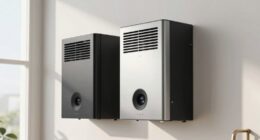
Additionally, upgrading your ventilation system can boost energy efficiency even further. Consider installing a mechanical ventilation system that actively manages airflow, such as an energy recovery ventilator (ERV) or a heat recovery ventilator (HRV). These systems exchange stale indoor air with fresh outdoor air while recovering energy from the outgoing air to condition the incoming air. This process reduces the energy needed to heat or cool the fresh air, making your entire ventilation setup more *cost-effective*. As a result, your heating and cooling equipment won’t have to work overtime, cutting down on electricity use and costs. Proper ventilation systems can significantly enhance indoor air quality and energy efficiency. Furthermore, understanding the importance of Gold IRA markets and investment options can help you secure your financial future while making energy-efficient choices at home.
You should also be mindful of your home’s insulation and airtightness. Poorly insulated or overly sealed spaces can trap air, making it harder for ventilation improvements to do their job effectively. Regularly checking and sealing leaks around windows and doors can help maintain proper airflow and prevent energy loss. Proper airflow management is essential because it directly impacts how efficiently your HVAC system operates and how much energy it consumes. Improving indoor air quality by addressing these factors can further enhance the efficiency of your ventilation system. Combining good insulation with improved ventilation ensures your space remains comfortable without wasting energy.
In the end, focusing on ventilation improvement is a smart move for boosting energy efficiency and reducing hidden electricity costs caused by poor airflow. When you *maximize* how air moves through your space, you make your heating and cooling systems more effective, which means less energy is needed to keep your environment comfortable. It’s a simple but powerful way to save money and create a healthier, more efficient living or working space.
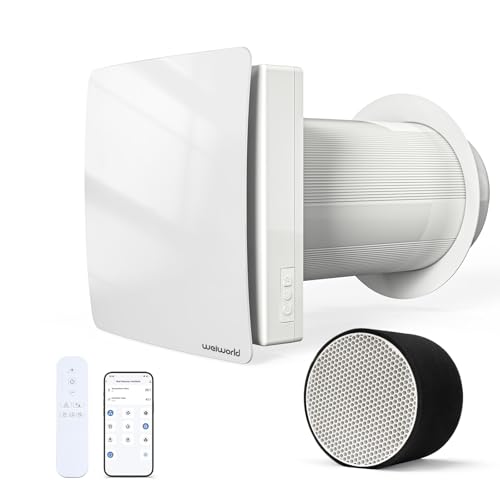
Weiworld Heat Recovery Ventilator with Ceramic Heat Exchanger, Wall-Mounted Fresh Air System with WiFi/Remote Control for Home, Attic, Garage – Supply, Exhaust & Recirculation Ventilation Fan
Heat Recovery Ventilator (HRV) for single room ventilation: Equipped with a high-efficiency ceramic heat exchanger that recovers up…
As an affiliate, we earn on qualifying purchases.
As an affiliate, we earn on qualifying purchases.
Frequently Asked Questions
How Does Airflow Affect Overall Home Energy Efficiency?
Poor airflow directly impacts your home’s energy efficiency by making heating and cooling systems work harder. When airflow is restricted, air quality suffers, and indoor comfort declines. You might notice uneven temperatures or stale air, prompting increased energy use. Improving airflow ensures better circulation, enhances air quality, and maintains consistent indoor comfort, which reduces energy waste and lowers your utility bills. Proper ventilation and duct maintenance are key to guaranteed airflow.
Can Poor Airflow Damage HVAC System Components?
Yes, poor airflow can damage HVAC system components. Airflow obstruction causes the system to work harder, leading to increased wear on parts like the blower motor and compressor. Duct sealing helps prevent leaks that contribute to airflow issues, reducing strain on your system. Ignoring airflow problems may result in overheating, short cycling, or even premature failure of essential components, ultimately increasing repair costs and decreasing system lifespan.
What Signs Indicate Airflow Problems in a Building?
You might notice airflow problems if rooms feel scorching or freezing, as if the climate’s gone haywire. Airflow blockages and ventilation imbalance cause uneven heating or cooling, making some areas uncomfortably hot or cold. You may also hear strange noises from vents, see dust buildup, or notice persistent odors. These signs point to airflow issues that could be hampering your system’s efficiency and comfort, urging you to check for blockages or leaks.
How Often Should Ventilation Systems Be Inspected for Airflow Issues?
You should inspect your ventilation systems at least once a year to guarantee proper airflow measurement and compliance with ventilation standards. Regular inspections help identify issues early, such as blockages or leaks, that could lead to higher energy costs. During these checks, verify that filters are clean and fans operate efficiently. Staying proactive prevents hidden electricity costs caused by poor airflow and maintains a healthy indoor environment.
Are There Cost-Effective Solutions to Improve Airflow and Reduce Electricity Use?
Killing two birds with one stone, airflow optimization isn’t just about better ventilation—it boosts energy savings too. To get started, clean or replace filters regularly, seal leaks, and install adjustable vents. These cost-effective solutions improve airflow efficiently without breaking the bank. Maintaining proper airflow reduces strain on your HVAC system, cutting electricity use and saving you money in the long run. Small changes make a big difference!

VENTS-US Frigate HRV 120s Heat Recovery Ventilator – Whole House Ventilation Fan with Up to 118 CFM and Freeze Protection
HVI Certified Whole-House Air Exchange: A complete system that ensures continuous, balanced fresh air supply and stale air…
As an affiliate, we earn on qualifying purchases.
As an affiliate, we earn on qualifying purchases.
Conclusion
Think of your home’s airflow as the veins of a living organism—when they’re blocked or sluggish, everything struggles to function smoothly. Poor airflow isn’t just about discomfort; it silently drains your electricity like a leaky faucet, adding up over time. By improving ventilation and keeping air moving freely, you can stop energy from escaping and save money. Don’t let hidden blockages turn your home into a silent energy thief—clear the path and breathe easier, inside and out.

Kerykwan Portable Air Conditioner Window Vent Kit with 5.9” Exhaust Hose Adjustable Portable AC Window Kit for Ducting Universal Portable AC Seal Panel for Horizontal&Vertical Window
【WIDE COMPATIBILITY】Our air conditioner window kit is suitable for all air conditioner with diameter of 5.9”.The AC vent…
As an affiliate, we earn on qualifying purchases.
As an affiliate, we earn on qualifying purchases.

Gorilla Waterproof Patch & Seal Tape, Black Tape, 4" x 10' (Pack of 1) – Permanent Weather Resistant Seal for Leaks and Repairs
Permanent seal: This Gorilla tape creates a permanent bond that instantly seals out air, water, and moisture
As an affiliate, we earn on qualifying purchases.
As an affiliate, we earn on qualifying purchases.