You can qualify for tax credits by upgrading your home with solar panels, smart thermostats, energy-efficient windows, doors, insulation, and HVAC systems. These improvements help reduce energy bills and support sustainability. Many upgrades come with federal and state incentives, covering part of your costs. Proper documentation and professional installation are essential to maximize benefits. To learn more about specific requirements and how you can save, keep exploring your options and eligibility details.
Key Takeaways
- Solar panel installations qualify for federal tax credits, reducing installation costs and promoting renewable energy use.
- Smart thermostats are eligible for tax credits, offering energy efficiency and remote control benefits.
- Energy-efficient windows, doors, insulation, and HVAC systems may qualify for incentives and tax credits.
- Proper documentation of purchases and installations is essential to claim energy efficiency tax benefits.
- Upgrading to energy-efficient home systems supports environmental goals while providing financial savings through tax incentives.
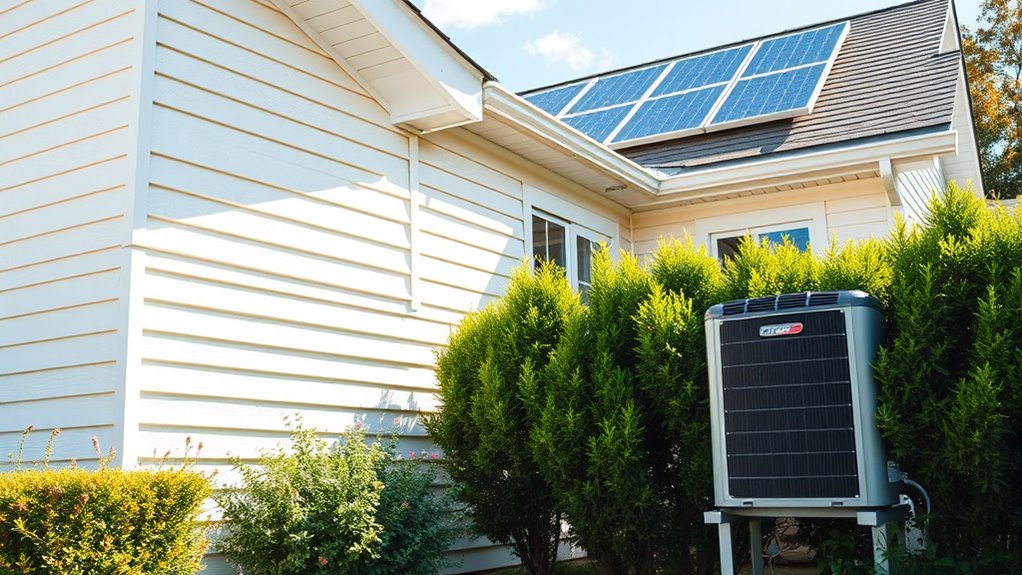
Energy efficiency tax credits offer a valuable way for you to reduce your costs while making your home more sustainable. One of the most popular upgrades you can consider is installing solar panels. Not only do they harness the sun’s power to generate clean energy, but they can also notably lower your electricity bills. The federal government often provides tax incentives that cover a portion of the installation costs, making this investment more affordable. When you install solar panels, you contribute to reducing greenhouse gas emissions and dependence on fossil fuels, all while enjoying potential savings on your annual taxes. Keep in mind that there are specific requirements, such as the system’s size and installation date, to qualify for these credits, so it’s wise to consult a professional to ensure you meet all criteria.
Energy efficiency tax credits help reduce costs while making your home more sustainable, especially with solar panels and smart thermostats.
Another smart upgrade that offers substantial tax benefits is installing a smart thermostat. These devices allow you to control your home’s heating and cooling remotely and set schedules that match your lifestyle, leading to more efficient energy use. Because smart thermostats optimize your HVAC system’s operation, you can expect to see a noticeable decrease in your energy bills over time. The good news is that the tax credits often cover a percentage of the purchase and installation costs for smart thermostats, encouraging homeowners to adopt more energy-efficient technology. These devices are easy to install, and many models are compatible with voice control and home automation systems, making them a practical upgrade for modern households.
In addition to solar panels and smart thermostats, there are other upgrades eligible for tax credits, such as energy-efficient windows, doors, insulation, and HVAC systems. These improvements help reduce your home’s overall energy consumption and increase comfort. When planning your upgrades, it’s essential to keep receipts and documentation of your purchases, as you’ll need these to claim your credits during tax season. Also, stay updated on federal and state programs since the availability and amounts of tax incentives can change annually. Working with certified contractors ensures that installations meet the required standards, maximizing your potential benefits.
Taking advantage of energy efficiency tax credits isn’t just about saving money; it’s also about investing in a more sustainable future. By choosing upgrades like solar panels and smart thermostats, you’re making a conscious decision to reduce your carbon footprint while enjoying financial benefits. With careful planning and proper documentation, you can make your home more efficient and environmentally friendly without breaking the bank.

ECO-WORTHY 16 Units Solar Panel Mounting Brackets,Z Bracket Sets Lightweight Aluminum Corrosion-Free for RV, Trailer, Boat, Yachs, Wall and Other Off Gird Roof,4 Set of 4 Units
Robustness: The ECO-WORTHY Z solar panel mounting brackets are made of aluminum alloy bracket and stainless steel M6…
As an affiliate, we earn on qualifying purchases.
As an affiliate, we earn on qualifying purchases.
Frequently Asked Questions
Are There Income Limits for Claiming These Tax Credits?
Yes, there are income restrictions for claiming these tax credits. Your qualification criteria depend on your adjusted gross income (AGI), which must fall within specific limits set by the IRS. If your income exceeds these thresholds, you might not be eligible for certain credits. It is crucial to review the latest IRS guidelines to determine if your income qualifies, ensuring you meet all the necessary criteria before claiming these energy efficiency tax credits.
Can I Combine Multiple Energy Upgrades on One Property?
Yes, you can combine multiple energy upgrades on one property. To maximize cost-effective measures and guarantee the best results, plan your upgrade sequencing carefully. Start with high-impact, qualifying improvements first, then proceed with additional upgrades. This approach helps you leverage available tax credits effectively, reducing overall costs. Just make sure each upgrade meets the program requirements, and consult a professional if you’re unsure about the ideal order.
What Documentation Is Required to Claim the Credits?
Think of claiming your tax credits like preparing for a treasure hunt. You’ll need to gather your map—your documentation submission—and proof of your journey—inspection requirements. Keep records of receipts, manufacturer certifications, and before-and-after photos. Submit these documents to the IRS as proof of your upgrades. Ensuring you have all necessary paperwork ready makes the process smooth, helping you unfasten the treasure of your hard-earned tax credits.
Do These Credits Apply to Rental Properties?
Yes, these tax credits can apply to rental properties if you make qualifying energy efficiency upgrades. You’ll want to guarantee the improvements meet IRS requirements, and keep detailed documentation for tax purposes. Be aware that claiming credits on rental properties may have specific tax implications, and you might need to report these changes differently. Consult a tax professional to understand how these credits impact your overall tax situation and ensure compliance.
How Long Are the Tax Credits Available?
The tax credits for energy efficiency upgrades, like solar incentives and insulation rebates, are usually available through 2032. You should act soon, as these incentives might change or expire after that date. Keep in mind that some credits may be phased out or limited, so staying updated on current policies is wise. Check with local authorities or a tax professional to make certain you maximize your benefits before the deadline.

Sensi Smart Thermostat, 100 Years Of Expertise, Wi-Fi, Data Privacy, Programmable, Easy DIY Install, Works With Alexa, Energy Star Certified, Mobile App, ST55
PRIVACY PROTECTION*: Sensi won’t sell your personal information to third parties
As an affiliate, we earn on qualifying purchases.
As an affiliate, we earn on qualifying purchases.
Conclusion
By taking advantage of energy efficiency tax credits, you can save money and reduce your carbon footprint. Did you know that upgrading your home could qualify you for up to 30% in tax credits? That’s a significant boost towards making your home more eco-friendly while cutting energy costs. Don’t wait—invest in these upgrades now, and enjoy the long-term benefits of lower bills and a greener future. Your smarter, more sustainable home is within reach.

2 Pack 36" x 60" Vinyl Single Hung Tilt Window, Double-Pane Insulated & Soundproof Window with Tempered Glass and Screen, Energy-Efficient for House, Apartment, Shed, Mobile Home, Office(Black)
【All-Weather Vinyl Construction】Our house windows built with a reinforced Vinyl frame, tempered glass, and a durable fiberglass screen,…
As an affiliate, we earn on qualifying purchases.
As an affiliate, we earn on qualifying purchases.

Radiant Barrier Insulation Roll 1000 sq ft Xtreme Heavy Duty Reflective Attic Foil, 48-inch by 250-feet Perforated Breathable Double Reflective Aluminum House Wrap Thermal Roll
#1 Reason to Choose RadiantGUARD Xtreme – VERIFIED QUALITY – Meets & Exceeds ASTM C1313 Radiant Barrier Certification…
As an affiliate, we earn on qualifying purchases.
As an affiliate, we earn on qualifying purchases.