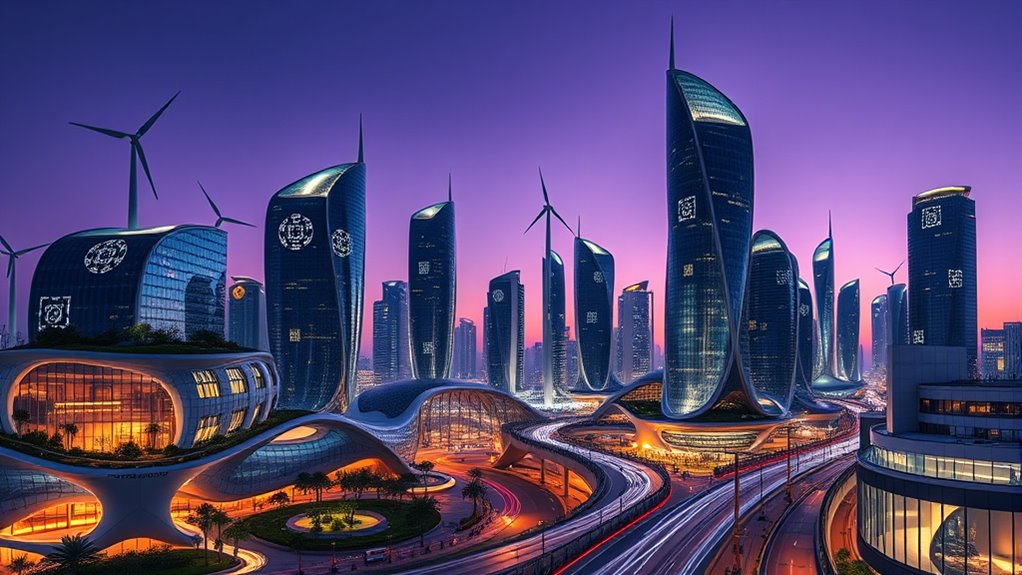
By 2030, energy efficiency standards will profoundly change how you manage energy, making systems smarter and more adaptable. You’ll see higher benchmarks for appliances, smarter grid technologies, and better integration of renewable sources. These standards will help reduce waste, lower costs, and give you more control over your energy use. As innovative solutions emerge, staying ahead means understanding how these standards shape a cleaner, more resilient energy future—discover how this will impact you.
Key Takeaways
- Energy efficiency standards will set higher benchmarks for appliances and infrastructure, promoting sustainable and cost-effective energy use by 2030.
- Standards will prioritize renewable integration, ensuring smarter equipment and energy storage solutions for reliable renewable energy adoption.
- Development of intelligent, digital-enabled smart grids will enable real-time energy management and demand response capabilities.
- Consumers will gain enhanced control over energy consumption through smarter devices and participation in energy optimization strategies.
- Continuous technological innovations will lead to more advanced, integrated standards supporting clean energy, smart technologies, and resilient infrastructure.

As the world pushes toward a more sustainable future, energy efficiency standards are poised to play a critical role by 2030. You’ll find that these standards are increasingly aligned with advanced technologies like renewable integration and smart grid systems. This shift isn’t just about setting higher efficiency benchmarks; it’s about creating a resilient, flexible energy landscape where clean energy sources seamlessly work together. By 2030, your home, business, and community will likely be part of an interconnected network that optimizes energy use in real time, reducing waste and cutting costs.
Renewable integration becomes a central focus as standards evolve. You’ll see that integrating solar, wind, and other renewable sources into the grid isn’t just about installing panels or turbines anymore. It’s about ensuring these sources operate efficiently and reliably within a broader system. Energy efficiency standards will mandate smarter equipment that can adapt to fluctuating renewable outputs. For you, this means smarter appliances, HVAC systems, and energy storage solutions that automatically adjust to energy supply and demand. As renewable sources become more prevalent, these standards will push for innovations that maximize their potential while minimizing energy losses, making renewable integration smoother and more cost-effective.
The smart grid is another cornerstone shaping the future of energy efficiency standards. You’ll notice that the traditional power grid is giving way to a more intelligent, interactive system. This smart grid uses digital communication technologies to monitor and manage energy flow dynamically. For you, this means having access to real-time energy data, allowing better control over your energy consumption. Standards will require equipment and infrastructure that can communicate efficiently across the grid, enabling demand response and load balancing. As a result, your energy use becomes more efficient, and you gain the ability to participate actively in energy management—shifting consumption during peak times or harnessing excess renewable energy when it’s available. Furthermore, innovations in high-efficiency projectors will also contribute to reducing overall energy consumption in homes and businesses, supporting these evolving standards.
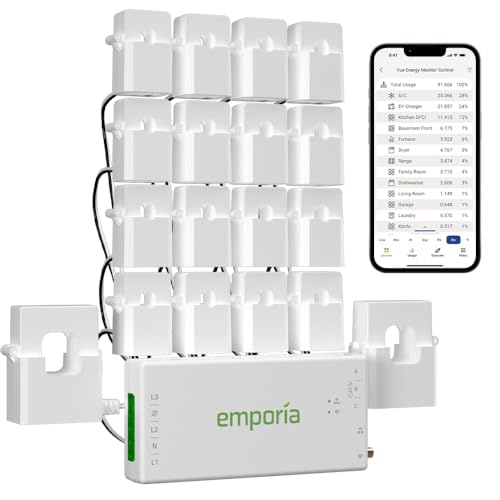
Emporia Vue 3 Home Energy Monitor – Smart Home Automation Module and Real Time Electricity Usage Monitor, Power Consumption Meter, Solar and Net Metering for UL Certified Safe Energy Monitoring
SAFETY YOU CAN TRUST WITH UL CERTIFICATION: With Emporia Energy, your home energy monitoring is safe, reliable, and…
As an affiliate, we earn on qualifying purchases.
As an affiliate, we earn on qualifying purchases.
Frequently Asked Questions
How Will Emerging Technologies Influence Future Standards?
Emerging technologies like smart grids and advanced energy storage will shape future standards by enabling more efficient energy use and integration. You’ll see standards evolve to promote smarter grid management, reducing waste and increasing reliability. Energy storage innovations will set new benchmarks for capacity and efficiency, making it easier for households and businesses to rely on renewable sources. These advancements will push standards toward sustainability, flexibility, and resilience in the evolving energy landscape.
What Role Will International Cooperation Play?
Imagine a shared lighthouse guiding us through dark waters—that’s how international cooperation will shape energy standards. You’ll see global policy and technological collaboration acting as beacons, uniting nations to set stronger, unified standards. This collective effort will foster innovation, reduce emissions, and guarantee equitable access to clean energy. By working together, you help create a sustainable future where every country benefits from smarter, more efficient energy solutions.
How Will Consumer Behavior Impact Standards?
Your consumer habits and behavioral adaptation will markedly influence energy efficiency standards. When you prioritize sustainable products and adopt energy-saving practices, manufacturers respond by designing more efficient appliances to meet your expectations. As you become more conscious of energy use, standards will evolve to reflect these changes, encouraging widespread adoption of eco-friendly technologies. Your choices help shape policies, driving a cycle of continuous improvement in energy efficiency standards.
Will Standards Vary Across Different Regions?
Standards will definitely vary across regions, like different strokes for different folks. You’ll notice regional disparities driven by local policies, climate, and economic conditions. To bridge these gaps, policymakers aim for greater policy harmonization, making energy efficiency standards more consistent worldwide. This helps you, as a consumer, navigate and benefit from clearer, more uniform standards regardless of where you are, fostering a more sustainable and efficient global energy landscape.
How Can Small Businesses Adapt to New Standards?
You can adapt to new standards by conducting energy audits to identify areas for improvement and implementing recommended changes. Participating in certification programs helps demonstrate compliance and boosts credibility. Stay informed about evolving regulations through industry updates and seek guidance from energy consultants. This proactive approach guarantees your business meets standards efficiently, reduces energy costs, and enhances sustainability, positioning you for long-term success in a changing regulatory landscape.

Ontel Battery Daddy Smart – Battery Organizer Storage Case with Tester, Stores & Protects Up to 150 Batteries, Clear Locking Lid, As Seen On TV, Smart – 150 Batteries (BADAS-MC4)
Double-Sided Battery Organizer: The Ontel Battery Daddy is a compact & portable way to organize, store and protect…
As an affiliate, we earn on qualifying purchases.
As an affiliate, we earn on qualifying purchases.
Conclusion
By 2030, energy efficiency standards will revolutionize how you power your life, transforming every home and workplace into a beacon of sustainability. You’ll witness a world where wasted energy becomes a thing of the past, replaced by innovation so groundbreaking it’ll seem like you’ve stepped into the future itself. Embrace these changes now, because the difference between today and a sustainable tomorrow is nothing short of a leap into an era where energy efficiency becomes your most powerful ally.

1200W Grid Tie Micro Inverter, 110V Solar Panel Smart Inverter, 32-bit DSP SPWM Control Six Protection Single-Phase Self-Cooling Micro Inverters w/Two Gaskets, LCD Display
【110V Solar Panel Micro Grid Tie Inverter】The inverter has built-in high-precision maximum power point tracking, which can optimize…
As an affiliate, we earn on qualifying purchases.
As an affiliate, we earn on qualifying purchases.
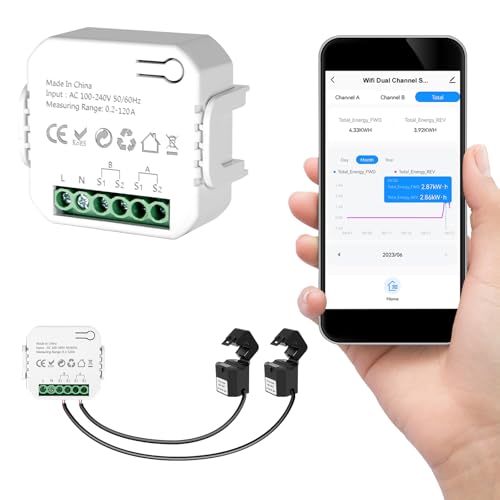
Smart Home Energy Monitor 2×120A, Dual-Channel Real-Time Electricity Usage Monitoring for Household Power, WiFi Energy Meter with App Control, Compatible with Tuya/Smart Life
【Dual-Channel Energy Monitoring】 This smart home energy monitor features two independent high-capacity sensing channels, allowing you to track…
As an affiliate, we earn on qualifying purchases.
As an affiliate, we earn on qualifying purchases.