Innovative materials like nanotechnology composites and aerogels are transforming thermal insulation, helping you achieve higher efficiency in a smaller space. Nanomaterials such as carbon nanotubes, graphene, and nanoclays strengthen insulation performance, increase durability, and enable thinner, lightweight walls. Aerogels, with their porous, low-conductivity structure, provide exceptional heat resistance while remaining lightweight and flexible. Exploring these advanced options can help you create more energy-efficient, space-saving solutions—keep going to discover how these materials can best work for your needs.
Key Takeaways
- Nanotechnology composites like carbon nanotubes and graphene enhance insulation performance while enabling thinner, more durable materials.
- Aerogel-based insulations offer ultra-low thermal conductivity, providing lightweight, space-efficient solutions for specialized applications.
- Incorporating nanomaterials improves moisture resistance, longevity, and customizable properties such as fire resistance and energy efficiency.
- Innovative materials support sustainable building practices by reducing material volume and enhancing overall energy conservation.
- Ongoing research advances affordability and integration, making these advanced insulating solutions viable for modern construction.

Thermal insulation materials play a crucial role in maintaining comfortable indoor temperatures and reducing energy costs. If you’re exploring innovative options, nanotechnology composites are at the forefront. These materials leverage the unique properties of nanomaterials—such as carbon nanotubes, graphene, and nanoclays—to enhance insulation performance markedly. By integrating nanotechnology composites into your insulation systems, you can achieve higher thermal resistance without adding bulk. This means thinner walls or layers that still provide exceptional insulation, making them ideal for space-constrained applications. The nanoscale structure also improves durability and moisture resistance, contributing to longer-lasting solutions that maintain their insulating properties over time. When you choose nanotechnology composites, you benefit from their customizable nature; manufacturers can tailor these materials to specific needs, whether for energy efficiency, fire resistance, or environmental sustainability. Additionally, ongoing research into nanomaterials’ environmental impact helps ensure these advanced materials remain sustainable and eco-friendly choices.
Another groundbreaking development in thermal insulation is aerogel applications. Aerogels are incredibly lightweight, porous materials that trap air within their tiny pores, creating a highly effective thermal barrier. If you’re considering aerogel-based insulation, you’ll find it offers some of the lowest thermal conductivities available, meaning it’s superb at minimizing heat transfer. These materials are particularly useful in situations where space is limited but high performance is required, such as in aerospace, building retrofits, or even clothing. Aerogel insulation can be applied as panels, blankets, or integrated into composite materials, giving you flexibility in design and installation. Despite their delicate appearance, aerogels are surprisingly durable and resistant to moisture, making them suitable for various environments. Their transparency in some forms also opens doors for innovative applications like window insulation, where maintaining natural light is desirable.
Incorporating nanotechnology composites and aerogel applications into your insulation solutions can dramatically improve energy efficiency and comfort. These materials are not only high-performing but also align with sustainable practices, often requiring less material volume to achieve the same or better thermal resistance. As you explore these options, you’ll notice that ongoing research continues to refine their properties, making them more affordable and easier to incorporate into everyday building projects. Whether you’re aiming to reduce your carbon footprint, meet strict building codes, or simply enhance indoor comfort, these innovative materials provide a future-proof approach. By choosing nanotechnology composites and aerogel applications, you’re investing in advanced, reliable insulation that meets the demands of modern energy-conscious environments.

NEW Rinnai RX199iN Condensing Smart Sense Natural Gas or Propane Tankless Water Heater, Indoor or Outdoor Water Heater, Up to 11.1 GPM, 199,000 BTU
One Model, Anywhere: This Rinnai tankless water heater is installable indoors or outdoors thanks to our new Versa...
As an affiliate, we earn on qualifying purchases.
Frequently Asked Questions
How Do Innovative Insulation Materials Impact Indoor Air Quality?
Innovative insulation materials can markedly improve your indoor air quality by enhancing air quality improvement and pollutant control. They often contain fewer volatile organic compounds (VOCs) and harmful chemicals, reducing indoor pollutant levels. These materials also help maintain consistent humidity and temperature, preventing mold growth and dust accumulation. As a result, you enjoy healthier, cleaner indoor environments, reducing allergy symptoms and respiratory issues linked to poor air quality.
Are New Materials Environmentally Sustainable and Eco-Friendly?
New insulation materials are increasingly eco-friendly, with over 60% of them made from biodegradable composites. By utilizing renewable resources, you can reduce environmental impact and support sustainability. These materials not only minimize waste but also promote eco-conscious building practices. When choosing insulation, look for options that prioritize renewable resource utilization, helping you build greener, more sustainable spaces that are better for the planet and future generations.
What Are the Cost Differences Between Traditional and Innovative Insulation?
The cost comparison shows that innovative insulation materials often have higher upfront costs compared to traditional options. However, you might save money long-term through better energy efficiency and durability. When considering your budget, weigh the initial investment against potential energy savings and environmental benefits. While traditional insulation is cheaper initially, innovative materials can offer better value over time, making them a smart choice for sustainable, cost-effective solutions.
How Durable Are These New Insulation Materials Over Time?
Sure, these new insulation materials are practically invincible, right? In reality, their long-term performance varies; some resist material degradation better than traditional options, ensuring durability, while others may degrade faster under harsh conditions. You’ll find that many innovative insulations boast impressive longevity, but it’s wise to contemplate specific product data. Overall, with proper installation and maintenance, these materials can serve you reliably for years, defying the aging process.
Can Innovative Materials Be Used in Both Residential and Commercial Buildings?
Yes, you can use innovative materials in both residential and commercial buildings. Building codes often adapt to include these advanced options, guaranteeing safety and efficiency. Plus, many of these materials support material recycling, making them environmentally friendly. You’ll benefit from improved energy efficiency and sustainability, whether for a home or a large-scale project. Just check local regulations to confirm compliance and peak performance with your chosen insulation.

ThermoMate Propane Tankless Water Heater, Up to 3.06 GPM High-Efficiency Instant Hot Water for Bathroom & Kitchen, 75,000 BTU Residential Indoor on-Demand Hot Water Heater, CZ264LP
[Max 3.06 GPM & 75,000 BTU] - The ThermoMate instant water heater reliably delivers a comfortable single shower...
As an affiliate, we earn on qualifying purchases.
Conclusion
By exploring innovative insulation materials, you can markedly boost energy efficiency and reduce costs. Did you know that new aerogel insulations can cut heat transfer by up to 95%? This means your home stays warmer in winter and cooler in summer with less energy. Embracing these advanced materials not only benefits your comfort but also helps protect the environment. So, consider upgrading your insulation—it’s a smart move for sustainability and savings.
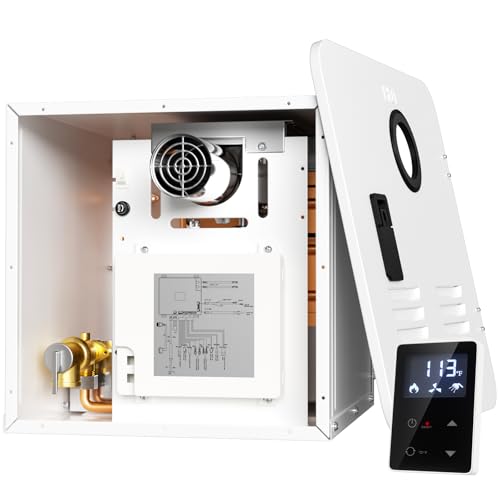
65,000 BTU RV Tankless Water Heater, 3.9 GPM Propane RV Hot Water Heater with 15x15in White Door and Remote, High Altitude Available, DC 12V
INSTANT HOT WATER SUPPLY: Traditional storage water heaters are often plagued by long preheating times and limited hot...
As an affiliate, we earn on qualifying purchases.

Electric Tankless Water Heater WINTEMP 27kW 240V, Whole House Hot Water Supply, On Demand Instant Endless Water Heater, with LED Temperature Display, WiFi Control, Up to 6.3 GPM, ETL Certified
Important Note: Ensure this tankless water heater meets your installation requirements. The WN27 model is rated at 27KW...
As an affiliate, we earn on qualifying purchases.