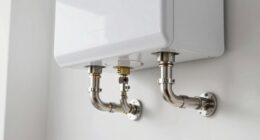
Fed up with your heat pump not working efficiently? Look no further, we have the perfect solution for you! Discover the key to maximizing your heat pump performance and enjoy a cozy home all year round. Keep reading to find out how you can save money on your energy bills while staying warm or cool as needed. Don’t miss out on this opportunity to upgrade your home comfort!
In this article, we’ll share our top tips for evaluating heat pump performance through energy efficiency. Understanding energy efficiency ratings is crucial to finding the perfect heat pump.
We’ll also explore the factors that affect energy efficiency and how to compare ratings effectively. Plus, we’ll provide valuable advice on maximizing energy efficiency in heat pump operation.
Get ready to experience ultimate comfort and savings!

Key Takeaways
- Energy efficiency ratings provide a benchmark for comparing heat pump performance.
- Regular maintenance and adequate insulation are crucial for maximizing energy efficiency.
- Higher COP, SEER, and HSPF ratings indicate better energy efficiency.
- Energy Star certification ensures adherence to energy efficiency guidelines.

Westinghouse Natural Gas Tankless Water Heater Indoor Installation Max 7.9 GPM 180,000 BTU, WIFI Enable Temp Self Modulating Non Condensing High Efficiency for House or Commercial, APOLO Performance
【On-Demand Efficiency】 Westinghouse tankless water heater works only needed, saving energy and costs. Compact yet powerful for whole-home...
As an affiliate, we earn on qualifying purchases.
Understanding Energy Efficiency Ratings
We will now delve into the importance of understanding energy efficiency ratings when evaluating heat pump performance.
Energy efficiency standards and regulations play a crucial role in determining the effectiveness and environmental impact of heat pumps. These ratings are based on rigorous testing protocols, ensuring that consumers can make informed decisions about their energy usage.
By understanding these ratings, we can assess the efficiency of a heat pump and its ability to convert energy into heat effectively. Energy efficiency standards provide a benchmark for comparing different models and help identify the most cost-effective option.
Additionally, these ratings contribute to reducing greenhouse gas emissions and promoting sustainability. By considering energy efficiency regulations, we can make choices that not only benefit our wallets but also the environment.

APUS Tankless Water Heater Propane, 140,000 BTU Indoor Installation Up to 6.8 GPM, Zero Cold Water Technology for Instant Hot Water on Demand, Smart Wi-Fi App Control
Instant Hot Water: This upgraded smart propane tankless water heater delivers consistent performance with its 140,000 BTU burner...
As an affiliate, we earn on qualifying purchases.
Importance of Energy Efficiency in Heat Pump Performance
The energy efficiency of a heat pump is crucial in determining its overall performance and effectiveness. To understand the importance of energy efficiency in heat pump performance, consider the following:
-
Regular maintenance: Proper maintenance ensures that the heat pump operates at its optimal efficiency. Regularly cleaning or replacing air filters, inspecting and cleaning coils, and checking refrigerant levels can significantly improve energy efficiency.
-
Insulation: Adequate insulation plays a vital role in heat pump energy efficiency. Well-insulated homes retain heat better, reducing the workload on the heat pump and improving overall energy efficiency.
-
Reduced energy consumption: A more energy-efficient heat pump consumes less electricity, leading to lower utility bills and a smaller carbon footprint.

-
Enhanced comfort: An energy-efficient heat pump provides consistent heating and cooling, ensuring a comfortable indoor environment year-round.

23000 BTU Mini Split AC & Heat Pump, 230v Energy Efficient Wall-Mounted Ductless Air Conditioner with WiFi Control, r32 Eco-Friendly Refrigerant, Cools/Heats Up to 1500 Sq.Ft, Quiet Operation
Powerful Cooling & Heating - This 23000 BTU mini split system delivers reliable cooling (63-90℉) and heating (32-80℉)...
As an affiliate, we earn on qualifying purchases.
Factors Affecting Heat Pump Energy Efficiency
There are several factors that can affect the energy efficiency of a heat pump, including proper sizing, insulation levels, and regular maintenance.
Proper sizing is crucial for optimal heat pump performance. If the unit is too small, it will struggle to heat or cool the space efficiently, resulting in higher energy consumption. On the other hand, an oversized heat pump will cycle on and off frequently, wasting energy.
Insulation levels also play a significant role in heat pump efficiency. Well-insulated homes retain heat or cool air better, reducing the workload on the heat pump.

Regular maintenance is essential to keep the heat pump operating at peak efficiency. This includes cleaning or replacing filters, checking refrigerant levels, and ensuring proper airflow.
MEPTY 9000BTU Mini Split AC/Heating System, 19 SEER2 Energy Efficient Mini Split Air Conditioner with Heat Pump, 110V Cools Up to 450sq.ft, Ductless Inverter AC Unit with Pre-Charged Condenser
⭐Advanced Energy Saving: Advanced inverter technology with leading 19 SEER2 rating delivers superior performance through ensuring that the...
As an affiliate, we earn on qualifying purchases.
How to Compare Energy Efficiency Ratings of Heat Pumps
How can we compare the energy efficiency ratings of heat pumps? When evaluating energy consumption and comparing COP ratings, consider the following:
-
COP (Coefficient of Performance) rating: This indicates the heat pump’s efficiency in converting electrical energy into heating or cooling output. Higher COP ratings indicate greater energy efficiency.
-
SEER (Seasonal Energy Efficiency Ratio): This measures the cooling efficiency of a heat pump over an entire cooling season. A higher SEER rating means better energy efficiency.

-
HSPF (Heating Seasonal Performance Factor): This measures the heating efficiency of a heat pump over an entire heating season. A higher HSPF rating indicates better energy efficiency.
-
Energy Star certification: Look for the Energy Star label, which indicates that the heat pump meets or exceeds energy efficiency guidelines set by the U.S. Environmental Protection Agency.
Tips for Maximizing Energy Efficiency in Heat Pump Operation
To maximize energy efficiency in heat pump operation, we should prioritize regular maintenance and proper usage. By following energy saving strategies and optimizing heat pump efficiency, we can ensure that our system operates at its best. Regular maintenance, such as cleaning or replacing filters, checking refrigerant levels, and inspecting ductwork, helps to keep the heat pump running efficiently. Proper usage involves setting the thermostat at optimal temperatures, using programmable settings, and avoiding unnecessary heating or cooling. Additionally, we can make use of energy-saving features, such as variable speed motors or smart thermostats, to further enhance efficiency. By implementing these strategies and maintaining our heat pump properly, we can maximize energy efficiency, lower energy costs, and reduce our environmental impact.
| Energy Saving Strategy | Optimizing Heat Pump Efficiency |
|---|---|
| Regular maintenance | Cleaning or replacing filters |
| Proper usage | Setting thermostat at optimal temperatures |
| Energy-saving features | Variable speed motors or smart thermostats |
Frequently Asked Questions
Can Heat Pumps Be Used in All Climates, or Are They Only Efficient in Certain Temperature Ranges?
Heat pump efficiency varies based on climate. In certain temperature ranges, heat pumps are more efficient, while in extreme climates they may struggle to provide adequate heating or cooling.

Are There Any Government Incentives or Rebates Available for Purchasing Energy-Efficient Heat Pumps?
Yes, there are government incentives and rebates available for purchasing energy-efficient heat pumps. These incentives aim to encourage the adoption of energy-efficient technologies and help offset the cost of upgrading to more efficient systems.
How Often Should a Heat Pump Be Serviced or Maintained to Ensure Optimal Energy Efficiency?
To ensure optimal energy efficiency, we recommend regular maintenance for heat pumps. By servicing them at the appropriate frequency, we can maximize their performance and prolong their lifespan, resulting in long-term energy savings.
Can a Heat Pump Be Used in Conjunction With Other Heating or Cooling Systems to Maximize Energy Efficiency?
Using heat pumps in combination with traditional HVAC systems can maximize energy efficiency. The impact of heat pump performance on overall energy consumption is significant. It is important to evaluate heat pump performance for optimal efficiency.
What Are the Potential Drawbacks or Limitations of Using a Heat Pump for Both Heating and Cooling Purposes?
When considering a heat pump for both heating and cooling, it’s important to understand the potential drawbacks and limitations. These include efficiency variations in different climates, maintenance frequency, and the possibility of maximizing energy efficiency by combining with other systems.

Conclusion
In conclusion, understanding energy efficiency ratings and factors affecting heat pump energy efficiency is crucial for evaluating heat pump performance.
By comparing energy efficiency ratings and implementing tips for maximizing energy efficiency in heat pump operation, we can make informed decisions and ensure optimal performance.
Remember, a well-performing heat pump not only saves energy and reduces costs but also contributes to a sustainable and eco-friendly lifestyle.