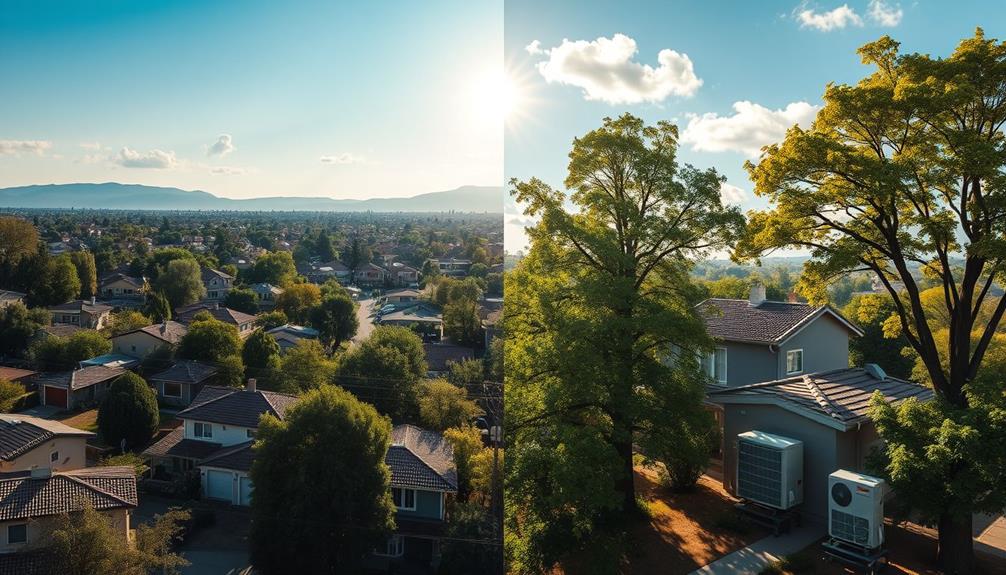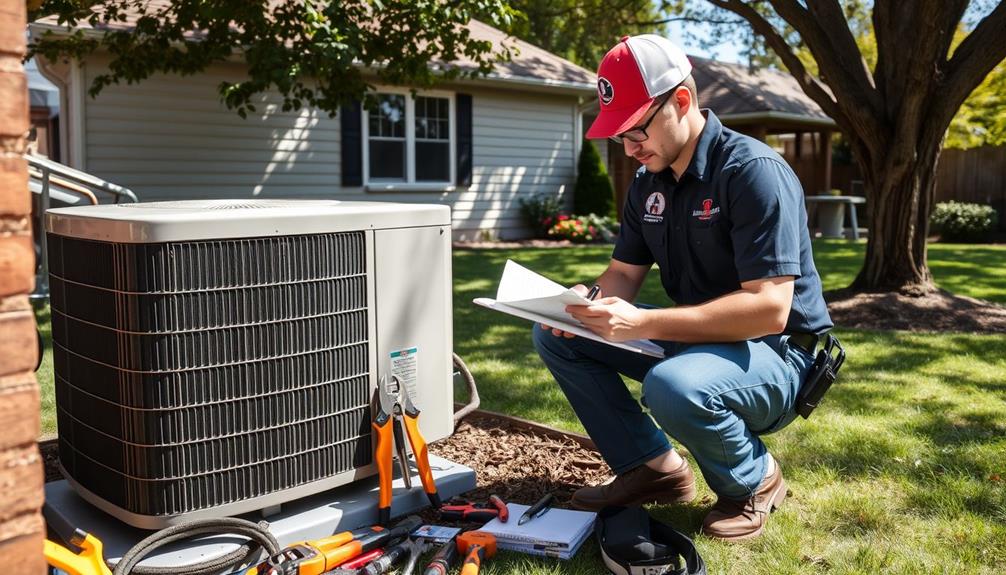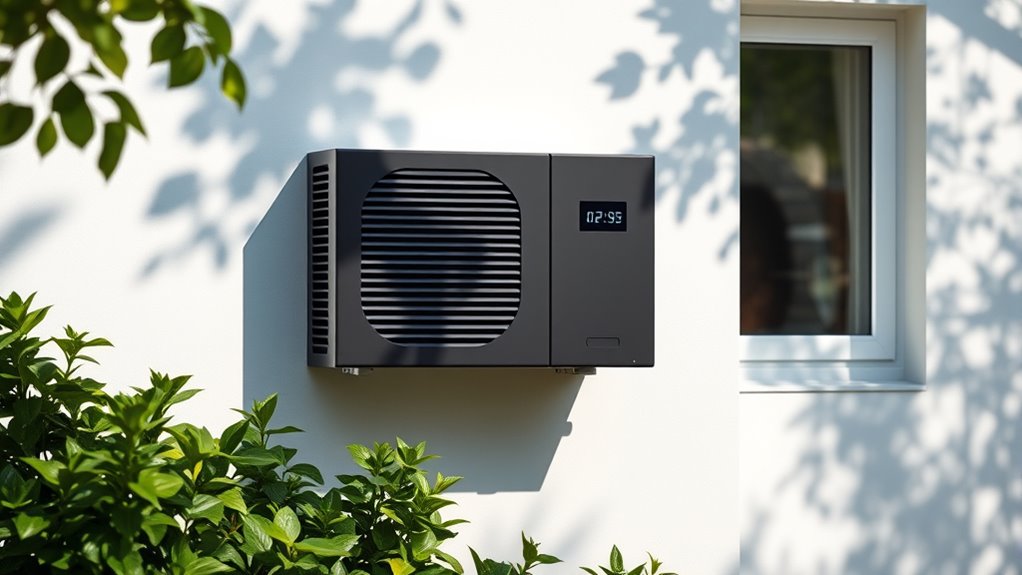

Heat pumps, especially geothermal systems, are ideal for passive houses and ultra-low-energy homes because they deliver efficient heating and cooling with minimal energy use. They use stable underground temperatures to guarantee consistent performance, reducing long-term costs and environmental impact. While installation incurs higher upfront costs, their durability and low maintenance make them cost-effective over time. Discover more about how these systems can optimize your home’s efficiency and sustainability with passive design principles.
Key Takeaways
- Geothermal heat pumps provide highly efficient heating and cooling, ideal for passive and ultra-low-energy homes.
- They leverage stable underground temperatures for consistent performance year-round.
- Installation involves higher upfront costs but offers long-term energy savings and durability.
- Proper site assessment ensures optimal system efficiency based on geological conditions.
- These systems are environmentally friendly, reducing carbon footprint and operational costs over time.
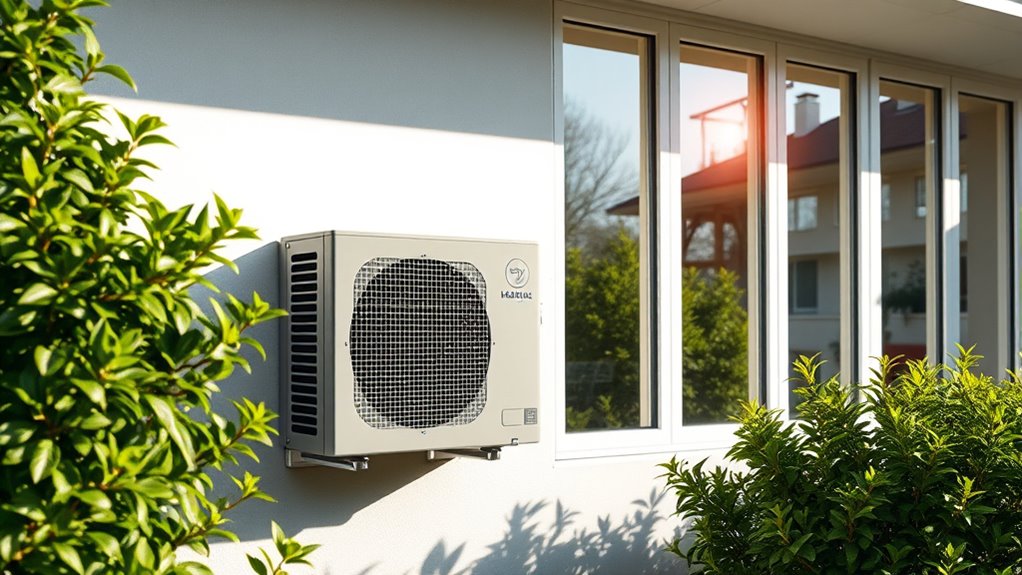
Heat pumps are becoming a popular choice for passive houses because they provide efficient heating and cooling with minimal energy use. When considering such systems, geothermal heat pumps stand out due to their impressive geothermal efficiency. These systems leverage the stable temperatures underground to deliver consistent performance year-round, making them ideal for ultra-low-energy homes. Unlike air-source heat pumps, geothermal units use underground loops to extract or dissipate heat, which results in higher efficiency because ground temperatures are relatively constant, often leading to lower operational costs over time.
However, one of the primary concerns with geothermal heat pumps is the installation costs. The initial investment can be substantial, primarily because installing ground loops requires excavation and specialized equipment. You might find that installation costs are higher upfront compared to air-source systems, but it’s vital to weigh this against the long-term savings on energy bills. Since geothermal systems tend to last longer and operate more efficiently, they often offset their initial expense over the lifespan of the system. Additionally, some regions offer incentives or tax credits that can help reduce the financial burden of installation, making geothermal solutions more accessible.
Initial geothermal installation costs are high but offset by long-term savings and available incentives.
When you’re evaluating geothermal efficiency, it’s important to take into account the local geological conditions. The type of soil, rock, and moisture levels can influence how effectively heat is transferred through the ground loops. Proper site assessment is essential to optimize system performance and guarantee you’re getting the most out of your investment. A well-designed geothermal system can achieve efficiencies considerably higher than traditional heating and cooling methods, sometimes reaching coefficients of performance (COP) of 4.0 or more, meaning for every unit of energy used, you get four units of heating or cooling.
Furthermore, the durability and low maintenance of geothermal systems add to their appeal. Once installed, they require minimal upkeep, which appeals to homeowners seeking passive house solutions that maximize comfort while minimizing effort. Although the installation process might seem intimidating due to costs and planning, the long-term benefits—such as consistent performance, lower energy bills, and environmental friendliness—make geothermal heat pumps an attractive choice. Geothermal efficiency plays a crucial role in ensuring the system’s cost-effectiveness and environmental benefits over its lifespan.

Westinghouse Natural Gas Tankless Water Heater Indoor Installation Max 7.9 GPM 180,000 BTU, WIFI Enable Temp Self Modulating Non Condensing High Efficiency for House or Commercial, APOLO Performance
【On-Demand Efficiency】 Westinghouse tankless water heater works only needed, saving energy and costs. Compact yet powerful for whole-home...
As an affiliate, we earn on qualifying purchases.
Frequently Asked Questions
How Do Heat Pumps Perform in Extremely Cold Climates?
In extremely cold climates, heat pumps can struggle with frost protection, which may cause efficiency drops. You’ll notice they work less effectively as temperatures plummet, requiring additional heating sources or defrost cycles. To keep your system running smoothly, make certain of proper insulation and consider models designed for low temperatures. While they can still perform well, understanding these limitations helps you optimize their use and maintain comfort during harsh winters.
What Maintenance Is Required for Heat Pumps in Passive Houses?
You’ll love how low-maintenance your heat pump is, right? Just remember to keep up with simple maintenance routines like filter replacements and occasional inspections. It’s almost too easy—no need for constant tinkering. Regularly cleaning or replacing filters ensures peak efficiency, especially in passive houses. Skip this, and you might find yourself surprised when your system doesn’t perform as expected. So, stay on top of these small tasks, and enjoy hassle-free comfort.
Are There Specific Types of Heat Pumps Best Suited for Ultra-Low-Energy Homes?
For ultra-low-energy homes, you should choose geothermal heat pumps for ideal geothermal efficiency, as they offer high efficiency and low operating costs. Hybrid configurations also work well, combining traditional heat pumps with other systems to maximize energy savings. These options guarantee your home remains comfortable while minimizing energy use, making them ideal choices for ultra-low-energy homes. Always consider your specific climate and energy needs when selecting the best system.
How Does the Integration of Heat Pumps Affect Indoor Air Quality?
Integrating heat pumps can improve indoor air quality by providing consistent, filtered ventilation. Studies show that proper ventilation strategies with heat pumps can reduce indoor pollutants by up to 50%. You’ll want to guarantee your system includes fresh air intake and filtration. This combination helps maintain healthy humidity levels and reduces allergens, creating a more comfortable and healthier living environment. Proper integration is key to maximizing indoor air quality benefits.
What Are the Cost Differences Between Various Heat Pump Systems?
You’ll find that the initial installation costs vary widely among heat pump systems, with simpler air-source units being more affordable and geothermal options costing more upfront. However, investing in a higher-quality system can lead to significant long-term savings through lower energy bills and reduced maintenance. While upfront costs might be higher, the energy efficiency and durability of advanced systems make them a smart choice for cost-effective, eco-friendly heating and cooling.

Canyon Lodge Large Pellet Stove
Heats up to 2,000-3,000 sq. ft.
As an affiliate, we earn on qualifying purchases.
Conclusion
Imagine enjoying cozy warmth in your ultra-low-energy home without the noise and emissions of traditional systems. Heat pumps make this possible, seamlessly blending efficiency with comfort. While passive houses embrace minimal energy use, heat pumps actively boost your home’s warmth without excess. Together, they create a harmonious balance—where innovation meets sustainability. Embrace this pairing and transform your living space into a haven that’s both eco-friendly and effortlessly warm.

Large Pellet Stove - 130lb Hopper
Built-in WiFi – Smart Home Technology
As an affiliate, we earn on qualifying purchases.

PelPro PP150 Pellet Stove for Home Heating - 150 lb Hopper, 49,200 BTU Heats up to 2,500 Sq. Ft., Easy-Dial Temp Control, Built-in Thermostat with Auto-Ignition, Powerful & Quiet 265CFM Blower
PP150 pellet stoves for fireplaces are efficient for home heating up to 2,500 sq. ft. at almost 50,000...
As an affiliate, we earn on qualifying purchases.