Proper insulation plays a key role in your home’s heating efficiency by preventing heat from escaping through walls, attic, and floors. When installed correctly, it creates a barrier that maintains warmth, reduces drafts, and keeps your living space comfortable. Good insulation also lowers your energy bills by cutting down on heating needs. To maximize these benefits and learn more about how insulation can boost your home’s performance, keep exploring the details.
Key Takeaways
- Proper insulation reduces heat loss, maintaining indoor warmth and decreasing reliance on heating systems.
- Higher R-value insulation provides better resistance to heat flow, enhancing overall home energy efficiency.
- Installing insulation in key areas like attics and walls minimizes drafts and cold spots.
- Well-installed insulation prevents heat escape, lowering energy bills and extending heating system lifespan.
- Upgrading insulation improves indoor comfort and reduces the workload on heating equipment.
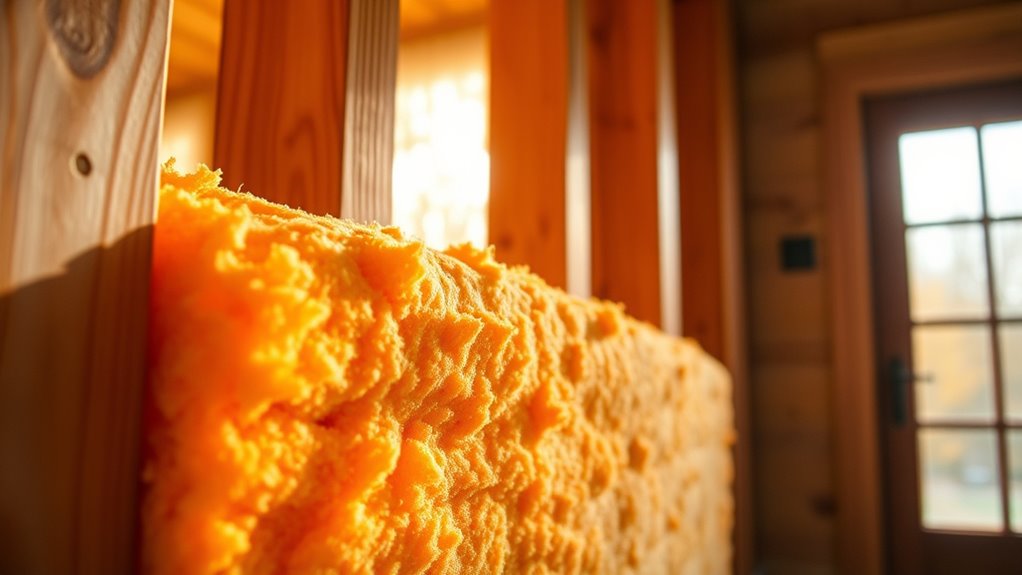
Proper insulation is essential for maintaining a warm and energy-efficient home during the colder months. When you focus on improving your home’s insulation, you’re effectively reducing heat loss and keeping the warmth inside where it belongs. One key factor to consider is the thermal resistance of your insulation materials. Thermal resistance, often expressed as R-value, measures how well insulation resists the flow of heat. The higher the R-value, the better your insulation materials are at preventing heat from escaping. Choosing the right insulation with an appropriate thermal resistance can make a significant difference in how warm your home stays and how much you save on energy bills.
Proper insulation with high R-value keeps your home warm and energy-efficient during winter.
Different insulation materials offer varying levels of thermal resistance, so understanding their properties helps you make smarter choices. Fiberglass batts, spray foam, foam boards, and cellulose are common options, each with their own R-values. For example, spray foam tends to have a higher thermal resistance per inch compared to fiberglass, meaning you can achieve better insulation with less material. When selecting insulation materials, you need to consider both the R-value and the specific needs of your home. Proper installation is equally important because even the best insulation can lose effectiveness if it’s compressed, gaps are left, or it’s installed improperly. Ensuring tight, even coverage around walls, attics, and floors maximizes the thermal resistance and prevents drafts.
You should also evaluate areas where heat commonly escapes, like attic spaces, basements, and exterior walls. Upgrading insulation in these zones raises the overall thermal resistance of your home’s envelope, making your heating system more efficient. This means your furnace or heat pump doesn’t have to work as hard to maintain a comfortable temperature, which not only saves energy but also extends the lifespan of your heating equipment. Additionally, proper insulation reduces cold spots and prevents moisture buildup, which can lead to mold or damage over time. Understanding the significance of proper insulation and avoiding gaps and compression is crucial because even minor imperfections can significantly decrease its effectiveness.
In essence, understanding the role of thermal resistance and selecting suitable insulation materials forms the foundation of an energy-efficient home. It’s about more than just filling gaps; it’s about creating a barrier that effectively retains heat and minimizes energy waste. When you invest in quality insulation with high thermal resistance and ensure it’s properly installed, you’re taking a vital step toward a warmer, more comfortable, and cost-effective home during the chilly months.

LEMOONE Attic Door Insulation Cover 25"x54"x11", Energy Saving Tent Attic Stairs Cover Ladder Pull Down Insulator, R-Value 15.5 Thicken Aluminum Foil Stairway Insulation with Zipper Fireproof
【All-Year Airtight Seal Protection】Designed for year-round performance, the LEMOONE Attic Door Insulation Cover creates an airtight seal around…
As an affiliate, we earn on qualifying purchases.
As an affiliate, we earn on qualifying purchases.
Frequently Asked Questions
How Does Insulation Affect Indoor Air Quality?
Insulation improves indoor air quality by reducing drafts and maintaining consistent temperatures, which helps prevent mold growth. It also supports indoor air filtration by minimizing dust and allergens that can enter through gaps. When properly installed, insulation creates a healthier environment, making it easier for your HVAC system to filter air effectively. This means you breathe cleaner air and enjoy a more comfortable, mold-free home.
What Types of Insulation Are Best for Extreme Climates?
Like a fortress guarding its treasures, you need insulation materials with high thermal resistance for extreme climates. Choose spray foam or rigid foam boards, as they excel in both cold and hot conditions. These materials provide superior insulation, keeping your home warm in winter and cool in summer. Their durability and ability to withstand temperature extremes make them the best options for harsh climates.
Can Insulation Reduce Noise Pollution Inside the Home?
Yes, insulation can reduce noise pollution inside your home. It provides soundproofing benefits by absorbing and blocking sound waves, which enhances insulation and privacy. Installing insulation in walls, floors, and ceilings helps minimize noise from outside and between rooms, creating a quieter, more comfortable living space. Properly chosen insulation materials can markedly improve your home’s acoustic environment, making it a smart investment for peace and privacy.
How Often Should Insulation Be Inspected or Replaced?
You should inspect your insulation every 3 to 5 years, especially after severe weather or if you notice increased energy bills. Follow the replacement guidelines, which suggest upgrading insulation if it’s damp, compressed, or moldy. An inspection schedule helps catch issues early, ensuring your home stays warm and energy-efficient. Regular checks keep your insulation performing its best and protect your investment for years to come.
Is DIY Insulation Installation Effective and Safe?
DIY insulation installation can be effective if you prioritize DIY safety and choose the right insulation materials. You should carefully follow manufacturer instructions, wear protective gear, and guarantee proper ventilation. Using safe insulation materials like fiberglass or foam boards helps prevent health risks. If you’re unsure or working in hard-to-reach areas, consider consulting a professional. Proper preparation and safety measures make DIY insulation a viable option for improving your home’s efficiency.

BEEST FullStop Spray Foam Insulation Kit for Walls and Attic – 240 Board ft/sq.ft. Perfect Heat & Acoustic Insulation for Reduced Energy Bills – 12x Spray Foam Can, 1 Cleaner, Pro X Gun & Safety Gear
Beest FullStop DIY Spray Foam Insulation Kit: Our spray foam insulation delivers exceptional thermal insulation and soundproofing, achieving…
As an affiliate, we earn on qualifying purchases.
As an affiliate, we earn on qualifying purchases.
Conclusion
By upgrading your insulation, you can cut your heating costs by up to 20%, keeping your home warmer and your bills lower. Imagine your energy savings adding up each month, giving you more comfort and less stress. Proper insulation acts like a cozy blanket that traps heat inside, so you don’t have to constantly turn up the thermostat. Investing in good insulation isn’t just smart—it’s essential for a more efficient, comfortable home.
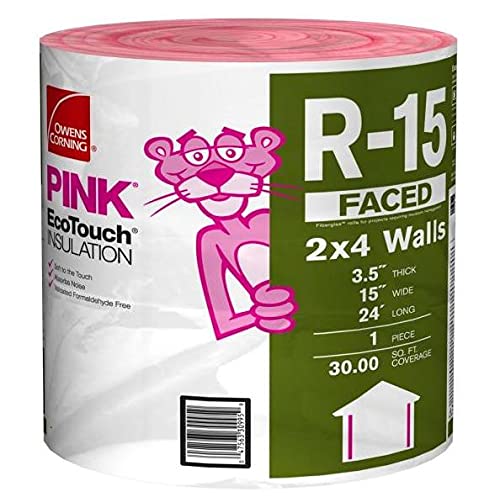
Owens Corning R- 15 Faced Fiberglass Insulation ROLL 15 in. X 24 FT. 1 ROLL RF32
Stens replacement parts have become a favorite among lawn and landscape professionals thanks to exceptional performance.
As an affiliate, we earn on qualifying purchases.
As an affiliate, we earn on qualifying purchases.
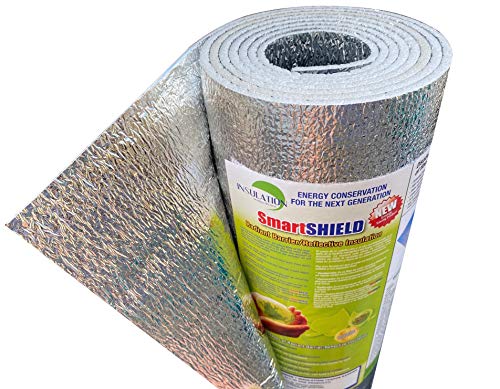
INSULATION MARKETPLACE SmartSHIELD -3mm 16inx10Ft ReflectiveINSULATION roll, Foam Core Radiant Barrier, ThermalINSULATION Shield – Engineered Foil
EXTREMELY EFFECTIVE – reflect 95% of radiant energy, perfect RADIANT BARRIER.
As an affiliate, we earn on qualifying purchases.
As an affiliate, we earn on qualifying purchases.