When retrofitting old radiators with a heat pump system, you need to evaluate their compatibility first, as older models may not meet modern heat pump requirements. Installation challenges like outdated pipework and limited space can complicate the process. Adjustments to valves or upgrading pipe connections might be necessary to guarantee efficient operation. Proper planning and professional guidance help you avoid surprises and maximize your system’s performance—if you want to learn more, keep exploring these key considerations.
Key Takeaways
- Assess radiator compatibility to ensure they can efficiently work with heat pump systems.
- Identify and address installation challenges like space constraints and outdated pipework.
- Evaluate system pressures and flow rates to prevent uneven heating or inefficiencies.
- Plan upgrades or modifications early to avoid costly adjustments during retrofit.
- Work with experienced professionals to optimize system performance and prolong radiator lifespan.
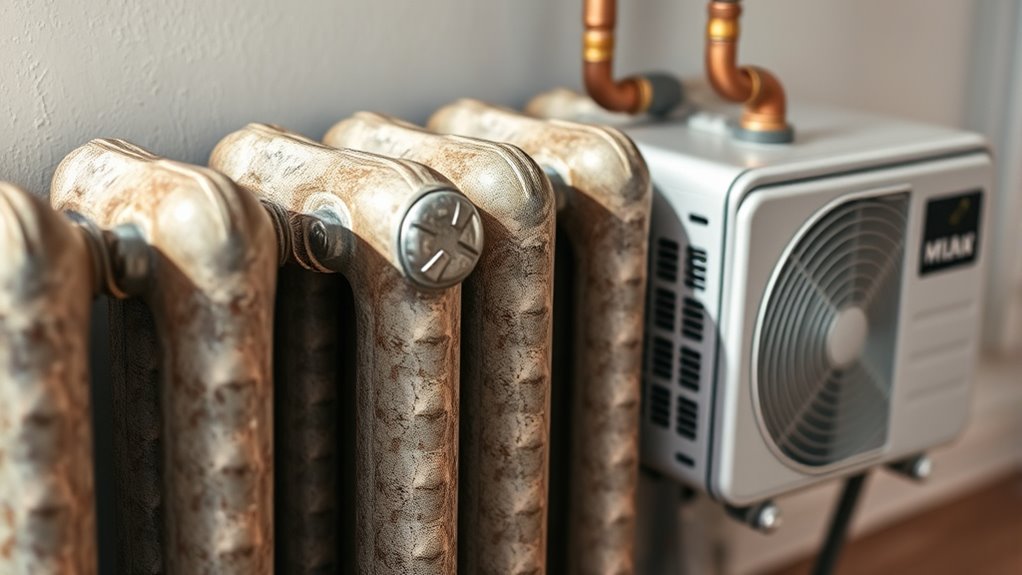
Retrofitting old radiators is an effective way to improve your home’s heating efficiency without replacing the entire system. One of the first things you’ll need to consider is radiator compatibility. Not all radiators are suitable for integration with modern heat pump systems, so it’s essential to evaluate whether your existing radiators can handle the new setup. Older radiators may have different sizes, connections, or flow requirements that could complicate the retrofit process. Ensuring compatibility beforehand helps prevent costly adjustments later on and guarantees your system works efficiently. If your radiators aren’t compatible, you might need to replace or modify them, which could increase the project’s complexity and cost.
Another key factor to consider is the installation challenges involved. Retrofitting with heat pumps isn’t always straightforward, especially when working with existing radiator infrastructure. You may face issues like limited space for new components, outdated pipework that doesn’t match current standards, or inconsistent radiator performance. These challenges require careful planning and possibly professional assessment to determine the best approach. For example, you might need to upgrade your pipe connections or reroute existing lines to ensure optimal flow and heat distribution. Addressing these installation challenges early on can save you from surprises during the actual retrofit, making the process smoother and more efficient.
Additionally, compatibility isn’t just about physical connections; it also involves system pressures and flow rates. Heat pump systems operate differently than traditional boilers, often requiring adjustments in your radiator setup. If your radiators are too small or too large for the heat pump’s output, you might experience uneven heating or inefficient operation. Sometimes, balancing the radiator system by adjusting valves or adding thermostatic controls becomes necessary to optimize performance. In some cases, you may need to upgrade your valves or install additional components to match the heat pump’s requirements, which adds another layer to the installation challenges.
Despite these hurdles, retrofitting old radiators with heat pump systems is a worthwhile investment for energy efficiency and reduced utility costs. It’s essential to assess your existing radiators’ compatibility and anticipate potential installation challenges early in the planning process. Working with experienced professionals can help you navigate these complexities, ensuring your retrofit is successful and that your heating system runs smoothly and efficiently. With proper planning and careful execution, you can enjoy the benefits of modern heat pump technology while maximizing the lifespan of your current radiators.
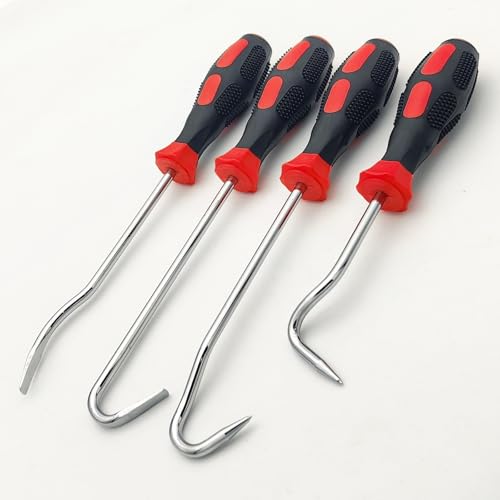
JOYFUL&HOPEFUL Hose Removal Tools,10" Radiator Hose Pick,8" Auto Hose Removal Tool,Hose Puller Tool for Radiator Hoses,4pcs
Designed be used to remove hoses, moldings, clips, clamps, seals, O-rings, cotter pins, gaskets
As an affiliate, we earn on qualifying purchases.
As an affiliate, we earn on qualifying purchases.
Frequently Asked Questions
Can All Old Radiators Be Retrofitted With Heat Pump Systems?
Not all old radiators can be retrofitted with heat pump systems. You need to check radiator compatibility first, as some may not work efficiently with lower-temperature heat pumps. Retrofit challenges, like outdated pipework or incompatible radiator sizes, can complicate the process. You should assess your current system and consult a professional to determine if retrofitting is feasible, ensuring you get the most efficient and cost-effective upgrade.
What Is the Typical Cost of Retrofitting Radiators With Heat Pumps?
The typical cost of retrofitting radiators with heat pumps ranges from $3,000 to $10,000 per system, depending on size and complexity. For accurate cost estimation, consider factors like existing radiator condition and installation needs. You should explore financing options, such as loans or government incentives, to make the upgrade more affordable. Consulting a professional can help you get a precise quote tailored to your home.
How Long Does a Radiator Retrofit Process Usually Take?
The radiator retrofit process usually takes about one to three days, depending on your home’s size and existing system. You should consider the installation timeline and renovation considerations beforehand, as some upgrades may require extra work like pipe adjustments or wall modifications. Planning ahead helps facilitate a smooth shift, minimizes disruption, and allows your new heat pump system to operate efficiently once installed.
Will Retrofitting Affect My Existing Radiator’s Heat Output?
Retrofitting your radiator won’t substantially reduce its heat output; in fact, a well-designed upgrade can improve efficiency by up to 20%. You might notice a slight change initially, but modern heat pump-compatible radiators are optimized for better heat distribution. This means your radiator’s heat output stays reliable, while overall efficiency improves, saving you money and energy in the long run.
Are There Any Safety Concerns With Installing Heat Pumps on Old Radiators?
Yes, there are safety concerns when installing heat pumps on old radiators. You need to follow safety precautions like ensuring proper electrical connections and avoiding leaks. It’s also essential to check system compatibility because older radiators might not handle the lower water temperatures from heat pumps. By taking these steps, you can prevent potential issues and guarantee a safe, efficient installation.

Motor HeatSink Compatible with Delavan All FB Series Pumps,Radiator Fits MY1020 Motor, MX650, MX500&SX500 Dirt Bike, HeatSink Cooling Fins-3.75 X 3.95 Dia,Cooling Fins Fit Electric Engine About 4 "Dia
50-126 Aluminum motor heatsink -3.75 X 3.95 Dia, Motor heatsink compatible with Razor MX650, MX500,& SX500, fits MY1020…
As an affiliate, we earn on qualifying purchases.
As an affiliate, we earn on qualifying purchases.
Conclusion
Retrofitting your old radiators with heat pump systems is a smart way to boost efficiency and cut costs. Did you know that heat pumps can reduce your energy bills by up to 50%? Imagine slashing your heating expenses while helping the environment. It’s a straightforward upgrade that transforms your home into a more sustainable space. So, why wait? Embrace this modern solution and enjoy cozy warmth with less impact on your wallet and the planet.

Midline Valve 6I342 Steam Radiator Valve; Air Vent Temperature Control; 1 in. FIP x Male Union; Brass
Replacement steam Air Vent Valve: This Is A Great Replacement for Old, Rusty, or Leaky Radiator Valves. Compatible…
As an affiliate, we earn on qualifying purchases.
As an affiliate, we earn on qualifying purchases.

Upper Radiator Coolant Hose Connector Pipe Adapter Fit for Toyota RAV4 2009 2010 2011 2012 Replace 16571-0V020 165710V020 16057-36011 1605736011
[Compatible]: This Upper Radiator Coolant Hose Connector Pipe Adapter is compatible with Toyota RAV4 models from 2009 to…
As an affiliate, we earn on qualifying purchases.
As an affiliate, we earn on qualifying purchases.