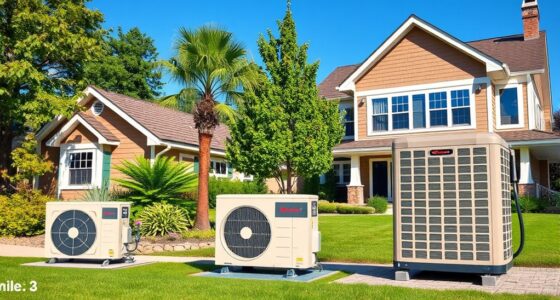

By integrating smart home systems with your heat pump heating, you gain greater control over your home’s temperature and energy use. Automation features adjust heating based on your schedule, sensor data, and environmental conditions. This reduces manual adjustments, saves money, and improves comfort while lowering your ecological footprint. With seamless device synchronization, your system responds automatically to changes like open windows or occupancy. Keep exploring to discover how this integration can transform your home environment even further.
Key Takeaways
- Integrate smart home platforms with heat pumps for centralized control and automation of temperature settings.
- Use sensors and algorithms to optimize heat pump performance based on indoor and outdoor conditions.
- Automate heating schedules for comfort during wake-up and absence, reducing manual adjustments.
- Synchronize heat pumps with other smart devices like occupancy sensors and window sensors for energy efficiency.
- Leverage automation to minimize energy waste, lower costs, and promote sustainable home energy management.
Smart home systems are transforming how we manage comfort and energy efficiency, especially when paired with heat pump heating. By integrating these systems, you gain more control over your home’s temperature while reducing energy consumption. This integration allows you to tailor your heating settings based on your lifestyle, schedule, and preferences, leading to smarter, more efficient use of energy. Instead of manually adjusting thermostats, you can set routines or let automation handle changes seamlessly. For example, your system can lower the temperature when you’re away or during nighttime, then ramp it up just before you wake up. This level of user automation guarantees you’re never wasting energy when you don’t need to, which helps cut costs and shrink your environmental footprint.
When you connect your heat pump to a smart home system, you activate a range of features designed to optimize performance. Sensors and algorithms work together to monitor indoor temperatures, humidity levels, and even outdoor weather conditions. The system can then make real-time adjustments to maintain your desired comfort levels with maximum energy efficiency. You don’t have to lift a finger; instead, your system learns your routines and adapts accordingly. Over time, it becomes more intuitive, making your home not only more comfortable but also more sustainable. This proactive approach minimizes energy waste by preventing overheating or overcooling, which often happens when manual controls are set too high or low. Digital literacy programs can help seniors understand and utilize these advanced features effectively.
In addition, user automation extends to integrating your heat pump system with other smart devices. You can synchronize it with smart blinds, window sensors, or occupancy detectors, creating a cohesive environment that responds automatically to changes. For example, if a window opens, the system can temporarily reduce heating to prevent energy loss. If you’re leaving home, your system can turn off or switch to a more energy-efficient mode without any manual input. These automation features make managing your home’s energy use effortless, giving you peace of mind and saving money on energy bills.
smart home compatible heat pump thermostat
As an affiliate, we earn on qualifying purchases.
As an affiliate, we earn on qualifying purchases.
Frequently Asked Questions
Can Existing Smart Home Systems Easily Integrate With Heat Pumps?
Yes, your existing smart home system can often integrate with heat pumps, but it depends on your legacy systems and wireless protocols. Many modern heat pumps support popular protocols like Zigbee or Z-Wave, making integration smoother. However, if your legacy system uses outdated protocols, you might need a bridge or hub. Check compatibility first, and consider updates to guarantee seamless control and automation of your heat pump through your smart home platform.
What Are the Energy Savings Benefits of Combining Smart Systems With Heat Pumps?
You’ll see lower bills, increased energy efficiency, and smarter control when you combine smart systems with heat pumps. This integration optimizes your heating and cooling, reducing energy waste and cutting costs. You gain convenience, comfort, and savings—all at once. By leveraging smart automation, you can fine-tune your system’s performance, ensuring maximum efficiency and significant cost reductions over time. It’s a smart move for your home and your wallet.
Are There Compatibility Issues With Different Brands of Smart Home Devices?
Yes, there can be compatibility issues between different brands of smart home devices. You might face challenges with brand compatibility and device interoperability, which can limit how seamlessly your systems work together. To avoid this, choose devices that support common standards like Zigbee or Z-Wave, or opt for brands known for broad compatibility. Checking device specifications and compatibility guides before purchasing guarantees smooth integration and ideal system performance.
How Secure Is Data Transmission Between Smart Systems and Heat Pumps?
You can feel confident that data transmission between your smart system and heat pump is safeguarded. Manufacturers typically use data encryption to protect your information from interception, while network security protocols help prevent unauthorized access. Regularly updating your device firmware and using strong, unique passwords further enhance protection. This combination of data encryption and network security measures ensures your smart home system remains safe from cyber threats.
What Is the Typical Installation Process for Integrating These Systems?
You start by following the installation steps, which include mounting the smart system’s hub and connecting it to your Wi-Fi network. Then, you configure the system settings to guarantee compatibility with your heat pump. Next, you link the smart system to your heat pump’s controls, adjusting parameters for ideal performance. Finally, you test the setup to confirm everything functions smoothly, making adjustments as needed for seamless integration.
heat pump with smart home integration
As an affiliate, we earn on qualifying purchases.
As an affiliate, we earn on qualifying purchases.
Conclusion
So, now you can sit back and pretend you’re living in the future, all while your smart home and heat pump do the heavy lifting. Who knew saving energy could be so high-tech and glamorous? Just imagine telling your friends you’re basically controlling the weather in your house—without lifting a finger. It’s like having a personal butler, but way cooler (and more energy-efficient). Welcome to the future, where comfort is just a tap away!
smart sensors for heat pump optimization
As an affiliate, we earn on qualifying purchases.
As an affiliate, we earn on qualifying purchases.
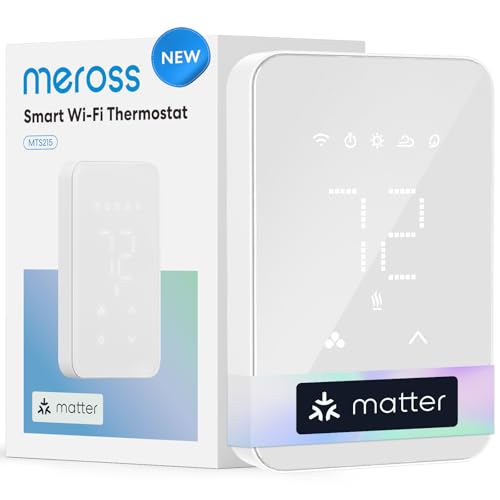
meross Matter Smart Thermostat for Electric Baseboard Heater, Works with Alexa, HomeKit, Google, SmartThings, Programmable WiFi Thermostat for House, Energy Saving, App & Voice Control for Smart Home
🔔Compatibility Notice: Designed for high-line voltage (120 – 240 VAC) electric heating systems, such as baseboard, Convector, and…
As an affiliate, we earn on qualifying purchases.
As an affiliate, we earn on qualifying purchases.