Understanding HVAC systems and building codes helps you make certain your home stays safe, efficient, and compliant. These codes set standards for ventilation, electrical safety, and equipment sizing, preventing hazards like fires or carbon monoxide leaks. They also promote energy efficiency, helping reduce utility bills. Following these regulations during installation or upgrades protects you from future legal issues and costly repairs. Keep exploring to discover how adhering to codes benefits your home and peace of mind.
Key Takeaways
- Building codes ensure HVAC systems meet safety standards, including ventilation, electrical wiring, and equipment safety requirements.
- Codes set minimum efficiency standards to reduce energy consumption and lower utility costs for homeowners.
- Proper sizing and placement of HVAC units are mandated to optimize performance and prevent hazards.
- Compliance with building regulations influences installation, upgrades, and ensures long-term safety and efficiency.
- Adhering to codes helps homeowners avoid fines, costly repairs, and ensures a safe, energy-efficient indoor environment.
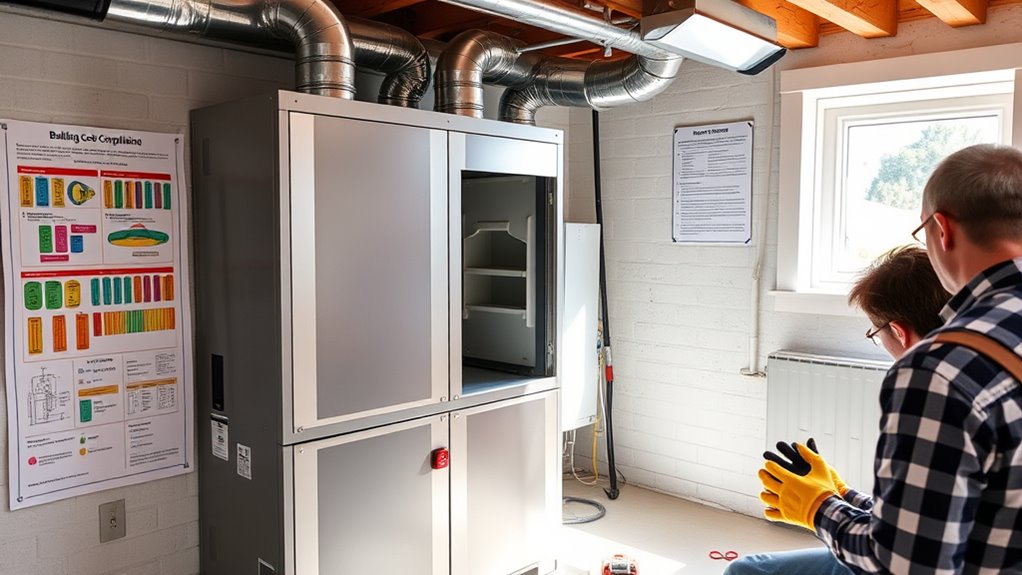
HVAC systems play a critical role in maintaining comfortable, safe, and energy-efficient buildings, but their design and installation are heavily influenced by building codes. These codes set the minimum requirements for safety standards and energy efficiency, ensuring that your HVAC system functions properly without compromising your safety or increasing energy costs. As a homeowner, understanding how building codes impact your HVAC system helps you make informed decisions during installation, upgrades, or repairs.
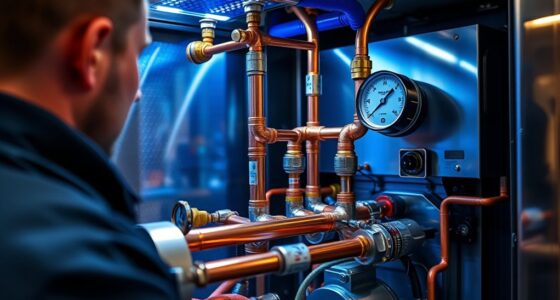
Building codes mandate specific safety standards to protect occupants from hazards such as fires, carbon monoxide leaks, and electrical faults. For example, codes require proper ventilation to prevent indoor air pollution and carbon monoxide buildup, which can be deadly if not correctly managed. They also specify the types and placement of electrical wiring and safety devices like circuit breakers to minimize the risk of electrical fires or shocks. When installing or replacing your HVAC system, these standards ensure that the equipment is safe to operate and compliant with local regulations, reducing the likelihood of future issues or costly fines.
Building codes ensure HVAC safety and compliance, preventing hazards like fires, carbon monoxide leaks, and electrical issues.
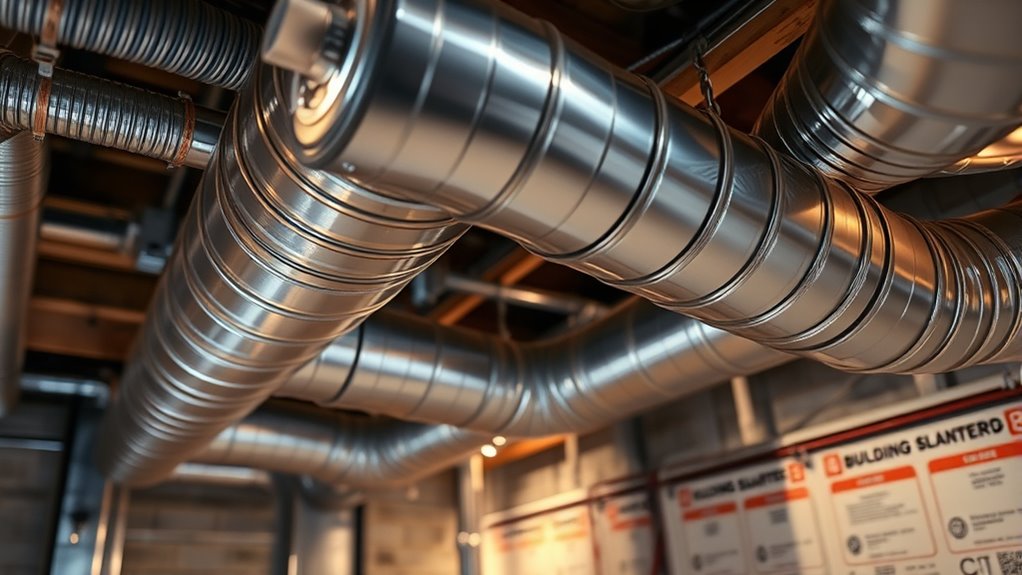
Energy efficiency is another essential aspect governed by building codes. They often establish guidelines for insulation, duct sealing, and energy-efficient equipment to help you reduce energy consumption and lower utility bills. For instance, codes may specify the minimum SEER (Seasonal Energy Efficiency Ratio) or AFUE (Annual Fuel Utilization Efficiency) ratings for air conditioners and furnaces. This means that your HVAC system must meet certain efficiency thresholds, ensuring you get the best performance without excessive energy use. Proper insulation and ventilation requirements also help minimize heat loss or gain, maintaining consistent indoor temperatures and reducing strain on your system.
Building codes also influence the sizing and placement of your HVAC equipment. Proper sizing is essential for energy efficiency and safety, preventing your system from overworking or underperforming, which can cause safety hazards or increase energy bills. Local codes often specify clearance distances from walls or ceilings to allow for safe maintenance and operation. These rules aim to maximize performance and safety, ensuring your system can operate efficiently without risking damage or safety concerns.
In essence, building codes serve as a blueprint that guides the safe, efficient design and installation of your HVAC system. As a homeowner, being aware of these regulations helps you advocate for compliance and quality work from contractors. It also ensures your system is not only effective at maintaining comfort but also adheres to safety standards and energy efficiency requirements, giving you peace of mind and long-term savings. Understanding building code compliance can also help prevent future legal or safety issues related to HVAC installation.

ALORAIR Whole House Dehumidifier, 90 PPD Commercial Grade Whole Home Dehumidifiers for Garages, Water Damage Restoration, 2300 Sq.Ft dehumidifiers for Crawl Space
Energy Efficient Whole House Dehumidifier: 90 pints per day at AHAM condition, 70 Pint at DOE, up to...
As an affiliate, we earn on qualifying purchases.
Frequently Asked Questions
Are There Specific HVAC Standards for Historic Buildings?
Yes, there are specific HVAC standards for historic buildings to preserve their character while maintaining effective climate control. You should prioritize historic preservation guidelines, which require careful integration of modern systems without damaging original features. It’s essential to work with specialists who understand these standards, ensuring your HVAC upgrades provide efficient climate control while respecting the building’s historic value. This approach helps balance preservation with contemporary comfort needs.
How Often Do Building Codes for HVAC Systems Change?
Building codes for HVAC systems change periodically, typically every few years, to reflect new technology and safety standards. You should stay informed about code updates in your area and be aware of compliance deadlines, as these updates can affect your system’s legality and efficiency. Regularly consulting local building authorities or HVAC professionals helps ensure your system meets current standards and avoids penalties or costly upgrades later.
Do Local Codes Differ Significantly From National HVAC Standards?
You’ll find that local codes often differ from national HVAC standards, with about 60% of regions implementing regional variations. These differences stem from climate, building practices, and safety priorities. Code enforcement varies too, so some areas strictly follow updates, while others are more relaxed. It’s essential to verify your local regulations to confirm your HVAC system complies, as local codes tailor standards to your specific region’s needs.
What Are Penalties for Non-Compliance With HVAC Building Codes?
If you don’t comply with HVAC building codes, you could face fines and citations, which may increase if violations persist. Non-compliance also exposes you to legal liabilities, potentially leading to costly repairs or modifications later. It’s essential to follow local codes to avoid these penalties and ensure your system operates safely and efficiently. Staying informed and working with licensed professionals helps you stay compliant and protect your investment.
Are There Incentives for Upgrading to Energy-Efficient HVAC Systems?
Imagine savings stacking up like a growing tower. You can benefit from rebate programs and tax incentives when you upgrade to energy-efficient HVAC systems. These incentives reduce your upfront costs and lower ongoing energy bills, making your home more comfortable and eco-friendly. Take advantage of available programs today, and turn your upgrade into a smart investment that pays off over time.

30 Pint Dehumidifier for Basement, 2500 Sq. Ft Dehumidifiers for Home with Drain Hose, 3 Modes, Smart Humidity Control, 24H Timer, 0.52 Gal Water Tank, for Whole House, Bedroom, Bathroom, Garage, Rv
Powerful 30-Pint Moisture Removal for Spaces up to 2500 Sq. Ft: High humidity can make rooms feel damp,...
As an affiliate, we earn on qualifying purchases.
Conclusion
Understanding HVAC systems and building codes is like steering through a complex maze—you might feel lost at first, but with the right knowledge, you can find your way. When a homeowner recently upgraded her system, she discovered that following codes saved her thousands in future repairs and ensured comfort year-round. Think of building codes as the map guiding you through that maze, helping you make informed decisions and avoid costly mistakes. Stay informed, stay compliant, and enjoy a safer, more efficient home.

Waykar 158 Pints Crawl Space Dehumidifier with Remote Control and Pump, Dual Duct HVAC Commercial Whole-House Dehumidifier for Basement, Industry Water Damage Unit - 5-Year Quality Coverage
【158 Pint Crawl Space Dehumidifier】The Waykar whole-house dehumidifier extracts up to 158 pints of water per day (under...
As an affiliate, we earn on qualifying purchases.

5000 Sq.Ft Energy Star Most Efficient 2024 Dehumidifier,DECIUU Max 100 Pint Dehumidifier for Basement with Drain Hose,Intelligent Humidity Control for Home Bathroom Garage Bedroom
Most Efficient 2024 Energy Star Dehumidifier: Tired of battling stubborn humidity? Our ENERGY STAR certified dehumidifier removes 70...
As an affiliate, we earn on qualifying purchases.