Properly sizing your heat pump involves accurate load calculations that consider your home’s insulation, size, and airflow needs. This guarantees your system runs efficiently, keeps your home comfortable, and prevents energy waste. An oversized unit can cycle frequently and wear out faster, while an undersized one struggles to heat or cool effectively. Getting these details right results in better performance and longevity. Keep exploring to discover how to optimize your system for maximum comfort and savings.
Key Takeaways
- Accurate load calculations consider insulation, home size, and climate to determine optimal heat pump capacity.
- Proper system sizing prevents overworking or underperforming, enhancing efficiency and comfort.
- Insulation quality significantly impacts load requirements, reducing energy use and improving system performance.
- Correct airflow and duct design ensure even temperature distribution and prevent short cycling.
- Proper sizing extends equipment lifespan, lowers energy bills, and maintains consistent indoor temperature year-round.

Properly sizing your HVAC system is essential to guarantee maximum efficiency and comfort. When you choose the right heat pump, considering factors like insulation importance and airflow optimization, you ensure your home stays comfortable year-round while keeping energy bills in check. Insulation plays a critical role in this process because it helps maintain consistent temperatures inside your home. If your insulation is poor, even a perfectly sized system might struggle to keep up, leading to inefficiencies and increased operational costs. On the other hand, good insulation reduces the load on your heat pump, allowing it to work less and last longer. That’s why evaluating your home’s insulation should be an initial step before calculating load requirements. Additionally, understanding the nutritional advantages of green juice can be analogous to ensuring your system is balanced; both require proper components working together for optimal performance.
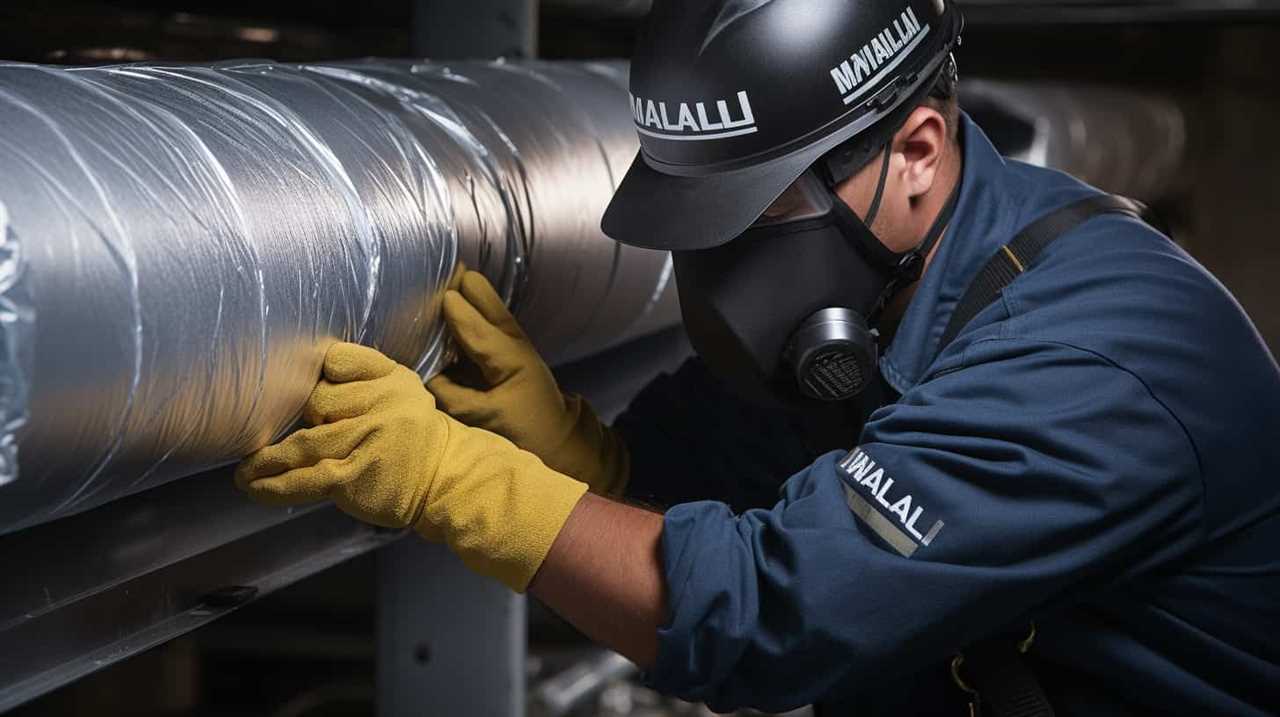
Airflow optimization is equally important in the sizing process. When your system is correctly sized, it can deliver the right amount of air to every room without overworking or underperforming. Proper airflow prevents hot or cold spots and ensures that your heat pump operates smoothly. If airflow is restricted due to blocked vents or duct issues, your system may cycle on and off frequently, reducing efficiency and increasing wear and tear. Conversely, oversized units can cause short cycling, wasting energy and causing uneven temperatures. Achieving airflow balance involves not only choosing a system with the right capacity but also designing a ductwork system that promotes even distribution of air. This ensures your heat pump runs efficiently, meeting your comfort needs without unnecessary energy consumption.
Sizing your heat pump correctly involves more than just basic calculations. It requires understanding the specific insulation levels of your home and the efficiency of your duct system. When these elements are aligned, your system can operate at its peak performance. Properly sized equipment reduces strain on the compressor and other components, extending the lifespan of your heat pump. Additionally, with optimized airflow and insulation, your system will reach your desired temperatures faster and maintain them with less effort. This combination of factors results in lower energy bills, fewer repairs, and a more comfortable living environment.

Westinghouse Natural Gas Tankless Water Heater Indoor Installation Max 7.9 GPM 180,000 BTU, WIFI Enable Temp Self Modulating Non Condensing High Efficiency for House or Commercial, APOLO Performance
【On-Demand Efficiency】 Westinghouse tankless water heater works only needed, saving energy and costs. Compact yet powerful for whole-home...
As an affiliate, we earn on qualifying purchases.
Frequently Asked Questions
How Often Should I Recalculate My Heat Pump’s Load?
You should recalculate your heat pump’s load every 5 to 10 years or whenever there’s a significant change in your home, like renovations or added insulation. Conducting a detailed load analysis guarantees your equipment remains compatible and efficient. Regular assessments help prevent issues like overworking or underperforming, saving you energy and costs. Keep an eye on seasonal shifts and updates to local building codes for ideal system performance.
What Are Signs My HVAC System Is Oversized?
You notice your heat pump short-cycles, turning on and off frequently, which is a clear sign of an oversized system. This mismatch causes temperature swings and reduces efficiency. Sizing errors often lead to system mismatches, so regular assessments help. For example, a homeowner in Texas experienced rapid cycling due to an oversized unit, costing more energy and causing discomfort. Always verify proper sizing to avoid these issues.
How Do Climate Changes Affect Load Calculations?
Climate variability impacts load calculations by causing unpredictable temperature swings, leading to load fluctuations. When the climate changes, you might find your heat pump undersized during hotter days or oversized during milder periods. These variations mean you need to regularly update your load calculations, accounting for shifting weather patterns, to make certain your HVAC system performs efficiently and maintains comfort year-round. Adjusting for climate changes helps optimize system sizing and energy use.
Can Improper Sizing Cause Energy Inefficiency?
Yes, improper sizing can cause energy waste and a system mismatch. If your heat pump is too small, it’ll run constantly, struggling to meet your heating or cooling needs, which wastes energy. Conversely, an oversized unit cycles on and off frequently, leading to inefficiency and added wear. Proper sizing guarantees your system works effectively, minimizes energy waste, and maintains comfort without unnecessary strain.
What Are Common Mistakes in Load Calculations?
Imagine trying to fit a puzzle piece that’s slightly too big or small—you miss the perfect fit. Common mistakes in load calculations include skipping a detailed load analysis, relying on rough estimates, and neglecting calibration techniques. These oversights can lead to under or oversizing, wasting energy, and reducing comfort. Always double-check your calculations with thorough analysis and proper calibration techniques to guarantee your heat pump performs at its best.

Canyon Lodge Large Pellet Stove
Heats up to 2,000-3,000 sq. ft.
As an affiliate, we earn on qualifying purchases.
Conclusion
Properly sizing your heat pump ensures ideal performance and energy efficiency. Some might worry it’s too complicated or costly, but investing time now prevents future issues like uneven heating or high utility bills. Accurate load calculations might seem intimidating, but with the right guidance, you’ll enjoy comfort and savings long-term. Don’t skip this step—it’s worth the effort to get your system just right, so you stay comfortable year-round without surprises.

Large Pellet Stove - 130lb Hopper
Built-in WiFi – Smart Home Technology
As an affiliate, we earn on qualifying purchases.

PelPro PP150 Pellet Stove for Home Heating - 150 lb Hopper, 49,200 BTU Heats up to 2,500 Sq. Ft., Easy-Dial Temp Control, Built-in Thermostat with Auto-Ignition, Powerful & Quiet 265CFM Blower
PP150 pellet stoves for fireplaces are efficient for home heating up to 2,500 sq. ft. at almost 50,000...
As an affiliate, we earn on qualifying purchases.