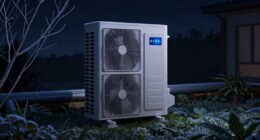
Are you seeking to optimize your heat pump’s effectiveness while lessening your environmental impact? Look no more!
In this article, we’ll show you how to boost your heat pump’s performance with the power of green energy. Imagine harnessing the sun’s rays or the wind’s power to heat and cool your home effectively.
We’ll explore renewable energy sources such as solar, wind, and geothermal, and provide practical tips on incorporating these solutions into your heat pump system.
Get ready to master energy-efficient heating and cooling!

Key Takeaways
- Green energy, such as solar and wind power, can significantly increase heat pump energy efficiency and reduce carbon footprint.
- Solar thermal systems and biomass heating are sustainable and environmentally friendly options for powering heat pumps.
- Incorporating solar power and wind energy into heat pump systems through photovoltaic panels and wind turbines can optimize energy utilization and reduce reliance on the grid.
- Geothermal heat pumps provide a cost-effective and energy-independent solution with high efficiency, long lifespan, and reduced reliance on fossil fuels.
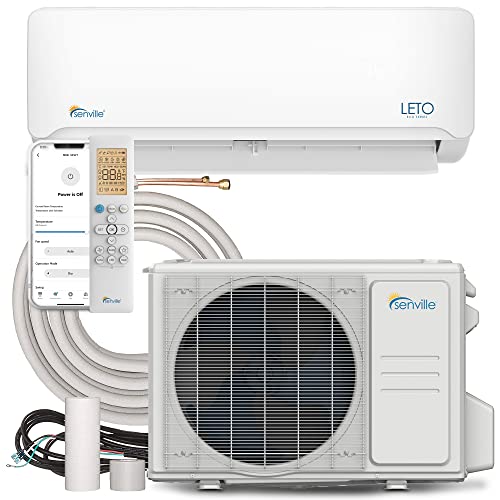
Senville LETO Series Mini Split Air Conditioner Heat Pump, 12000 BTU 110/120V, Inverter, Works with Alexa, SEER2 20.8, 1 Ton, White
Alexa Enabled Mini Split AC/Heating System: Integrate with voice control or app, allowing you to adjust your mini...
As an affiliate, we earn on qualifying purchases.
The Benefits of Green Energy for Heat Pump Efficiency
We can maximize our heat pump efficiency by harnessing the benefits of green energy. Green energy refers to renewable energy sources that have a minimal impact on the environment. By using green energy to power our heat pumps, we can significantly increase their energy efficiency while reducing our carbon footprint.
One of the key benefits of green energy is its ability to reduce greenhouse gas emissions, as it produces little to no carbon dioxide during generation. This not only helps to combat climate change but also improves the overall sustainability of our energy consumption.
Additionally, green energy sources such as solar and wind power are abundant and readily available, making them a reliable and cost-effective option for powering our heat pumps.
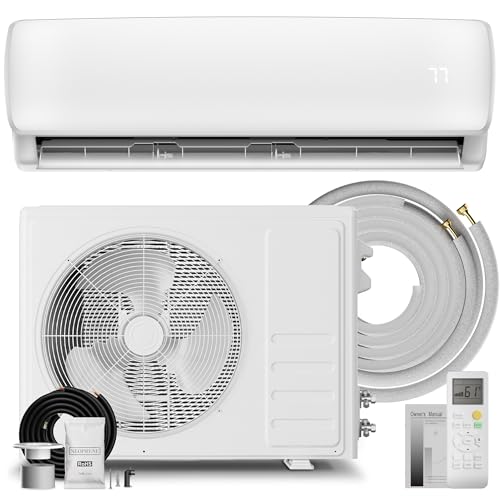
MEPTY 9000BTU Mini Split AC/Heating System, 19 SEER2 Energy Efficient Mini Split Air Conditioner with Heat Pump, 110V Cools Up to 450sq.ft, Ductless Inverter AC Unit with Pre-Charged Condenser
⭐Advanced Energy Saving: Advanced inverter technology with leading 19 SEER2 rating delivers superior performance through ensuring that the...
As an affiliate, we earn on qualifying purchases.
Exploring Renewable Energy Sources for Heat Pumps
To optimize our heat pump efficiency, let’s explore renewable energy sources and how they can be used to power our heat pumps. Renewable energy sources provide a sustainable and environmentally friendly solution for heating our homes.

Two renewable energy sources that can be harnessed for heat pump operation are solar thermal and biomass heating.
Solar Thermal:
Solar thermal systems use the energy from the sun to heat water or a heat transfer fluid.
This heated fluid can then be used to power a heat pump, increasing its efficiency.

By utilizing solar thermal energy, we can reduce our dependence on traditional electricity sources and lower our carbon footprint.
Biomass Heating:
Biomass heating involves burning organic materials, such as wood pellets or agricultural waste, to produce heat.
This heat can then be used to power a heat pump, providing a renewable and sustainable energy source.

Biomass heating not only reduces greenhouse gas emissions but also supports local economies by utilizing locally sourced biomass materials.

DELLA Motto Series Mini Split AC, 208-230V 17.5 SEER2 Cools up to 550 Sq.Ft, 12000 BTU Air Conditioner & Heater with 1 Ton Pre-Charged Heat Pump, Works with Alexa and WiFi
QUIET OPERATION & INSTALLATION: This system mandates professional installation as it's not a DIY mini split AC. This...
As an affiliate, we earn on qualifying purchases.
How to Incorporate Solar Power Into Your Heat Pump System
By regularly utilizing solar power in conjunction with our heat pump system, we can significantly increase its efficiency.
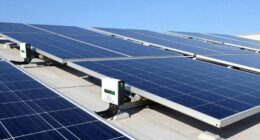
One effective way to incorporate solar power into our heat pump system is by integrating photovoltaic panels. These panels convert sunlight into electricity, which can then be used to power the heat pump.
When installing the panels, it’s important to consider their placement and orientation for optimizing solar output. Placing them in a location with maximum sunlight exposure and angling them towards the sun can ensure that they generate the most electricity.

Additionally, it’s beneficial to connect the panels to a battery storage system, allowing any excess energy generated during the day to be stored and used during times when the sun isn’t shining.

Nexaro 12000BTU Mini Split Air Conditioner& Heater, 17 SEER2 𝟏𝟏𝟓𝐕 Wall-Mounted AC Unit Cools Rooms up to 750 Sq. Ft, Energy Efficient Inverter AC with Heat Pump
𝗜𝗻𝘁𝗲𝗹𝗹𝗶𝗴𝗲𝗻𝘁 𝗜𝗻𝘃𝗲𝗿𝘁𝗲𝗿 𝗘𝗳𝗳𝗶𝗰𝗶𝗲𝗻𝗰𝘆: Enjoy significant energy savings year-round with advanced inverter technology. This AHRI Certified system precisely adjusts...
As an affiliate, we earn on qualifying purchases.
Harnessing Wind Energy to Boost Heat Pump Performance
With the right equipment and strategic placement, we can effectively harness wind energy and use it to enhance the performance of our heat pump system. By installing wind turbines near our heat pump, we can tap into the power of the wind and convert it into electricity that can be used to run the heat pump.
Here are two ways to integrate wind energy into our heat pump system:
Utilize a wind turbine installation: Install a wind turbine close to our heat pump system to capture the maximum amount of wind energy. This will allow us to generate electricity that can power the heat pump, reducing our reliance on the grid and lowering our carbon footprint.

Combine wind and solar power: By combining wind and solar power, we can create a hybrid system that maximizes the use of renewable energy. During periods of low wind or at night, the solar panels can continue to provide electricity to the heat pump, ensuring uninterrupted operation.
Geothermal Energy: A Sustainable Solution for Heat Pump Efficiency
When it comes to improving the efficiency of our heat pump system, geothermal energy offers a sustainable solution. Geothermal heat pumps utilize the Earth’s natural heat to provide heating, cooling, and hot water for residential and commercial buildings. This technology relies on the fact that the temperature below the Earth’s surface remains relatively constant throughout the year.
By harnessing this stable heat source, geothermal heat pumps can achieve higher energy efficiency compared to traditional heating and cooling systems. The efficiency of geothermal heat pumps is measured by their coefficient of performance (COP), which represents the ratio of heat output to the amount of energy input. Typically, geothermal heat pumps have a COP of 3 to 4, meaning they produce three to four units of heat for every unit of electricity consumed.
This high efficiency is achieved by transferring heat to and from the ground, which requires less energy compared to systems that generate heat or cool air. In addition to being highly efficient, geothermal heat pumps also have a long lifespan and require minimal maintenance.
Frequently Asked Questions
What Is the Average Cost of Installing a Heat Pump System That Incorporates Solar Power?
The average cost of installing a heat pump system that incorporates solar power depends on various factors, such as the size of the system and any additional equipment required. The installation process involves connecting the solar panels to the heat pump and ensuring proper integration for maximum efficiency.
Are There Any Government Incentives or Tax Credits Available for Homeowners Who Invest in Renewable Energy Sources for Their Heat Pump Systems?
Yes, there are government incentives and tax credits available for homeowners who invest in renewable energy sources for their heat pump systems. These incentives and credits help boost efficiency and make green energy more affordable.
Can Wind Energy Be Harnessed Effectively in All Geographical Locations to Boost Heat Pump Performance?
Wind energy limitations and solar power efficiency vary based on geographical location. It’s important to assess the potential for harnessing wind energy effectively to boost heat pump performance.
How Does Geothermal Energy Compare to Other Renewable Energy Sources in Terms of Cost and Efficiency for Heat Pump Systems?
Geothermal energy comparison to other renewable sources for heat pump efficiency is important. Cost and efficiency vary depending on factors like location and system design. Understanding these differences can help optimize energy savings.

Are There Any Potential Drawbacks or Limitations to Using Green Energy Sources in Conjunction With Heat Pump Systems?
There can be potential drawbacks and limitations to integrating green energy sources with heat pump systems. It is important to consider the challenges and disadvantages in order to optimize the benefits and advantages.
How Can Green Energy Practices Improve the Refrigeration Cycle of a Heat Pump?
Green energy practices play a vital role in the heat pump efficiency optimization for refrigeration cycles. By integrating renewable energy sources like solar or geothermal, the heat pump can utilize clean energy to power its operation, reducing carbon emissions. This not only enhances the environmental impact but also improves the overall efficiency of the system. Implementing green energy practices enables heat pumps to operate at higher efficiencies, providing cost savings and contributing to a sustainable future.
How Can Green Energy Increase the Efficiency of Heat Pump HVAC Systems?
Green energy can significantly enhance the stunning efficiency of heat pump hvac systems. By utilizing renewable energy sources like solar or geothermal power, these systems become more sustainable and cost-effective. Green energy reduces dependence on fossil fuels, decreases carbon emissions, and lowers operating costs in the long run. Implementing green technologies is essential to achieve a cleaner and more efficient future for heat pump HVAC systems.
Conclusion
In conclusion, incorporating green energy sources such as solar power, wind energy, and geothermal energy into your heat pump system can significantly boost efficiency.
These renewable energy sources act as a catalyst, propelling your heat pump’s performance like a gust of wind filling its sails.
By harnessing the power of nature, you not only reduce your carbon footprint but also optimize your heat pump’s efficiency, saving both money and the environment in the process.