
A lifecycle analysis shows that manufacturing and disposal markedly impact the environmental sustainability of renewable-powered heat pumps. Extracting materials, producing components, and managing end-of-life disposal all require energy, often from fossil fuels, and can release hazardous substances. Recycling complexities and improper disposal risk environmental contamination. By understanding these phases, you can better appreciate how sustainable practices and advanced recycling methods help reduce overall impacts. Keep exploring to learn how improvements are shaping greener heat pump solutions.
Key Takeaways
- Lifecycle analysis evaluates environmental impacts from raw material extraction, manufacturing, use, and end-of-life disposal of heat pumps.
- Manufacturing energy consumption and resource use significantly influence the carbon footprint of renewable-powered heat pumps.
- Recycling challenges stem from complex components and hazardous substances, affecting end-of-life environmental outcomes.
- Proper disposal and recycling protocols are essential to prevent soil and water contamination from hazardous materials.
- Sustainable lifecycle management optimizes resource use and minimizes environmental impacts throughout a heat pump’s lifespan.
Have you ever wondered how renewable-powered heat pumps impact the environment over their entire lifespan? It’s a question worth exploring, especially as these systems become more common in efforts to reduce carbon emissions. From manufacturing to disposal, each stage influences the environment in different ways. During manufacturing impacts, the extraction of raw materials and production processes play a significant role. Producing the components, such as compressors, heat exchangers, and electronic controls, requires energy—often sourced from fossil fuels—contributing to greenhouse gas emissions. Additionally, manufacturing can generate waste and involve the use of hazardous substances, which, if not managed properly, may lead to soil and water contamination. The sourcing of rare metals and other materials needed for these systems can also put pressure on natural resources and ecosystems. As a result, the environmental footprint of manufacturing impacts is a critical consideration when evaluating the overall sustainability of renewable-powered heat pumps. Moreover, understanding the cultural significance of indigenous communities can be essential when developing sustainable practices that respect local traditions and land rights. Recycling challenges add another layer to the environmental impact. At the end of a heat pump’s life, recycling the device becomes essential to minimize waste and recover valuable materials. However, the complexity of modern heat pump systems can make recycling difficult. Disassembling units requires specialized processes to safely extract refrigerants, electronic components, and metals, which often contain hazardous substances. If not properly recycled, these materials can leach into the environment, causing pollution and health risks. Furthermore, the lack of standardized recycling infrastructure in some regions hampers efforts to reclaim materials efficiently. This means that, despite being powered by renewable energy during operation, the disposal phase still poses environmental challenges. Improving recycling technologies and establishing clear protocols are crucial steps to mitigate these issues, ensuring that the full lifecycle of heat pumps aligns with sustainability goals.
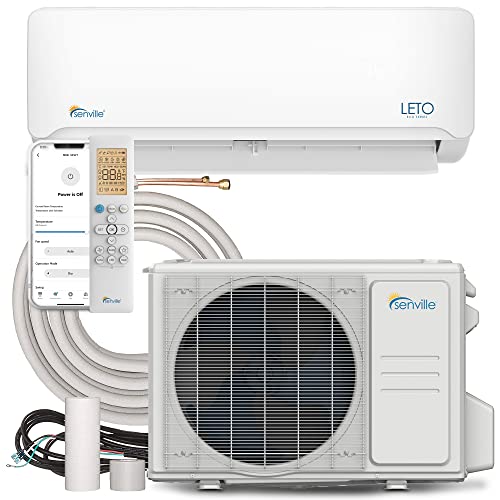
Senville LETO Series Mini Split Air Conditioner Heat Pump, 12000 BTU 110/120V, Inverter, Works with Alexa, SEER2 20.8, 1 Ton, White
Alexa Enabled Mini Split AC/Heating System: Integrate with voice control or app, allowing you to adjust your mini...
As an affiliate, we earn on qualifying purchases.
Frequently Asked Questions
How Do Renewable-Powered Heat Pumps Compare in Cost to Traditional Systems?
You’ll find that renewable-powered heat pumps generally have a higher initial cost compared to traditional systems, but their cost comparison improves over time due to lower operating expenses. They’re often more economically feasible in the long run, especially with incentives and rising energy prices. While the upfront investment might seem steep, the savings on energy bills and environmental benefits make renewable-powered heat pumps a smart, cost-effective choice for sustainable heating.
What Are the Main Challenges in Manufacturing Renewable-Powered Heat Pumps?
You face challenges in manufacturing renewable-powered heat pumps mainly due to supply chain issues and ensuring component durability. Securing high-quality, eco-friendly materials can be difficult, causing delays and increased costs. Additionally, designing components that withstand long-term use in diverse environments is complex. These factors require careful planning and innovation to produce reliable, efficient systems that meet environmental goals while managing production constraints effectively.
How Can End-Of-Life Disposal of Heat Pumps Be Environmentally Managed?
Think of end-of-life disposal as tending a garden. You can recycle methods like shredding and reprocessing to turn old parts into new treasures, just as compost enriches soil. Manage hazardous materials carefully, like pruning away harmful branches, ensuring they don’t harm the environment. Proper disposal prevents pollution and conserves resources, helping your heat pump’s lifecycle come full circle with minimal environmental impact.
What Policies Influence the Adoption of Renewable-Powered Heat Pumps Globally?
You can promote the adoption of renewable-powered heat pumps by supporting policies like carbon pricing and subsidy programs. Carbon pricing incentivizes reducing emissions, making renewable heat pumps more attractive financially. Subsidy programs lower upfront costs, encouraging consumers and businesses to choose cleaner options. When governments implement these policies, they create a favorable environment that accelerates the shift to sustainable heating solutions worldwide.
How Do Seasonal Variations Affect the Efficiency of Renewable-Powered Heat Pumps?
Seasonal performance markedly impacts the efficiency of renewable-powered heat pumps, as climate variability causes fluctuations in temperature. During colder months, these pumps work harder, reducing efficiency, while warmer seasons enhance performance. You should consider climate variability when planning installations, as it influences energy consumption and operational costs. To optimize efficiency year-round, incorporate supplementary heating or advanced technology that adapts to seasonal changes, ensuring consistent performance regardless of seasonal variations.

DELLA Motto Series Mini Split AC, 208-230V 17.5 SEER2 Cools up to 550 Sq.Ft, 12000 BTU Air Conditioner & Heater with 1 Ton Pre-Charged Heat Pump, Works with Alexa and WiFi
QUIET OPERATION & INSTALLATION: This system mandates professional installation as it's not a DIY mini split AC. This...
As an affiliate, we earn on qualifying purchases.
Conclusion
By choosing renewable-powered heat pumps, you’re supporting a greener future. Did you know they can reduce household carbon emissions by up to 50% compared to conventional systems? This significant impact proves how your decision can make a real difference in fighting climate change. Embracing these sustainable solutions not only benefits the environment but also helps you save on energy costs in the long run. Every step toward renewables counts—your choice matters.
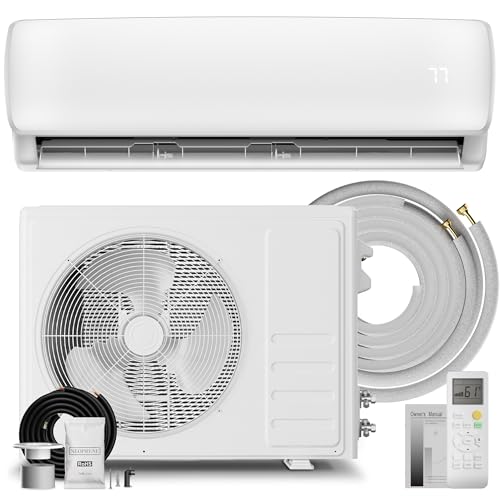
MEPTY 9000BTU Mini Split AC/Heating System, 19 SEER2 Energy Efficient Mini Split Air Conditioner with Heat Pump, Cools Up to 450sq.ft, Ductless Inverter AC Unit with Pre-Charged Condenser
⭐Advanced Energy Saving: Advanced inverter technology with leading 19 SEER2 rating delivers superior performance through ensuring that the...
As an affiliate, we earn on qualifying purchases.

Jackery Portable Power Station Explorer 300, 293Wh Backup Lithium Battery, Solar Generator for Outdoors Camping Travel Hunting Blackout (Solar Panel Optional)
SPEED UP YOUR RECHARGEABILITY: It takes only 2 hours to recharge 80% battery of the power station through...
As an affiliate, we earn on qualifying purchases.