
Retrofitting your hotel with high-efficiency heat pump systems, especially geothermal ones, can substantially lower your energy costs and boost your property’s sustainability. These systems leverage stable underground temperatures for reliable heating and cooling year-round, reducing operational expenses and environmental impact. Proper installation, maintenance, and staff training are essential for peak performance and longevity. If you’re interested, you’ll find more insights on how these innovative solutions can transform your hotel’s energy management.
Key Takeaways
- Evaluate geothermal potential and site-specific conditions before installing ground loops for optimal heat exchange.
- Design system layouts to maximize efficiency and ensure seamless integration with existing hotel infrastructure.
- Train staff on system operation, maintenance protocols, and troubleshooting to maintain high performance.
- Regularly inspect and maintain ground loops, filters, and controls to prolong system lifespan and efficiency.
- Highlight long-term cost savings and sustainability benefits to justify retrofit investments to stakeholders.

Retrofitting hotels with high-efficiency heat pump systems offers a practical way to reduce energy consumption and lower operating costs. One of the most effective strategies involves geothermal integration, which taps into the Earth’s stable underground temperature to provide reliable heating and cooling. By incorporating geothermal heat pump systems, you can substantially cut down on traditional energy use, as these systems leverage the Earth’s natural thermal energy. This integration not only enhances efficiency but also extends the lifespan of your equipment due to the steady underground temperature, making it a smart investment for long-term savings.
Retrofitting hotels with geothermal heat pumps enhances efficiency and extends equipment lifespan through stable underground temperatures.
When considering geothermal integration, it’s vital to assess your property’s geothermal potential and plan your installation carefully. The process involves installing ground loops—either vertical or horizontal—and connecting them to your heat pump system. This setup requires meticulous design to maximize heat exchange and guarantee maximum efficiency. Once installed, geothermal systems operate with minimal fluctuations, offering consistent performance regardless of external weather conditions. This consistency translates into lower energy bills and a more sustainable operation, aligning with eco-conscious guest expectations and reducing your hotel’s carbon footprint.
However, every high-efficiency heat pump system, including geothermal ones, demands regular maintenance to keep it running smoothly. Establishing clear maintenance protocols is essential to prolong system lifespan and efficiency. These protocols should include routine inspections of ground loops, checking for leaks, debris, or corrosion, and ensuring that the refrigerant levels are maintained properly. Filters and air handlers also need regular cleaning or replacement to prevent dust buildup that can impair airflow and reduce efficiency. Additionally, monitoring the system’s performance through digital controls can alert you to potential issues early, avoiding costly repairs and downtime. Proper maintenance protocols are crucial for keeping your geothermal system operating at peak performance and ensuring long-term savings.
Proper maintenance protocols also involve training your staff to recognize signs of system malfunction and scheduling professional inspections at recommended intervals. This proactive approach minimizes unexpected breakdowns and keeps your hotel operating at peak efficiency. As part of your protocols, consider documenting maintenance activities and creating schedules for routine tasks, such as inspecting electrical connections or verifying thermostat calibration. This organized approach ensures that every component of your heat pump system, including geothermal integration elements, remains in prime condition.
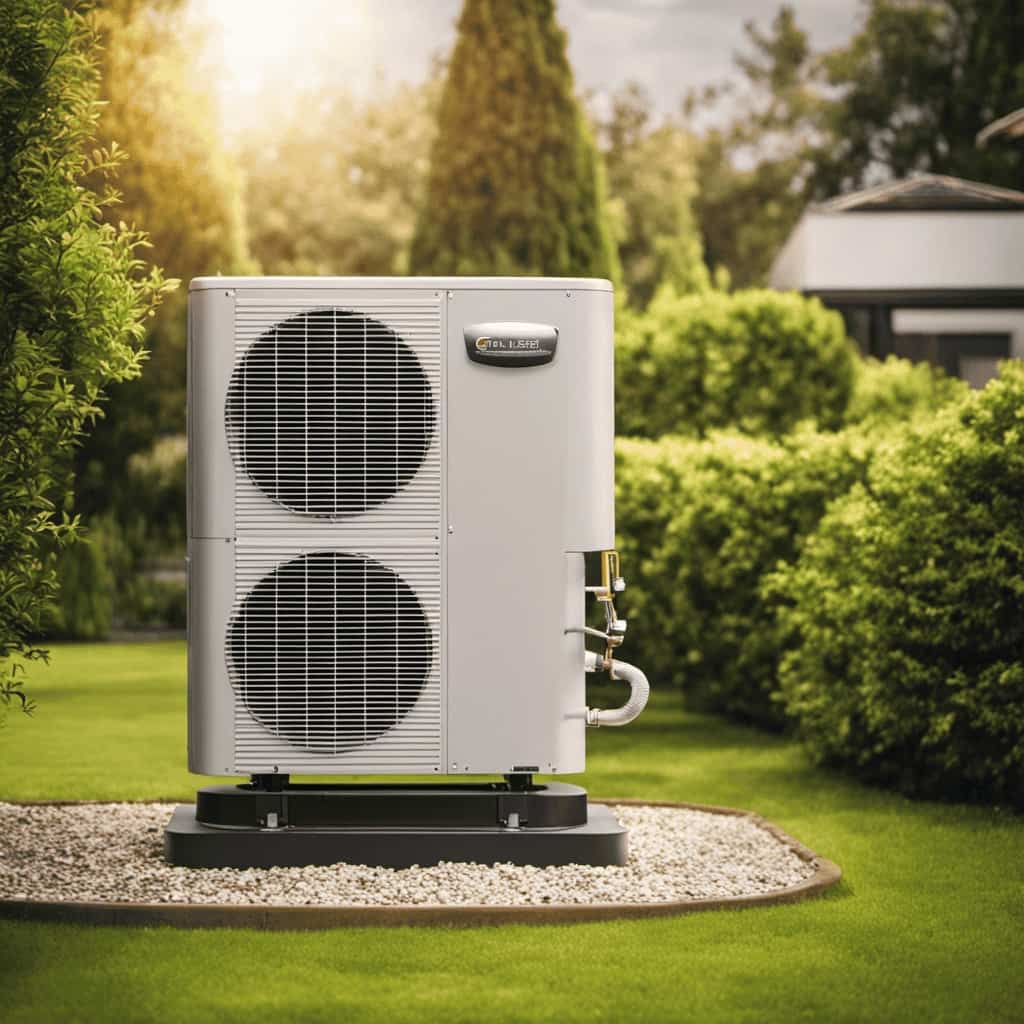
geothermal heat pump system for hotels
As an affiliate, we earn on qualifying purchases.
As an affiliate, we earn on qualifying purchases.
Frequently Asked Questions
What Are the Typical Costs Associated With Hotel Heat Pump Retrofits?
The costs for hotel heat pump retrofits vary based on your property’s size, existing system complexity, and the quality of equipment chosen. A thorough cost analysis helps you understand pricing factors like equipment, installation, and potential incentives. Expect to pay anywhere from $10,000 to $50,000 or more per building, depending on these variables. Planning carefully guarantees you get the best value and long-term energy savings.
How Long Does It Take to Complete a Hotel Retrofit Project?
You might wonder how long a hotel retrofit takes, and the answer depends on your retrofit planning and project scheduling. Typically, it can span from a few months to over a year, depending on hotel size and complexity. Careful coordination guarantees minimal disruptions, but delays are possible. Staying flexible and organized helps you complete the project efficiently, turning your upgrade into a smooth, timely transformation.
Are There Specific Brands or Models Recommended for Hotel Applications?
You should consider brand recommendations like Mitsubishi, Daikin, or Trane for hotel applications, as they offer reliable, high-efficiency heat pump models. When doing model comparisons, look for units with advanced inverter technology, ENERGY STAR certification, and suitable capacities for your hotel’s size. These brands are known for durability and performance, helping you optimize energy savings and guest comfort. Always review specifications to match your specific retrofit needs.
What Funding or Incentives Are Available for Retrofitting Hotels?
Did you know that many hotels can save up to 30% on energy costs with retrofitting? You may be eligible for financial incentives and government grants that support upgrading to high-efficiency heat pump systems. These programs aim to reduce your upfront costs and make sustainability affordable. Check with local and federal agencies, as well as utility providers, to find available grants and incentives tailored for your hotel’s retrofit project.
How Do Heat Pumps Impact Hotel Guest Comfort and Noise Levels?
Heat pumps enhance guest comfort by providing consistent, efficient heating and cooling, ensuring a pleasant stay. While they can produce some noise, modern models incorporate noise mitigation features like sound insulation and quieter compressors, minimizing disturbance. You’ll find that, with proper installation and maintenance, heat pumps operate quietly enough not to impact guest experiences, making them an excellent choice for sustainable and comfortable hotel environments.

VEVOR flushing kit for tankless hot water heater, Includes Efficient Pump & 5 Gallon Pail & 2 Hoses & Descaling Powder, Wrench and Adapter for Quick Install Easy to Start, Water Heater Flush Kit
Powerful Performance: The submersible pump boasts a high power of 1/3 HP, with a pump speed of 1980…
As an affiliate, we earn on qualifying purchases.
As an affiliate, we earn on qualifying purchases.
Conclusion
Retrofitting your hotel with high-efficiency heat pump systems isn’t just future-proofing; it’s like installing a Da Vinci code in your energy management. You’ll save on costs, reduce your carbon footprint, and provide guests with a cozy stay. Think of it as giving your building a modern suit of armor, ready to face any climate challenge. Embrace this upgrade now, and watch your hotel become a shining example of sustainable innovation in a world that’s increasingly greener.

Shallow Geothermal Energy: Theory and Application (Springer Hydrogeology)
As an affiliate, we earn on qualifying purchases.
As an affiliate, we earn on qualifying purchases.

The Management of Maintenance and Engineering Systems in the Hospitality Industry (Wiley Service Management Series)
As an affiliate, we earn on qualifying purchases.
As an affiliate, we earn on qualifying purchases.