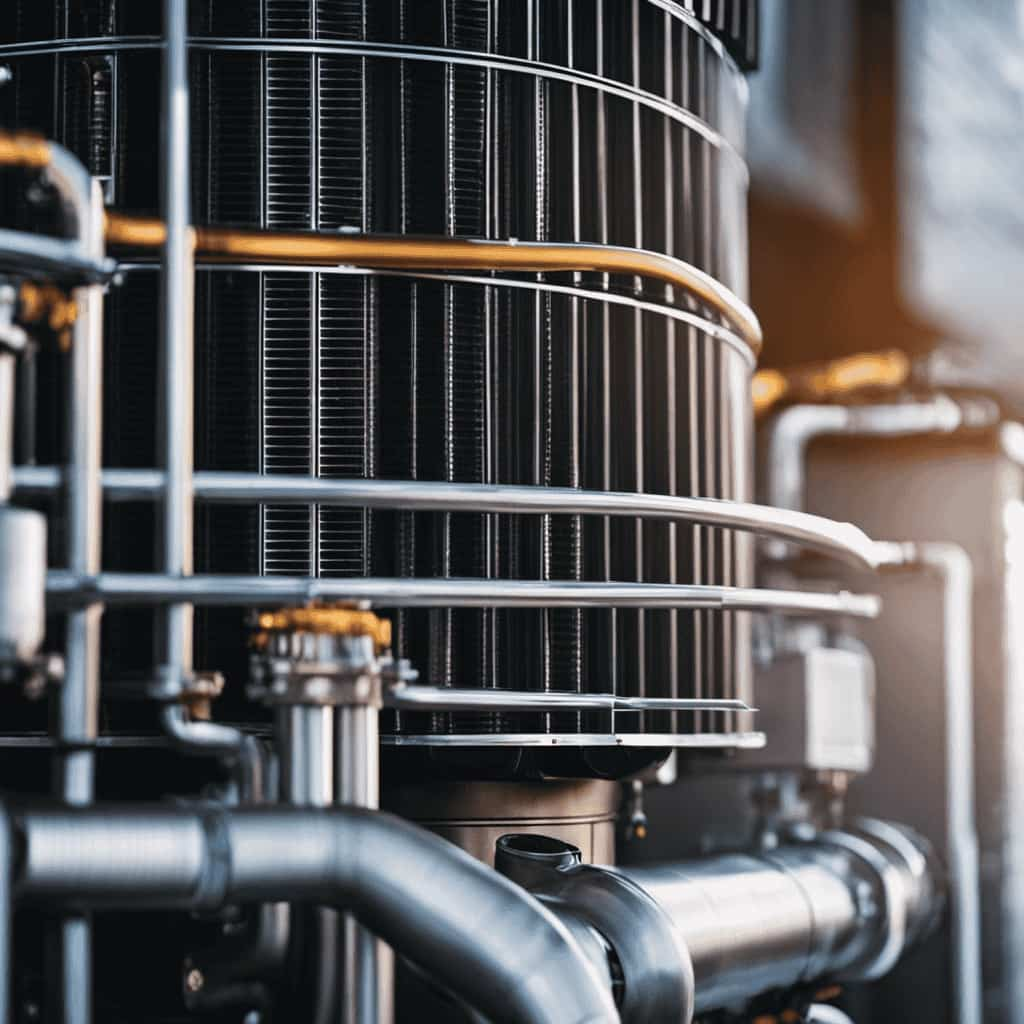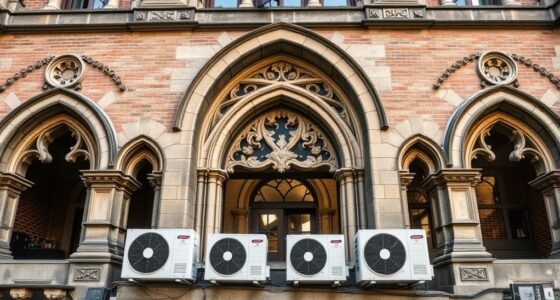
Micro heat pump systems are ideal for tiny homes, offering compact and energy-efficient heating and cooling solutions. They help you maintain a comfortable environment while saving on energy costs. These systems often use eco-friendly refrigerants like R-410A and R-32, which perform well even in colder climates. Choosing the right system and refrigerant can optimize efficiency and reduce environmental impact. Keep exploring, and you’ll discover how to select the best setup for your tiny home needs.
Key Takeaways
- Micro heat pump systems offer compact, energy-efficient heating and cooling solutions tailored for tiny home environments.
- High efficiency ratings like SEER and HSPF reduce energy consumption and lower operating costs.
- Eco-friendly refrigerants such as R-410A and R-32 provide environmentally sustainable options with better cold climate performance.
- Selecting the right refrigerant enhances system efficiency, reduces environmental impact, and complies with local regulations.
- These systems enable reliable climate control, conserving space and power in small-scale living spaces.
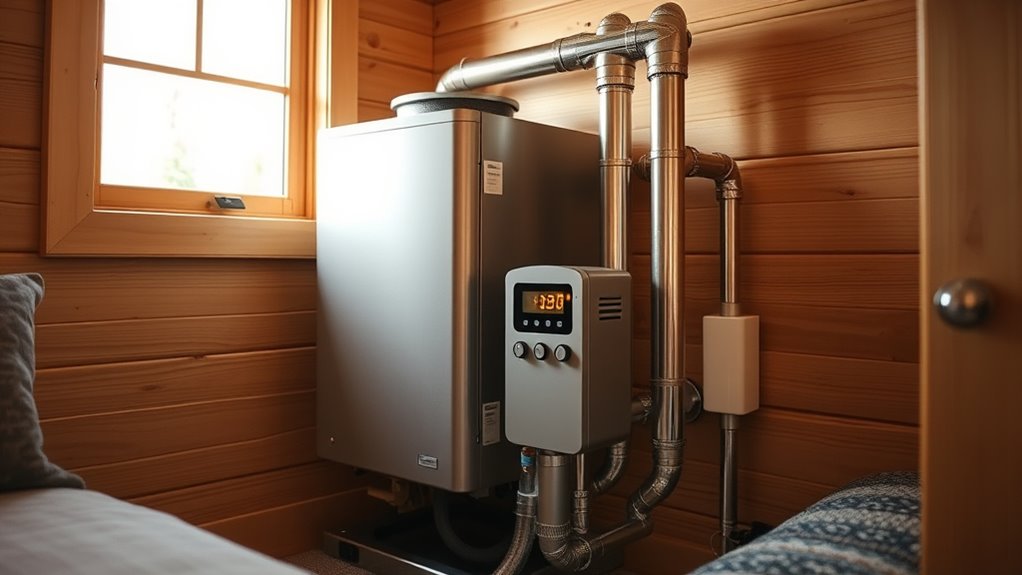
Micro heat pump systems are compact, energy-efficient solutions designed to provide heating and cooling in small-scale applications. When you’re considering these systems for your tiny home, understanding heat pump efficiency is key. A more efficient heat pump consumes less electricity to produce the same amount of warmth or coolness, which is especially important in small spaces where energy conservation matters. You’ll want to look for models with high Seasonal Energy Efficiency Ratio (SEER) and Heating Seasonal Performance Factor (HSPF) ratings. These metrics tell you how well the system converts electrical energy into heating or cooling, so opting for units with higher ratings ensures you get the best performance with lower running costs.
Another critical aspect is the refrigerant types used within these systems. Refrigerants are the fluids responsible for transferring heat — absorbing it in cooling mode and releasing it in heating mode. Modern micro heat pumps often use environmentally friendly refrigerants like R-410A or R-32, which have lower global warming potential compared to older types such as R-22. Choosing a system with the right refrigerant is essential because it impacts not only the system’s efficiency but also its environmental footprint. Keep in mind that some refrigerants perform better in colder climates, maintaining high efficiency even when outdoor temperatures drop. This is especially relevant for tiny homes that might be situated in regions with varying weather conditions.
Choosing eco-friendly refrigerants like R-410A or R-32 enhances efficiency and reduces environmental impact in tiny home heat pumps.
You’ll find that refrigerant types also influence the design and size of the heat pump. For example, systems using newer refrigerants can often operate more efficiently at lower temperatures, reducing the need for auxiliary heating sources. This directly enhances heat pump efficiency and helps you save on energy bills. Additionally, the compatibility of refrigerant types with your local regulations and environmental standards should be considered. Manufacturers are increasingly adopting eco-friendly refrigerants to meet these standards, so choosing the right refrigerant type can future-proof your investment. Being aware of headphone jack types can also be useful if you plan to listen to audio while managing your system remotely.
In essence, when selecting a micro heat pump system for your tiny home, prioritize systems with high heat pump efficiency ratings and modern refrigerant types. This combination ensures you get a reliable, cost-effective, and environmentally conscious heating and cooling solution. By understanding how refrigerant choices impact performance, you can make smarter decisions that lead to long-term savings and comfort. With the right system, your tiny home can stay cozy during winter and cool during summer, all while minimizing energy consumption and environmental impact.
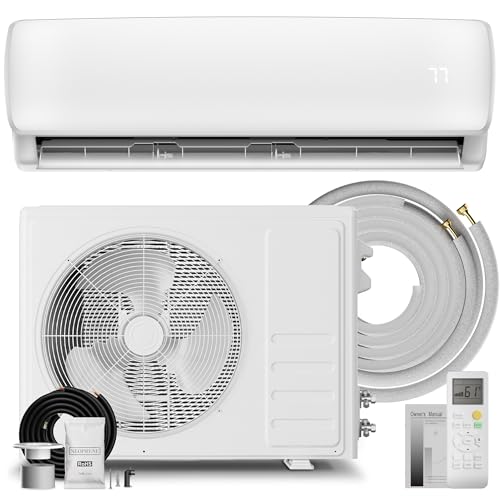
MEPTY 9000BTU Mini Split AC/Heating System, 19 SEER2 Energy Efficient Mini Split Air Conditioner with Heat Pump, 110V Cools Up to 450sq.ft, Ductless Inverter AC Unit with Pre-Charged Condenser
⭐Advanced Energy Saving: Advanced inverter technology with leading 19 SEER2 rating delivers superior performance through ensuring that the...
As an affiliate, we earn on qualifying purchases.
Frequently Asked Questions
How Do Micro Heat Pump Systems Compare to Traditional Heating Methods?
Micro heat pump systems are more energy-efficient and cost-effective than traditional heating methods. They use less electricity, which lowers your energy bills, and can provide consistent warmth even in colder weather. Since they extract heat from the outside air, they’re environmentally friendly and help you save money over time. You’ll enjoy reliable comfort while reducing your energy consumption, making micro heat pumps an excellent choice for tiny homes.
What Are the Initial Installation Costs for Tiny Home Systems?
The initial installation costs for tiny home micro heat pump systems might feel like a fortune, but a proper cost estimation shows it’s more manageable than you think. Expect to spend a bit more upfront due to installation challenges, such as limited space and setup adjustments. However, these costs often balance out with long-term energy savings, making it a smart investment for sustainable, efficient heating.
Can These Systems Operate Efficiently in Extremely Cold Climates?
Yes, micro heat pump systems can operate efficiently in extremely cold climates. They’re designed for climate adaptability, using advanced technology to optimize energy retention even in low temperatures. These systems pull heat from the outside air and maintain consistent indoor warmth. While efficiency may slightly decrease in severe cold, proper insulation and system sizing help guarantee reliable performance, keeping your tiny home warm and energy-efficient year-round.
What Maintenance Is Required for Micro Heat Pump Units?
You need to regularly check your micro heat pump units for filter replacement and refrigerant levels to keep them running efficiently. Change the filters every few months to prevent dust buildup, and verify refrigerant levels are adequate—low refrigerant can reduce heating efficiency. Additionally, keep the outdoor unit clear of debris and schedule professional inspections annually. Proper maintenance helps your system operate smoothly and extends its lifespan.
Are Micro Heat Pump Systems Environmentally Sustainable?
Think of micro heat pump systems as tiny eco-warriors, fighting to reduce your carbon footprint. They’re powered by renewable energy sources, making them environmentally sustainable choices. By using less electricity and efficiently transferring heat, they help lower greenhouse gas emissions. So, when you opt for these systems, you’re supporting a greener planet, turning your home into a small but powerful step toward sustainability.
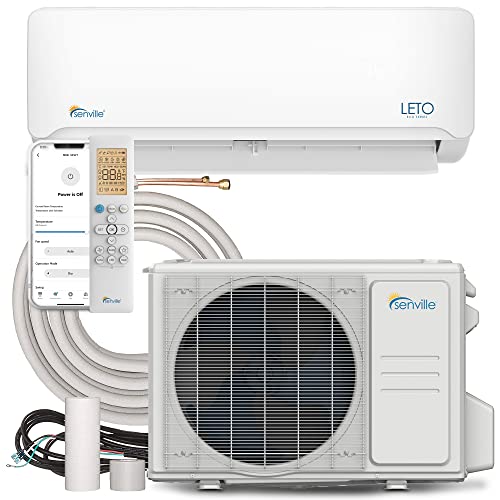
Senville LETO Series Mini Split Air Conditioner Heat Pump, 12000 BTU 110/120V, Inverter, Works with Alexa, SEER2 20.8, 1 Ton, White
Alexa Enabled Mini Split AC/Heating System: Integrate with voice control or app, allowing you to adjust your mini...
As an affiliate, we earn on qualifying purchases.
Conclusion
Micro heat pump systems are a game-changer for tiny homes, offering efficient heating and cooling in a compact design. Did you know that these systems can reduce energy consumption by up to 50% compared to traditional options? That means lower bills and a smaller carbon footprint for your tiny home. Embracing this technology not only saves you money but also helps protect the environment—making your tiny living experience smarter and more sustainable.

DELLA Motto Series Mini Split AC, 208-230V 17.5 SEER2 Cools up to 550 Sq.Ft, 12000 BTU Air Conditioner & Heater with 1 Ton Pre-Charged Heat Pump, Works with Alexa and WiFi
QUIET OPERATION & INSTALLATION: This system mandates professional installation as it's not a DIY mini split AC. This...
As an affiliate, we earn on qualifying purchases.
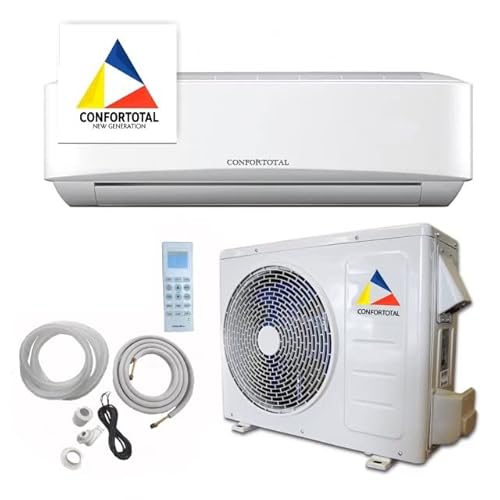
Confortotal 12000 BTU Mini Split Air Conditioner and Heat Pump 110V Ductless,1 ton,with WIFI Compatible with Alexa
Confortotal mini split with wifi compatible with Alexa & Google
As an affiliate, we earn on qualifying purchases.