If you’re looking for the best geothermal heat pump thermostats in 2025, I recommend models like the Emerson 1F83H-21PR, Honeywell RTH7600D, and ecobee Smart Thermostat Enhanced. These devices offer precise control, smart features, and energy-saving capabilities, perfect for optimizing your home’s heating system. They support various HVAC setups and include remote connectivity options. To find out which one fits your needs best, explore the key features and compatibility details below.
Key Takeaways
- Compatibility with geothermal heat pump systems and multi-stage heating capabilities ensures optimal efficiency.
- Features like remote control, smart learning, and energy monitoring optimize home heating performance.
- Easy installation with wiring support and accessories like C-wire adapters simplifies setup for geothermal setups.
- Reliable operation with precise temperature control within ±1°F enhances comfort and system efficiency.
- Integration with smart home platforms and automation helps maximize energy savings and user convenience.

White-Rodgers Emerson 1F83H-21NP Heat Pump (2H/1C) Non-Programmable Thermostat
EASY INSTALLATION: With a built-in level, straightforward set-up menu and standard footprint
As an affiliate, we earn on qualifying purchases.
Emerson 1F83H-21NP Heat Pump (2H/1C) Non-Programmable Thermostat
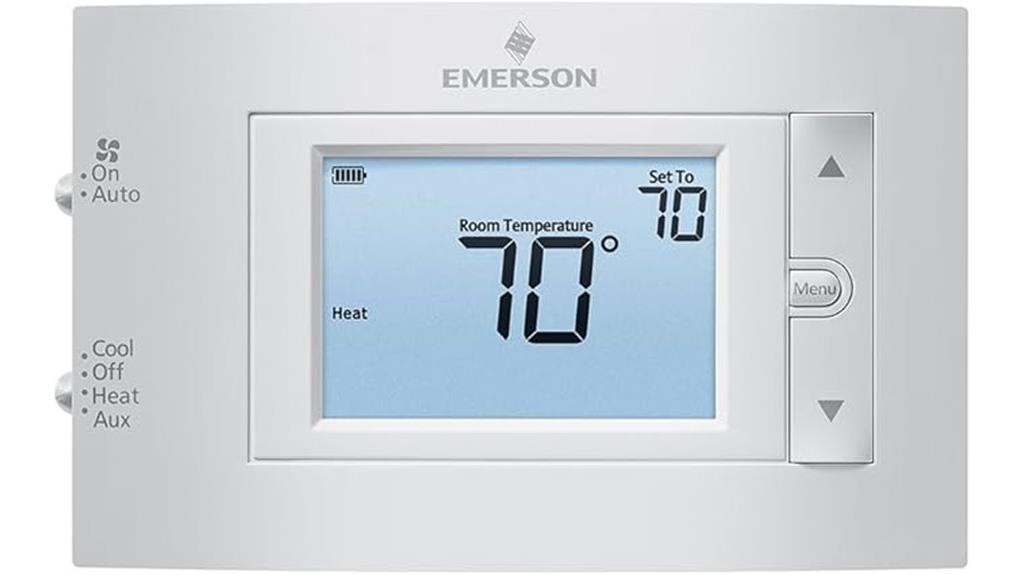
If you’re looking for a simple, reliable thermostat for your heat pump system, the Emerson 1F83H-21NP is a great choice. It features a large, clear display that’s easy to read even in low light, making temperature adjustments straightforward. Installation is hassle-free thanks to its built-in level indicator, pluggable terminals, and streamlined setup menu. This non-programmable thermostat offers essential features like a keypad lock, temperature limits, and a backlight button, ensuring user control and safety. It’s compatible with dual fuel systems and requires no sensors, making it an efficient, straightforward solution for maintaining comfortable home temperatures.
Best For: homeowners seeking a straightforward, reliable thermostat for their heat pump system that offers easy installation and user-friendly features.
Pros:
- Large, easy-to-read display suitable for low-light conditions
- Simple setup with built-in level indicator and pluggable terminals
- Features like keypad lock, temperature limits, and backlight for enhanced control and safety
Cons:
- Non-programmable, limiting customization of temperature schedules
- May lack advanced features found in smart thermostats
- Designed specifically for heat pump systems, not compatible with all HVAC types

Honeywell Home RTH7600D 7-Day Programmable Touchscreen Thermostat, White
Large touchscreen display makes it easy to set your preferred temperature or set a weekly schedule for automated...
As an affiliate, we earn on qualifying purchases.
Honeywell Home RTH7600D 7-Day Programmable Touchscreen Thermostat, White
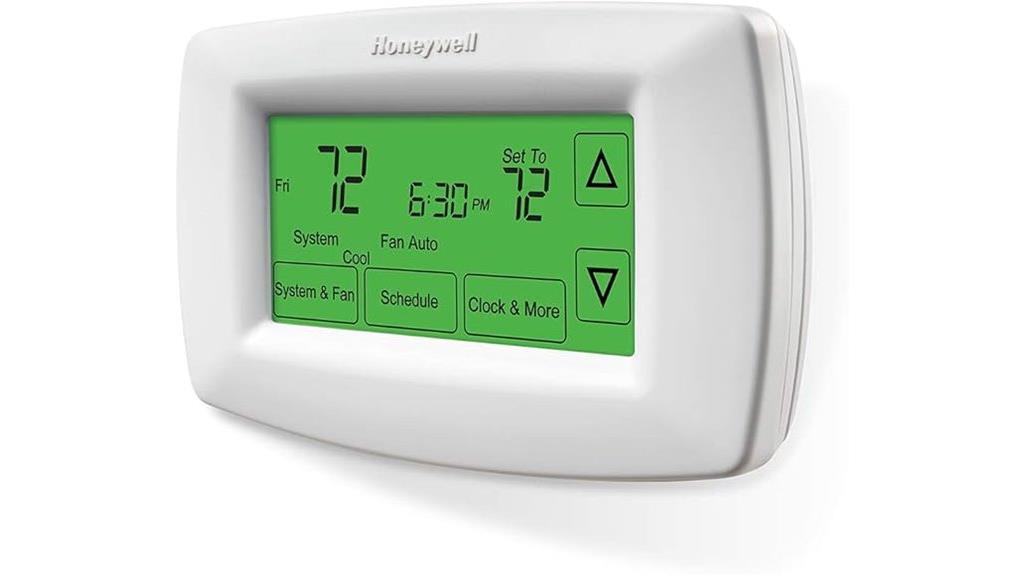
The Honeywell Home RTH7600D 7-Day Programmable Touchscreen Thermostat is an excellent choice for homeowners seeking precise control and energy savings. Its large, backlit touchscreen makes setting schedules and adjusting temperatures straightforward, while the real-time display shows current temperature and set points at a glance. It learns furnace and AC startup times using Smart Response Technology, ensuring comfort without wasting energy. The device supports flexible programming with four periods per day and features hold modes for extended absences. Compatible with various systems, it’s easy to install and offers alerts for filter changes and low batteries, making it a reliable, user-friendly thermostat.
Best For: homeowners seeking a user-friendly, programmable thermostat with precise scheduling and energy-saving features.
Pros:
- Large, backlit touchscreen display for easy programming and adjustments
- Smart Response Technology learns startup times for enhanced comfort and efficiency
- Supports multiple system types with flexible 7-day, 4-period programming
Cons:
- Not compatible with high-voltage electric systems or electric baseboard heating
- Requires wired connection; does not support Wi-Fi or remote control functionality
- Limited to 24V or 750mV systems, which may not suit all HVAC setups

Emerson 1F83H-21PR Heat Pump (2H/1C) Programmable Thermostat
Big, clear display - easily read in low lighting
As an affiliate, we earn on qualifying purchases.
Emerson 1F83H-21PR Heat Pump (2H/1C) Programmable Thermostat
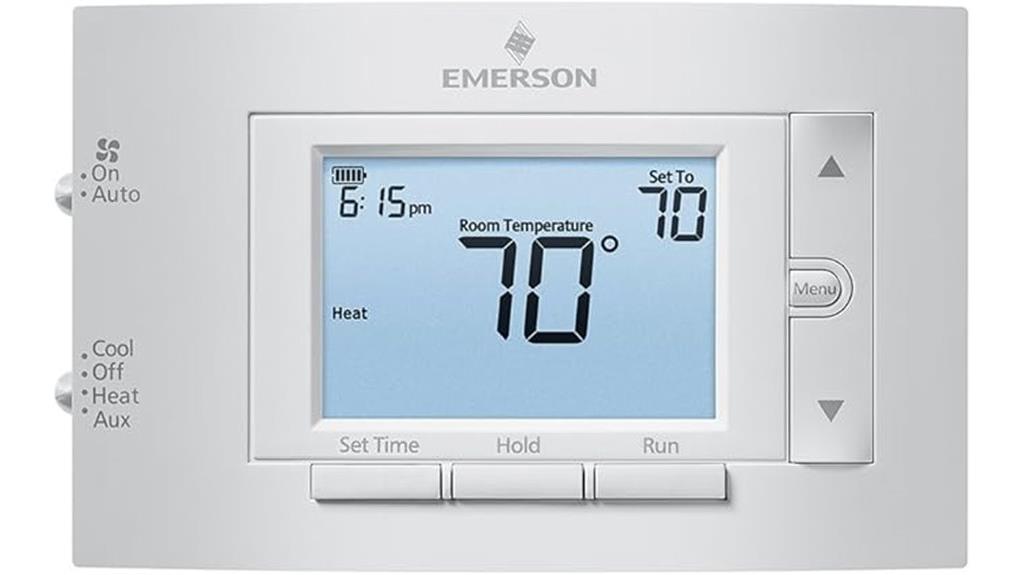
Designed for homeowners seeking reliable control over their heat pump systems, the Emerson 1F83H-21PR Programmable Thermostat stands out with its large, easy-to-read 4.5-inch LCD display. It offers flexible programming options, including 7-day, 5+1+1 day schedules, or a non-programmable mode. The thermostat supports system modes like heat, cool, off, and emergency, plus fan settings auto/on. It features keypad lock, temperature limits, and dual power options—hardwired or battery. Compatible with 24V systems, it controls heat pumps with a 2H/1C configuration, making it a reliable, versatile choice for maintaining efficient home heating.
Best For: homeowners seeking a reliable, easy-to-use programmable thermostat to efficiently control their heat pump systems with customizable scheduling and flexible power options.
Pros:
- Large, easy-to-read 4.5-inch LCD display for clear visibility.
- Flexible programming options including 7-day and 5+1+1 schedules.
- Supports multiple system modes and fan settings, enhancing control and comfort.
Cons:
- Not compatible with electric baseboard heat or systems outside of 24V heat pump configurations.
- Requires 2 AA batteries for backup, which need periodic replacement.
- May be more complex for users unfamiliar with programmable thermostats.

Heagstat H725 5/1/1 Day Programmable Heat Pump Thermostat, 2 Heat/1 Cool DIY Instal, with 4.5 sq. Inch Display
⚠️【Important Note Before Purchase】 Please confirm your heat pump system configuration. This thermostat only supports 2H/1C heat pump...
As an affiliate, we earn on qualifying purchases.
H725 Programmable Heat Pump Thermostat with 4.5-Inch Display
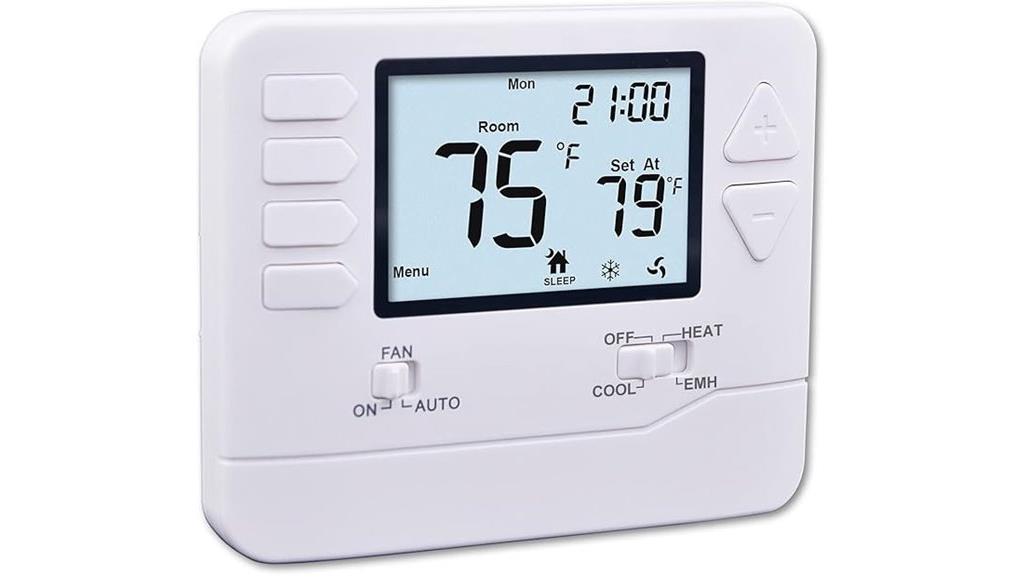
The H725 Programmable Heat Pump Thermostat with a 4.5-inch display is an excellent choice for DIY enthusiasts seeking precise control over their home heating systems. Its large, backlit LCD makes it easy to read and operate, even in low light. Supporting 2 heat/1 cool heat pump systems with auxiliary or emergency heating, it offers flexible programming with separate weekday and weekend schedules, four periods daily. Features like temperature calibration, swing adjustment, and compressor delay ensure peak efficiency. Dual power options and BACnet MS/TP connectivity add versatility. Although not compatible with all systems, it’s a reliable, user-friendly thermostat perfect for those wanting detailed control and energy savings.
Best For: DIY homeowners seeking precise, customizable control over their heat pump systems with easy installation and energy-saving features.
Pros:
- Supports flexible programming with separate weekday/weekend schedules and four daily periods.
- Large, backlit LCD display ensures easy readability in various lighting conditions.
- Dual power options and BACnet MS/TP connectivity enhance versatility and integration.
Cons:
- Not compatible with electric baseboard, line voltage, radiant-ceiling, mini split, or 12V RV systems.
- Requires checking system compatibility and wall trace coverage before purchase.
- Limited to 2 heat/1 cool heat pump systems with auxiliary or emergency heating; may not suit all heating setups.
Honeywell Home RTH6580WF Wi-Fi 7-Day Programmable Thermostat, White
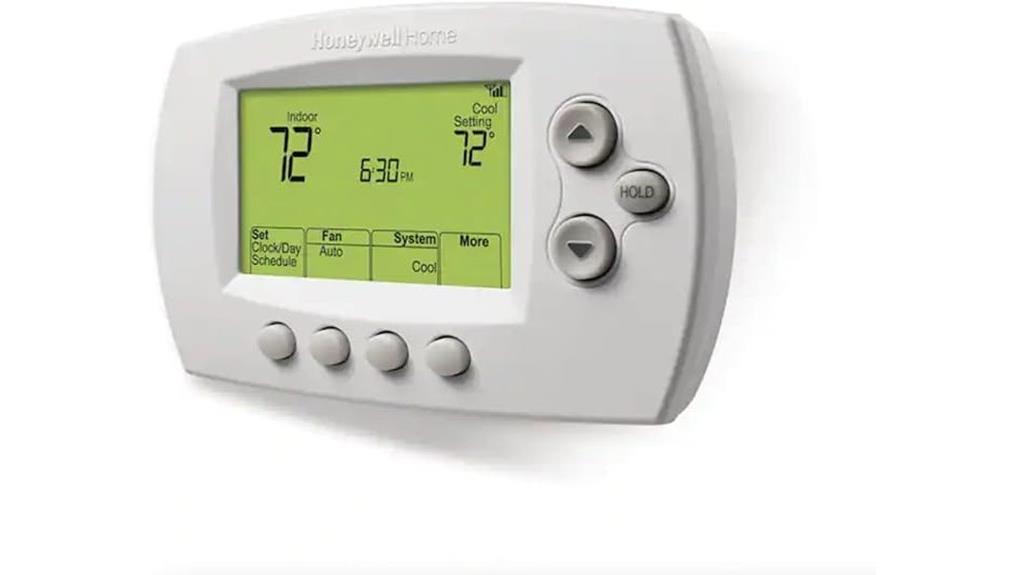
If you’re looking for a versatile thermostat that offers both smart control and reliable scheduling, the Honeywell Home RTH6580WF Wi-Fi 7-Day Programmable Thermostat is a top choice. It allows control via the Total Connect Comfort or Honeywell Home app, giving you access anytime, anywhere. Compatible with Alexa, Google Assistant, and Cortana, it integrates seamlessly into your smart home. Designed for forced air systems, it features a large, backlit digital display and easy DIY installation. With ENERGY STAR certification, it helps reduce energy use while learning your home’s cycles with Smart Response, optimizing comfort and efficiency effortlessly.
Best For: homeowners seeking a versatile, energy-efficient Wi-Fi-enabled thermostat that integrates with popular smart home systems and offers customizable scheduling.
Pros:
- Easy DIY installation with intuitive controls and a large, backlit display
- Compatible with multiple voice assistants including Alexa, Google Assistant, and Cortana
- ENERGY STAR certified, promoting energy savings and lower utility bills
Cons:
- Does not support electric baseboard heating (120-240V), limiting its use with certain systems
- Requires a C-wire for continuous power, which may not be available in all setups
- Limited to forced air, hot water, steam, and heat pump systems, not suitable for all heating configurations
Google Nest Learning Thermostat, 3rd Gen
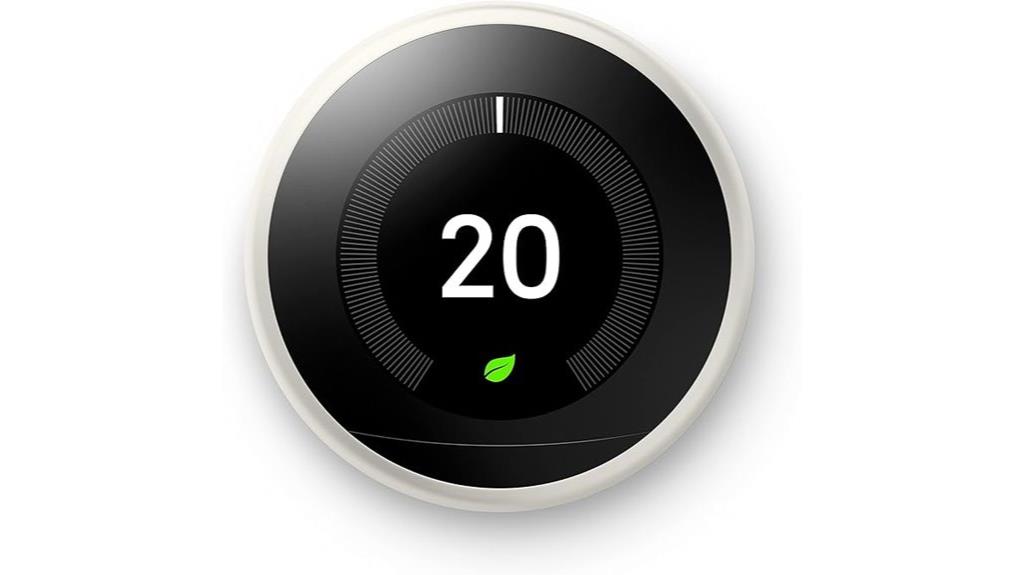
The Google Nest Learning Thermostat (3rd Gen) stands out for those seeking a smart thermostat that adapts to their routines to maximize comfort and energy savings. It features self-learning capabilities, adjusting itself based on your habits, and offers a sleek design with a bright high-resolution display and Farsight technology that shows weather, time, or temperature when you approach. Compatible with 95% of HVAC systems and easy to install in about 30 minutes, it monitors system performance, providing alerts and maintenance reminders. With remote control via phone or voice assistants, along with eco-friendly options like Nest Renew, it’s an efficient, user-friendly choice for modern homes.
Best For: homeowners seeking an adaptable, stylish, and energy-efficient smart thermostat that seamlessly integrates with their HVAC system and smart home setup.
Pros:
- Self-learning technology that adapts to user routines for optimal comfort and savings
- Sleek design with high-resolution display and Farsight technology for easy viewing
- Compatible with 95% of HVAC systems and supports remote control via mobile devices and voice assistants
Cons:
- Requires separate purchase of Nest Temperature Sensor for room-specific temperature control
- Might be expensive compared to basic thermostats, especially with added accessories
- Installation, while straightforward, may still pose challenges for non-technical users or complex HVAC systems
ELECTECK Digital Thermostat for Home Systems
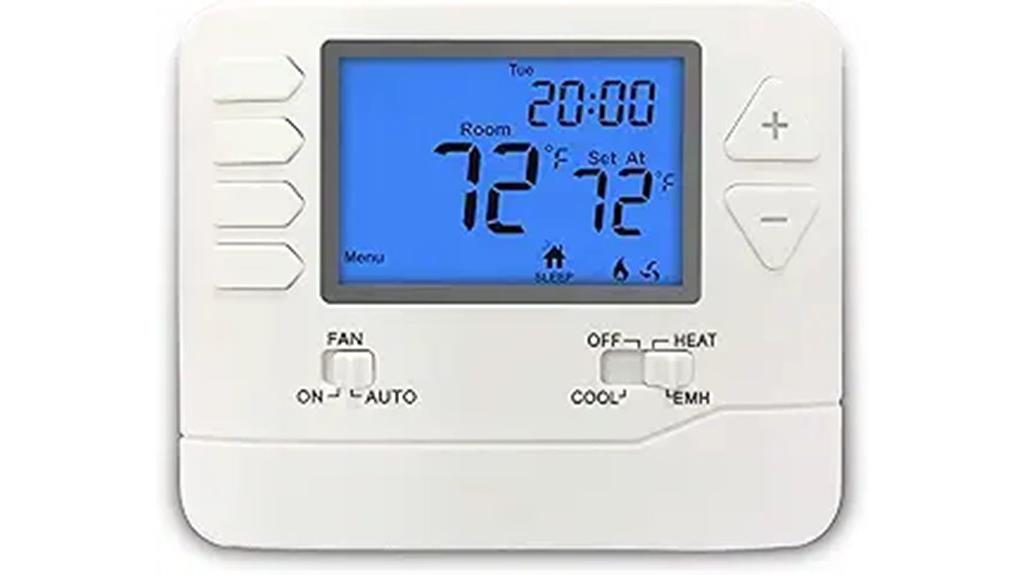
Designed for homeowners seeking straightforward control over their heat pump systems, the ELECTECK Digital Thermostat stands out with its easy installation and versatile compatibility. It supports multi-stage heating (up to 2 stages) and single-stage cooling, making it suitable for various systems, including electric, gas, and oil setups. Its large LCD display with blue backlight and big buttons ensure easy readability and simple adjustments. Precise temperature control with +/- 1 degree accuracy, along with options for Fahrenheit or Celsius, makes it highly adaptable. Plus, it can be hardwired or powered by batteries, removing the need for a C-wire, simplifying installation.
Best For: homeowners seeking an easy-to-install, versatile thermostat compatible with multi-stage heating and cooling systems without the need for complex wiring.
Pros:
- Supports multi-stage heating and single-stage cooling for flexible system compatibility
- Easy installation with no C-wire required, suitable for DIY setups
- Large LCD display with blue backlight and big buttons for effortless readability and adjustments
Cons:
- Non-programmable, limiting advanced scheduling options
- Not compatible with 120/240-Volt electric baseboard systems or RVs
- Limited to +/- 1 degree temperature accuracy, which may not suit highly precise heating/cooling needs
5-1-1 Day Programmable Heat Pump Thermostat
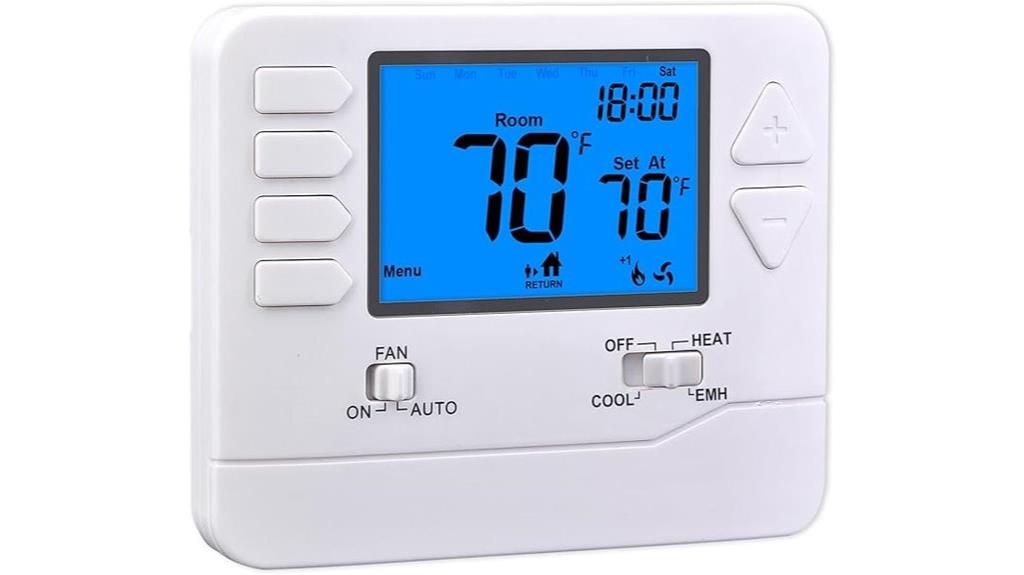
A 1-day programmable heat pump thermostat like the Suuwer S725 is perfect for homeowners seeking straightforward, daily control over their heating and cooling schedules. It supports up to 2 heat and 1 cool stages, making it compatible with most 24V systems, including heat pumps with auxiliary heat. Easy to install, it offers separate programs for weekdays and weekends with four periods per day—wake, leave, return, sleep. Its large, backlit display is user-friendly, especially for older users. With adjustable swing, compressor delay, and temperature calibration, it guarantees efficient comfort. Powered by 24VAC or batteries, it comes with a 2-year warranty and helpful customer support.
Best For: homeowners seeking an easy-to-use, programmable thermostat for their heat pump system with straightforward daily scheduling.
Pros:
- Supports up to 2 heat and 1 cool stages, compatible with most 24V systems including heat pumps with auxiliary heat.
- Large, backlit display designed for easy reading, suitable for middle-aged and elderly users.
- Offers customizable features such as separate weekday/weekend programs, adjustable swing, compressor delay, and temperature calibration.
Cons:
- Not suitable for 110-240V electric heat systems like baseboard or radiant heating.
- Does not support multistage, mini split, or 12V RV thermostats.
- Requires careful wiring verification before installation to prevent malfunction or incompatibility.
Emerson 1F72-151 5-2 Day Programmable Thermostat for Heat Pump Systems
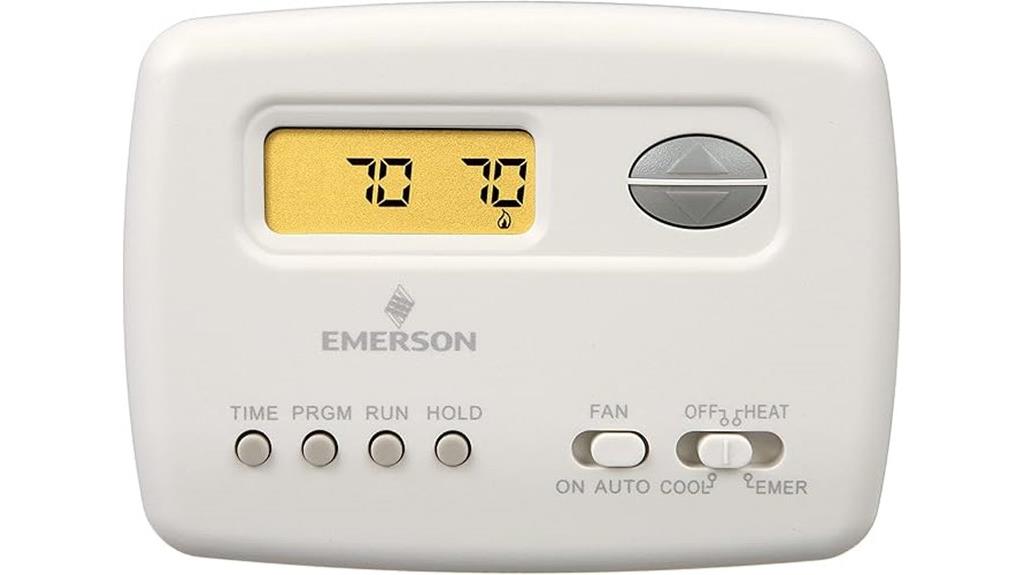
If you’re looking for a reliable thermostat to optimize your heat pump system, the Emerson 1F72-151 stands out with its user-friendly 5-2 day programmable schedule. It’s designed specifically for heat pump systems with 2H/1C, offering precise temperature control within ±1°F for maximum comfort. The large backlit LCD display makes it easy to read, and control is straightforward through buttons and touch. Powered by 24-volt or millivolt systems with backup batteries, it’s durable and easy to install. While it lacks Wi-Fi, its simplicity and reliable performance make it a solid choice for efficient home heating in 2025.
Best For: homeowners with heat pump systems seeking a simple, reliable programmable thermostat for consistent and comfortable heating control.
Pros:
- Easy-to-read large backlit LCD display for convenient operation
- Precise temperature regulation within ±1°F for optimal comfort
- Compatible with 24-volt and millivolt systems, suitable for most residential heat pumps
Cons:
- No Wi-Fi or remote connectivity options available
- Limited to 2H/1C heat pump systems, not compatible with zone valve or millivolt-only systems
- Basic control features without smart or advanced scheduling capabilities
Cielo Smart Thermostat Eco, Energy Star Certified

Looking to cut energy costs without sacrificing comfort? The Cielo Smart Thermostat Eco, Energy Star Certified, makes that possible with its efficient design and smart features. It’s compatible with most 24V HVAC systems, including geothermal, heat pumps, gas, electric, and oil. Its easy DIY installation includes a free C-wire adapter, even if your home lacks one. You can control it remotely via iOS or Android apps, set personalized schedules, and monitor energy use to optimize savings. Plus, its compatibility with Alexa, Google Assistant, and other smart home platforms offers seamless voice control. It’s a reliable, eco-friendly choice for smarter home heating in 2025.
Best For: homeowners seeking an energy-efficient, easy-to-install smart thermostat compatible with a wide range of 24V HVAC systems, including geothermal and heat pumps.
Pros:
- ENERGY STAR certified for proven energy savings and eco-friendliness
- Easy DIY installation with a free C-wire adapter included
- Compatible with major smart home platforms like Alexa, Google Assistant, and Siri for seamless voice control
Cons:
- Not suitable for mini split systems
- May require some technical familiarity for setup and integration
- Limited to 24V HVAC systems, excluding some high-voltage or specialized systems
ecobee Smart Thermostat Enhanced, Programmable Wi-Fi Thermostat
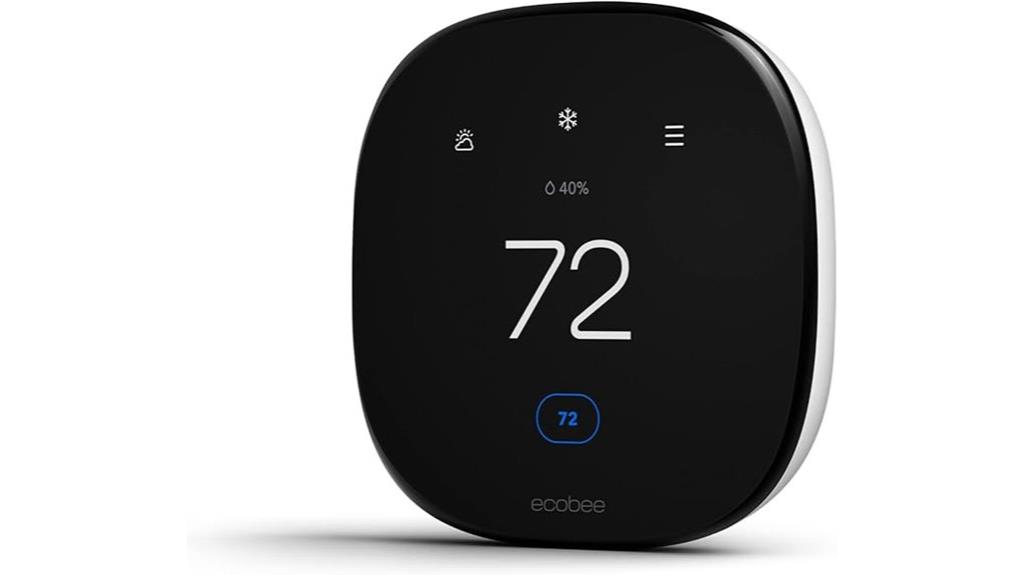
The ecobee Smart Thermostat Enhanced stands out for homeowners seeking maximum energy savings and seamless smart home integration. It can cut heating and cooling costs by up to 26% annually through occupancy-based adjustments, schedule suggestions, and optimization. It preheats or precools your home before you arrive and adjusts for humidity to maintain comfort. Compatible with most 24 VAC HVAC systems and equipped with a Power Extender Kit for homes without a C-wire, it’s easily installed. Control it remotely via app or voice assistants like Alexa, Google, or Apple HomeKit. Its sleek design, LCD display, and smart sensors make it a versatile, efficient choice for modern homes.
Best For: homeowners seeking to maximize energy savings with smart home integration and easy installation across various HVAC systems.
Pros:
- Offers up to 26% annual energy savings through occupancy and schedule-based adjustments
- Compatible with most 24 VAC HVAC systems and includes a Power Extender Kit for homes without a C-wire
- Supports remote control via app and integrates with popular voice assistants like Alexa, Google Assistant, and Apple HomeKit
Cons:
- Relies on wired connection; may require professional installation for some users
- Slightly larger dimensions may be less suitable for very tight spaces
- Limited to 3-year warranty, which is standard but may be shorter than some competitors
Upgraded Programmable Thermostat for Heat Pump and Geothermal Systems
Designed as a direct replacement for White-Rodgers systems, this upgraded programmable thermostat offers seamless compatibility with various heat pump and geothermal setups. It supports residential and commercial HVAC systems, including gas and electric furnaces, air conditioners, blowers, control boards, and heat exchangers. Engineered to meet or surpass original specifications, it delivers OEM-level performance and reliable operation. Made from premium materials, it resists wear, corrosion, and thermal stress for long-lasting durability. Its simple plug-and-play installation minimizes downtime, while features like a large display and 5-1-1 scheduling make system management easy and efficient, ensuring ideal comfort year-round.
Best For: homeowners and HVAC professionals seeking a reliable, easy-to-install thermostat compatible with heat pump and geothermal systems for both residential and commercial applications.
Pros:
- Seamless compatibility with a wide range of HVAC equipment including heat pumps, geothermal systems, and control boards
- Durable construction with premium materials for long-lasting performance in demanding environments
- User-friendly plug-and-play installation with a large display and advanced scheduling features
Cons:
- May require professional installation for optimal setup in complex HVAC systems
- Limited to models compatible with White-Rodgers replacements, restricting use with non-compatible systems
- Advanced features might be unnecessary for basic heating and cooling needs, potentially adding complexity for simple setups
Sensi Smart Thermostat
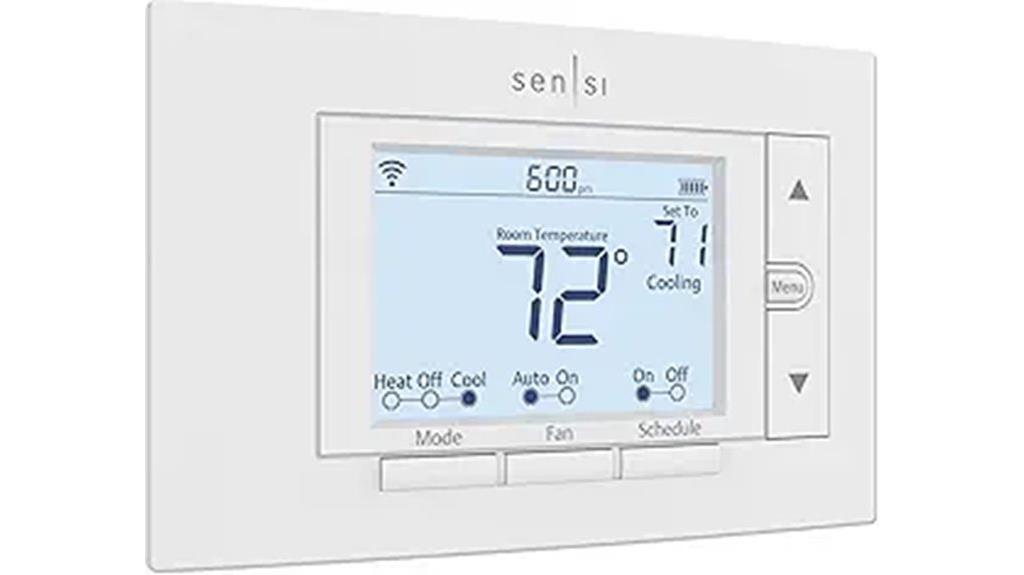
If you want a smart thermostat that’s easy to install and compatible with most residential HVAC systems, the Sensi Smart Thermostat (model ST55) is an excellent choice. It offers Wi-Fi connectivity, programmable features, and simple DIY installation, often without needing a common wire. Compatible with Alexa, Google Assistant, SmartThings, and Vera, it integrates seamlessly into your smart home. Its sleek design includes a 5-inch LED display and button controls, fitting standard wall mounts without patching. Certified Energy Star, it helps cut HVAC energy use by about 23%, monitors system health, and provides maintenance alerts, making it a reliable, efficient choice.
Best For: homeowners seeking an easy-to-install, compatible, and energy-efficient smart thermostat to enhance their home automation and reduce energy costs.
Pros:
- Easy DIY installation with included hardware and step-by-step app instructions
- Compatible with most residential HVAC systems and smart home platforms like Alexa and Google Assistant
- Certified Energy Star helping to reduce HVAC energy consumption by approximately 23%
Cons:
- Requires a stable Wi-Fi connection for remote features and updates
- Limited advanced customization options compared to higher-end models
- May not be compatible with certain complex or older HVAC systems without additional wiring or accessories
Factors to Consider When Choosing a Geothermal Heat Pump Thermostat
When selecting a geothermal heat pump thermostat, I focus on compatibility with my system, ease of installation, and the features that help me save energy. I also consider how well it connects to my home network and whether it offers programmable settings that suit my schedule. These factors guarantee I choose a thermostat that’s efficient, user-friendly, and tailored to my home’s needs.
Compatibility With System Types
Choosing a compatible thermostat is essential for guaranteeing your geothermal heat pump operates efficiently and reliably. First, check that the thermostat supports your system’s configuration, whether it’s 1H/1C, 2H/1C, or multi-stage setups. It must also accommodate specific control functions your system requires, like auxiliary, emergency, or dual-stage heating and cooling. Since most geothermal systems use low-voltage (24VAC) wiring, ensure the thermostat is designed for these systems. Additionally, verify that the thermostat can handle your system’s capacity and voltage requirements—using incompatible models can cause performance issues or damage. Finally, consider whether the thermostat offers advanced features such as zone control, multi-stage operation, or integration with geothermal-specific sensors, which can optimize efficiency and comfort.
Programmability Features Needed
Programmability features are vital for maximizing your geothermal heat pump’s efficiency and convenience. Look for thermostats with 5-1-1 or 7-day programming options to tailor weekly heating and cooling schedules. Multiple daily periods, such as wake, leave, return, and sleep, help optimize energy savings and comfort. It’s also helpful if the thermostat allows separate programming for weekdays and weekends, accommodating different routines. Vacation or holiday modes extend control during extended absences, preventing unnecessary heating or cooling. Additionally, features like temperature swing adjustments and delay settings are essential to avoid short cycling and improve system efficiency. These programmability options give you precise control, saving energy and ensuring your home remains comfortable year-round.
Energy Efficiency Options
To maximize energy efficiency with your geothermal heat pump thermostat, it’s vital to look for features that actively optimize system performance. Seek thermostats with energy-saving options like programmable schedules, adaptive learning, or occupancy sensors that automatically adjust settings based on your habits. Supporting zone control and individual room sensors helps manage heating and cooling loads more precisely, reducing waste. Make certain the thermostat can seamlessly integrate with your geothermal system’s controls to enhance overall efficiency. Monitoring tools like energy consumption reports and real-time feedback empower you to track usage and make informed adjustments. Additionally, choosing ENERGY STAR certified models guarantees adherence to strict energy efficiency standards, which can notably lower your utility bills while maintaining comfort.
Installation Ease and Wiring
Selecting a geothermal heat pump thermostat that’s easy to install starts with verifying it supports your system’s wiring configuration, whether it’s a simple 2H/1C setup or a multi-stage model. Check that the thermostat has compatible terminals for auxiliary and emergency heat functions, which are often used in geothermal systems. Look for models with clear wiring instructions and compatible connector types to make installation straightforward and reduce errors. Opt for thermostats that offer dual power options, like hardwired and battery backup, to suit different installation scenarios. Additionally, choose a thermostat with easily accessible wiring terminals and detailed manuals, which will simplify setup and troubleshooting. These features help ensure a smooth installation process and reliable operation.
Control and Connectivity
When choosing a geothermal heat pump thermostat, it’s crucial to guarantee it offers reliable Wi-Fi or remote connectivity so you can easily control and monitor your system from your mobile device. Make sure it’s compatible with your heat pump’s communication protocol and control interface to ensure seamless operation. Look for smart features like scheduling, energy reports, and voice assistant integration, which help optimize performance and save energy. It’s also important that the thermostat connects smoothly with other HVAC components and supports multi-stage heating and cooling functions. User-friendly interfaces and app compatibility are essential for straightforward operation and troubleshooting. These features give you better control, convenience, and confidence in managing your geothermal system efficiently.
Temperature Accuracy Standards
Maintaining accurate temperature control is essential for geothermal heat pump thermostats because even small deviations can impact system efficiency and indoor comfort. Ideally, a thermostat should keep temperatures within ±1°F to ensure peak performance. Most models fall within a range of ±0.5°F to ±1°F accuracy, helping prevent unnecessary cycling and energy waste. Higher accuracy thermostats provide more consistent indoor conditions, which is especially important in climate-sensitive environments. Accurate control also extends equipment lifespan by reducing strain caused by frequent on/off cycling. To maintain this precision, regular calibration is recommended. When choosing a thermostat, look for models that specify their temperature accuracy standards, as this directly affects your system’s efficiency and comfort levels over time.
Maintenance and Alerts
Choosing a geothermal heat pump thermostat with reliable maintenance alerts is essential to keep your system running smoothly. These alerts can remind you when to change filters, guaranteeing peak performance and energy efficiency. Many thermostats also offer low-battery warnings to prevent unexpected shutdowns or malfunctions, saving you from inconvenient surprises. Alerts for system faults or irregularities help catch issues early, reducing costly repairs and downtime. Programmable models can track system usage and send alerts if they detect abnormal energy consumption, indicating potential problems. Additionally, compatibility with remote monitoring allows you to receive maintenance notifications via smartphone apps, making upkeep more convenient. Prioritizing these alert features ensures your geothermal system remains efficient, reliable, and easy to manage over its lifespan.
Smart Home Integration
Integrating your geothermal heat pump thermostat with your smart home system can greatly enhance convenience and control. Make sure it supports popular platforms like Alexa, Google Assistant, or Apple HomeKit for seamless voice commands and automation. Compatibility with your heat pump system is essential to enable remote monitoring and adjustments via smartphone apps, giving you control from anywhere. Look for thermostats with Wi-Fi connectivity and learning capabilities, which optimize energy use and adapt to your routines. Scheduling and customization options are also important—they let you tailor settings to fit your household’s schedule for maximum comfort. Additionally, choose a model that provides real-time alerts and maintenance reminders, so you can stay proactive with system management without hassle.
Frequently Asked Questions
How Do Thermostats Adapt to Seasonal Temperature Fluctuations?
Thermostats adapt to seasonal temperature fluctuations by using sensors and smart technology to detect changes in indoor and outdoor temperatures. I love how they automatically adjust settings to optimize comfort and efficiency. Many models learn from my habits and modify their behavior over time, ensuring my home stays cozy without wasting energy. This way, I can enjoy a consistent temperature year-round, no manual adjustments needed.
Can Smart Thermostats Detect and Respond to System Malfunctions?
Yes, smart thermostats can detect system malfunctions by monitoring parameters like temperature inconsistencies, unusual energy usage, or error codes. When they identify a problem, I receive alerts instantly, allowing me to troubleshoot or call a technician promptly. This proactive approach helps prevent major repairs, ensures efficient operation, and keeps my home comfortable. I love how these devices give me peace of mind with real-time diagnostics and automatic responses.
What Are the Compatibility Requirements for Different Geothermal Heat Pump Models?
Compatibility requirements for geothermal heat pump models mainly involve making certain the thermostat can communicate with the system’s control board, often through specific wiring or communication protocols like BACnet or LonWorks. I recommend checking your heat pump’s specifications and manufacturer guidelines to confirm compatibility. You should also verify voltage and sensor type requirements. Doing this helps avoid issues and ensures your thermostat works efficiently with your geothermal system.
How Do Energy-Saving Features Vary Among Top Thermostats?
Energy-saving features in top thermostats are like a smart garden sprinkler system—precise and efficient. I’ve found they vary in how they optimize heating schedules, monitor energy use, and adapt to your habits. Some offer advanced algorithms that learn your routines, while others include energy usage reports to help you cut costs. The best models combine these features, ensuring your geothermal system runs smoothly and economically.
Are There Specific Safety Features to Consider in Geothermal Thermostat Selection?
Yes, safety features are essential when choosing a geothermal thermostat. I look for models with overload protection, secure wiring, and clear, user-friendly interfaces to prevent errors. Some thermostats also include alerts for system malfunctions or extreme temperatures, which can prevent damage or safety hazards. Ensuring these features are present gives me peace of mind, knowing my system operates safely and efficiently, especially during extreme weather conditions.
Conclusion
Choosing the right geothermal heat pump thermostat can truly transform your home’s comfort and energy efficiency. With options that range from basic non-programmable models to advanced Wi-Fi-enabled smart thermostats, there’s something for everyone. I believe finding the perfect thermostat can make your heating system as reliable as the sunrise—an essential part of your daily life. Don’t settle for less; invest in a thermostat that will elevate your home’s comfort to legendary status.