Are you debating between installing an HVAC or heat pump system in your house? Unsure about which option is best for you? Don’t worry! In our guide for beginners, we’re going to evaluate HVAC and heat pump systems side by side. We’ll examine their main distinctions, energy-saving capabilities, pricing, appropriateness for different climates, setup procedures, upkeep needs, effectiveness in heating and cooling, environmental effects, and the advantages they offer in the long run.
By the end of this article, you’ll have a clear understanding of which system is best suited for your needs. So, let’s dive in and unravel the mysteries of HVAC and heat pump systems!
Key Takeaways
- HVAC systems generate heat through combustion, while heat pumps transfer heat.
- Heat pumps are more energy efficient and use electricity to move heat, reducing carbon emissions.
- HVAC systems have a longer lifespan and can be more cost-effective over time.
- HVAC systems are better suited for extreme temperature conditions, while heat pumps work better in moderate climates.
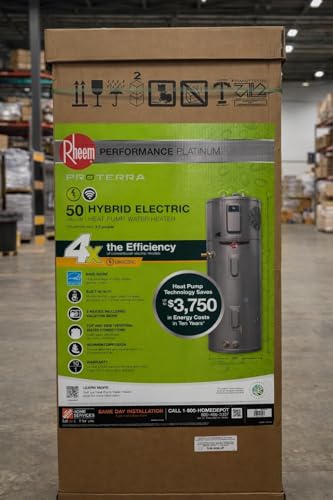
Rheem 50 Gal. Smart High Efficiency Hybrid Heat Pump Water Heater with 10-Year Warranty
It must be wired into your home’s electrical system and will typically require a dedicated electrical circuit (similar…
As an affiliate, we earn on qualifying purchases.
As an affiliate, we earn on qualifying purchases.
Key Differences Between HVAC and Heat Pump Systems
Now let’s explore the main distinctions between HVAC and heat pump systems.
When it comes to energy efficiency comparison, heat pump systems tend to outperform traditional HVAC systems. This is because heat pumps transfer heat rather than generate it, resulting in less energy consumption. Heat pumps can achieve high levels of energy efficiency, with some models boasting a coefficient of performance (COP) greater than 3.
On the other hand, HVAC systems rely on the combustion of fossil fuels to generate heat, which can be less efficient.
Another key difference lies in climate suitability. Heat pumps are better suited for moderate climates, where the temperature doesn’t drop too low. In colder climates, HVAC systems with auxiliary heating may be more suitable to handle extreme temperatures.

HVAC Controls and Systems
As an affiliate, we earn on qualifying purchases.
As an affiliate, we earn on qualifying purchases.
Energy Efficiency: HVAC Vs. Heat Pump Systems
When comparing the energy efficiency of HVAC and heat pump systems, two key points to consider are cost-effectiveness and environmental impact.
In terms of cost-effectiveness, heat pumps are generally more efficient than HVAC systems, as they transfer heat rather than generate it. This leads to potential savings on energy bills.
Additionally, heat pumps have a lower environmental impact, as they use electricity to move heat instead of burning fuel, reducing carbon emissions.
Cost-effectiveness: HVAC Vs. Heat Pump
We frequently find that HVAC systems are more cost-effective than heat pumps in terms of energy efficiency. When comparing energy consumption, HVAC systems tend to consume less energy compared to heat pumps. This is because HVAC systems primarily rely on electricity for heating and cooling, while heat pumps use electricity to transfer heat from one place to another. Additionally, when considering the lifespan comparison, HVAC systems have a longer lifespan compared to heat pumps. On average, HVAC systems can last for 15 to 20 years, while heat pumps typically have a lifespan of 10 to 15 years. This longer lifespan of HVAC systems can result in cost savings over time, as homeowners will not need to replace their system as frequently.
| Energy Consumption | Lifespan Comparison | |
|---|---|---|
| HVAC | Lower energy consumption | Longer lifespan |
| Heat Pump | Higher energy consumption | Shorter lifespan |
Environmental Impact: HVAC Vs. Heat Pump
Both HVAC systems and heat pumps have varying environmental impacts, but HVAC systems are generally more energy efficient than heat pumps. When assessing the environmental impact of these systems, it’s important to consider factors such as life cycle analysis and greenhouse gas emissions.
Here are three key points to understand:

Life Cycle Analysis: HVAC systems typically have a longer lifespan compared to heat pumps, which means that their environmental impact is spread over a longer period. Heat pumps may need to be replaced more frequently, resulting in a higher overall environmental impact.
Greenhouse Gas Emissions: HVAC systems primarily rely on electricity, which can be generated from renewable sources and produce lower greenhouse gas emissions. Heat pumps, on the other hand, use refrigerants that can have a higher global warming potential, contributing to higher emissions.
Considering these factors, HVAC systems generally have a lower environmental impact compared to heat pumps. However, it’s important to also examine the specific circumstances and energy sources in each case.
Now let’s move on to the next section to explore the cost comparison between HVAC and heat pump systems.
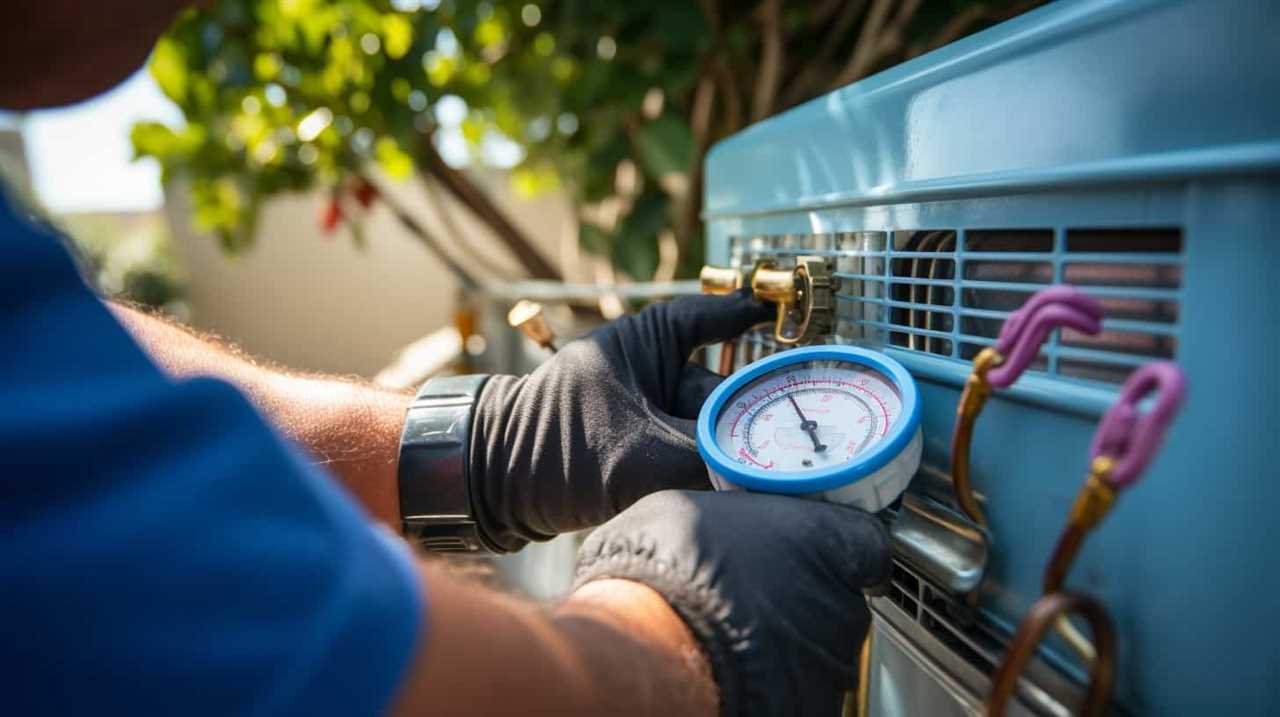

Oylus Mini Split Ac/Heating System – 12000 BTU Ductless Mini Split Air Conditioner with Heat Pump, 19 SEER2 115V Energy Efficient Ac Unit Up to 750 Sq.Ft with Installation Kit
【Efficient Cooling & Heating】 – Stay comfortable all year round with 12,000 BTU cooling and 12,500 BTU heating….
As an affiliate, we earn on qualifying purchases.
As an affiliate, we earn on qualifying purchases.
Cost Comparison: HVAC Vs. Heat Pump Systems
To determine the most cost-effective option between HVAC and heat pump systems, we need to compare their installation and operational expenses.
When it comes to installation costs, both HVAC and heat pump systems require professional installation, which can vary depending on factors such as the size of the system and the complexity of the installation. However, heat pump systems tend to be more expensive to install compared to HVAC systems, as they require additional components such as the heat pump unit and refrigerant lines.
On the other hand, when it comes to operational expenses, heat pump systems are generally more energy-efficient than HVAC systems, leading to potential energy savings in the long run. This is especially true in areas with milder climates, where heat pumps can efficiently heat and cool a home using less energy compared to furnaces.
Moving forward, let’s explore the next section about the climate suitability of HVAC and heat pump systems.


Goodman 3 ton 15.2 SEER2 Complete Split System with upflow coil and single stage 80% AFUE 80k BTU furnace with install accessories! (GLXS4BA3610 CAPTA3626B3 GR9S800803BN)
GLXS4BA3610 CAPTA3626B3 and GR9S800803BN replace the following condensers, coils and furnaces: GSX140361,GSX130361,CAPF3743C70,CAPF4860C70,GMES800803BN,GMSS800803BN. If you have any questions, please…
As an affiliate, we earn on qualifying purchases.
As an affiliate, we earn on qualifying purchases.
Climate Suitability: HVAC Vs. Heat Pump Systems
When considering climate suitability, it’s important to evaluate the performance of HVAC and heat pump systems in different weather conditions. Geographical considerations play a crucial role in determining the effectiveness of these systems. Here are three key points to consider:
Temperature extremes: HVAC systems are better suited for regions with extreme weather conditions, such as very hot summers or very cold winters. Heat pumps, on the other hand, work more efficiently in moderate climates.
Humidity levels: HVAC systems excel at removing moisture from the air, making them ideal for areas with high humidity. Heat pumps are less effective at dehumidifying, so they may not be the best choice in humid regions.
Energy consumption: Heat pumps are generally more energy efficient than HVAC systems, making them a better choice for areas with milder climates and lower energy demands.

Considering these factors will help you determine the most suitable system for your specific geographical location and energy consumption needs.
Installation Process: HVAC Vs. Heat Pump Systems
We can compare the installation processes of HVAC and heat pump systems by considering the time and cost involved. When it comes to installation time, HVAC systems generally take longer to install compared to heat pump systems. This is because HVAC systems require ductwork to be installed, which can be a time-consuming process. On the other hand, heat pump systems do not require ductwork, making the installation process quicker.
In terms of equipment requirements, HVAC systems require more equipment compared to heat pump systems. HVAC systems consist of an indoor unit, an outdoor unit, and a network of ducts. Heat pump systems, on the other hand, only require an indoor unit and an outdoor unit. This difference in equipment requirements can affect the overall cost of installation.
To summarize, HVAC systems generally have a longer installation time and require more equipment compared to heat pump systems. It is important to consider these factors when deciding between the two options.

| HVAC Systems | Heat Pump Systems | |
|---|---|---|
| Time | Longer | Quicker |
| Cost | Higher | Lower |
| Equipment | More | Less |
Maintenance Requirements: HVAC Vs. Heat Pump Systems
Our HVAC and heat pump systems have different maintenance requirements, but they both require regular upkeep to ensure optimal performance. Here are the maintenance requirements for both systems:
HVAC System Maintenance Schedule:
Change air filters every 1-3 months.
Clean the evaporator and condenser coils annually.
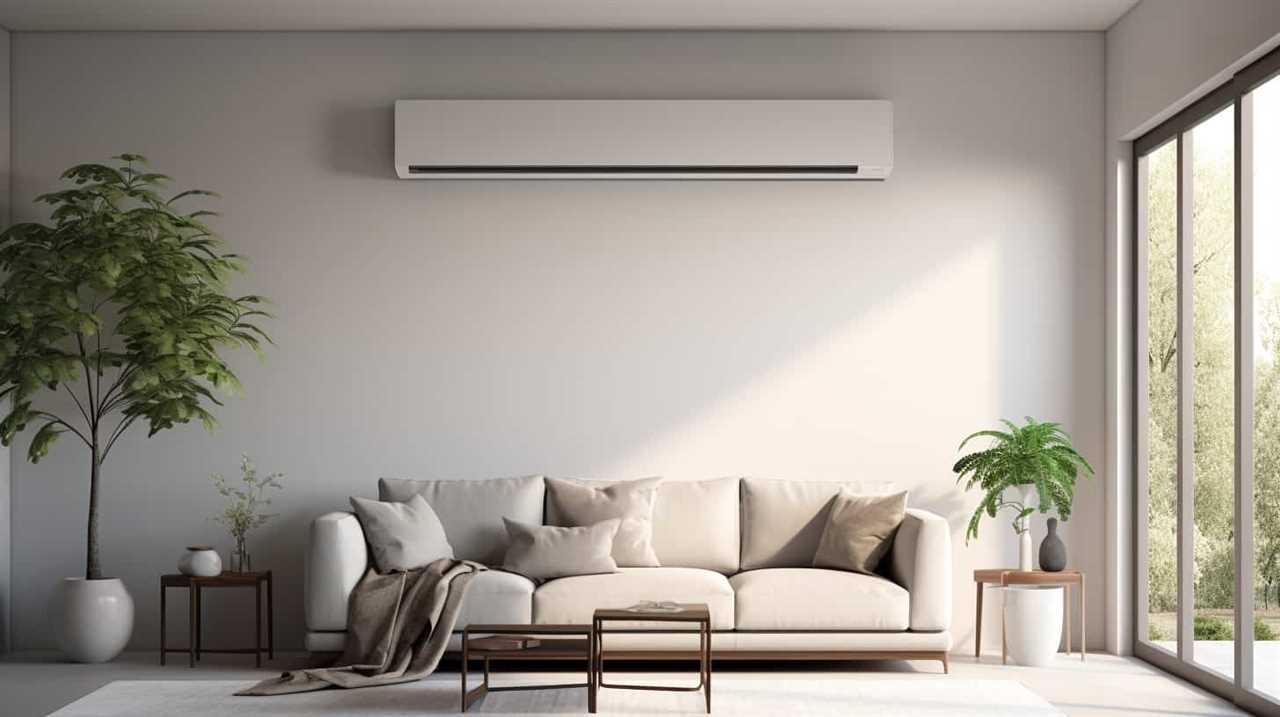
Schedule professional maintenance twice a year to check for any issues and ensure efficient operation.
Heat Pump System Maintenance Schedule:
Change air filters every 1-3 months.
Clean the outdoor unit regularly to remove debris and dust.

Schedule professional maintenance twice a year to inspect the refrigerant levels, electrical connections, and overall performance.
Troubleshooting Tips:
- If your HVAC system isn’t cooling or heating properly, check the thermostat settings, air filters, and circuit breakers.
- If your heat pump isn’t heating or cooling effectively, check the thermostat, outdoor unit for ice buildup, and ensure the system is in the correct mode.
Heating and Cooling Performance: HVAC Vs. Heat Pump Systems
Both HVAC and heat pump systems provide consistent and efficient heating and cooling performance. However, they may vary in terms of frequency and energy usage.
When it comes to heating performance, HVAC systems use a furnace that burns fuel, such as natural gas or oil, to generate heat. This heat is then distributed throughout the building via ductwork.

On the other hand, heat pump systems transfer heat from the outside air or ground and bring it indoors to provide warmth.
In terms of cooling performance, both HVAC and heat pump systems use refrigeration cycles to remove heat from the indoor air. This cooled air is then circulated back into the building.
Now, let’s delve into the environmental impact of these systems.
Environmental Impact: HVAC Vs. Heat Pump Systems
The environmental impact of HVAC and heat pump systems differs significantly in terms of energy consumption and carbon emissions. When comparing the two, it’s important to consider their carbon footprint and overall environmental sustainability. Here are three key factors to consider:
Energy Efficiency: Heat pump systems are known for their high energy efficiency. They use electricity to transfer heat rather than generating it, resulting in lower energy consumption and reduced carbon emissions. HVAC systems, on the other hand, rely on burning fossil fuels, which contribute to higher carbon emissions and a larger carbon footprint.
Renewable Energy Integration: Heat pumps can be easily integrated with renewable energy sources such as solar panels, further reducing their reliance on traditional energy sources. This integration promotes environmental sustainability and reduces carbon emissions.
Refrigerant Selection: Heat pumps use refrigerants that have a lower global warming potential (GWP) compared to those used in HVAC systems. By choosing heat pumps with environmentally-friendly refrigerants, we can minimize the negative impact on the environment.
Considering these factors, heat pump systems have a clear advantage over HVAC systems in terms of their environmental impact. They offer a more sustainable and energy-efficient solution, helping to reduce carbon emissions and contribute to a greener future.
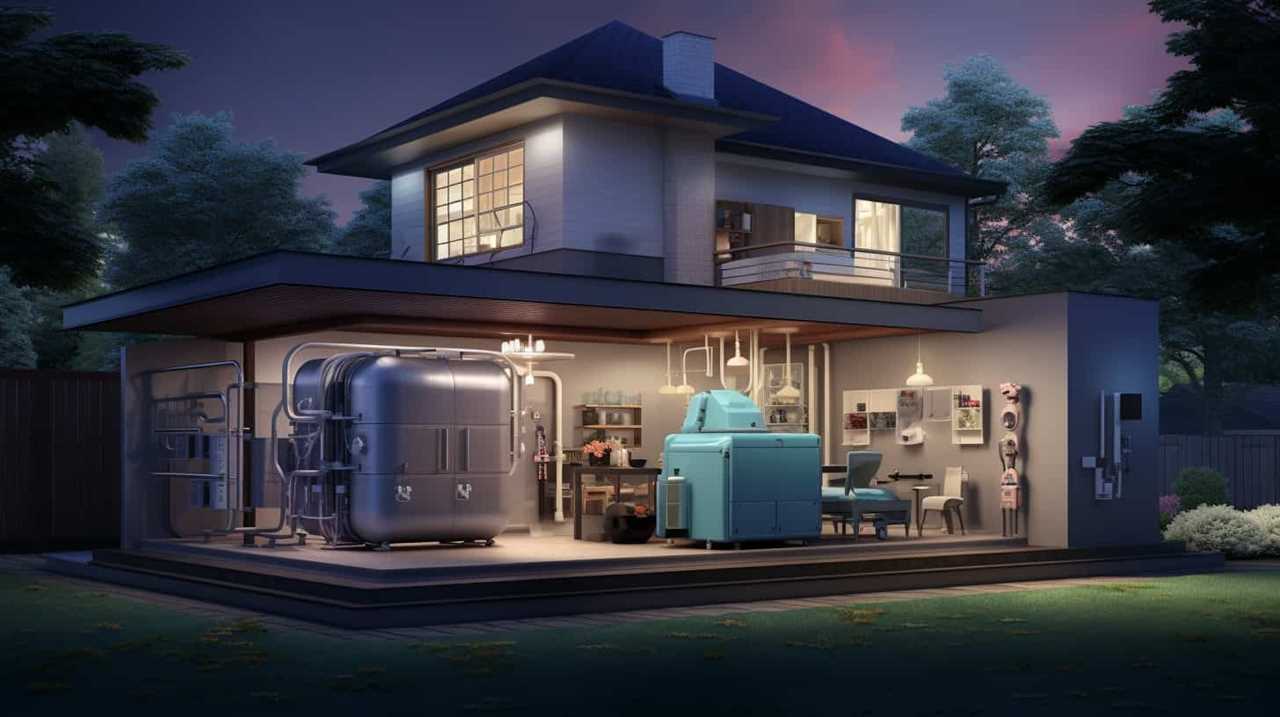
Long-Term Benefits: HVAC Vs. Heat Pump Systems
We can explore two key long-term benefits of HVAC and heat pump systems: cost savings and increased energy efficiency.
When it comes to long-term energy savings, both HVAC and heat pump systems offer advantages. HVAC systems are known for their ability to provide efficient heating and cooling throughout the year. They can be more expensive upfront, but they tend to have a longer lifespan and require less maintenance over time.
On the other hand, heat pump systems are highly energy efficient, as they transfer heat instead of generating it. This can result in significant long-term cost savings on energy bills. Additionally, heat pump systems are durable and can last for many years with proper maintenance.
Frequently Asked Questions
How Often Should I Have My HVAC System Inspected and Maintained?
We should regularly have our HVAC systems inspected and maintained to ensure optimal performance and energy efficiency. Regular maintenance is important for preventing breakdowns, extending the lifespan of the system, and improving indoor air quality.

Can a Heat Pump System Be Used as the Sole Source of Heating and Cooling for a Home?
Yes, a heat pump system can serve as the primary source of heating and cooling for a home. It offers high heat pump efficiency and has the added benefits of HVAC systems, providing comfort and energy savings.
Are There Any Tax Incentives or Rebates Available for Installing an HVAC or Heat Pump System?
Tax incentives and energy rebates are available for installing HVAC and heat pump systems. These incentives can help offset the cost of installation and encourage the use of energy-efficient heating and cooling solutions.
How Long Can I Expect an HVAC System or Heat Pump System to Last Before Needing to Be Replaced?
On average, HVAC systems and heat pump systems can last around 10-15 years. Signs of a failing system include frequent breakdowns, increased energy bills, and uneven heating or cooling. Regular maintenance can extend their lifespan.
Can I Install an HVAC or Heat Pump System Myself, or Do I Need to Hire a Professional?
When considering DIY installation of an HVAC or heat pump system, it’s important to weigh the benefits of hiring a professional. While DIY may save money, professionals have the expertise and knowledge to ensure proper installation and avoid potential issues.

What Are the Most Energy-Efficient Heat Pump Systems?
Striving to reduce energy consumption while still keeping your home comfortable? Look no further than the top energy-efficient heat pumps available on the market. These cutting-edge systems utilize advanced technology and smart features to provide excellent heating and cooling performance while minimizing energy usage. By opting for these top energy-efficient heat pumps, you can achieve optimal comfort and save on your energy bills simultaneously.
Conclusion
In conclusion, when comparing HVAC and heat pump systems, it’s important to consider factors such as:
- Energy efficiency
- Cost
- Climate suitability
- Installation process
- Maintenance requirements
- Heating and cooling performance
- Environmental impact
- Long-term benefits
As the saying goes, ‘Don’t judge a book by its cover,’ it’s crucial to delve into the technical details to make an informed decision. By understanding the differences between these systems, you can choose the one that best suits your needs and ensures optimal comfort in your home.