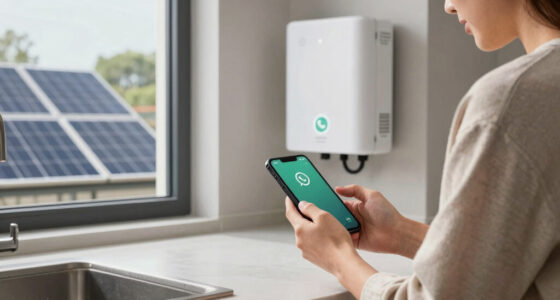
Have you ever thought about how to maximize the efficiency of your heat pump? Well, we’ve got you covered!
In this essential guide, we’ll show you the insider tips and tricks to maximize heat pump efficiency. From understanding energy ratings to key factors that affect performance, we’ll provide you with the knowledge you need to keep your heat pump running smoothly.
So, let’s dive in and discover how to make your heat pump work smarter, not harder.
Key Takeaways
- Seasonal Energy Efficiency Ratio (SEER) measures cooling efficiency
- Heating Seasonal Performance Factor (HSPF) measures heating efficiency
- Regular maintenance is crucial for maximizing efficiency
- Use programmable thermostat and seal air leaks

MINRISE Solar Power Bank 40000mAh, Portable Charger PD 20W Fast Charging
- High Capacity Battery: 40000mAh portable power bank
- Universal Device Compatibility: Compatible with all major phones and tablets
- Fast Charging Output: 20W PD Type-C fast charging
As an affiliate, we earn on qualifying purchases.
Understanding Heat Pump Energy Efficiency Ratings
We’ll start by looking at the three main heat pump energy efficiency ratings.
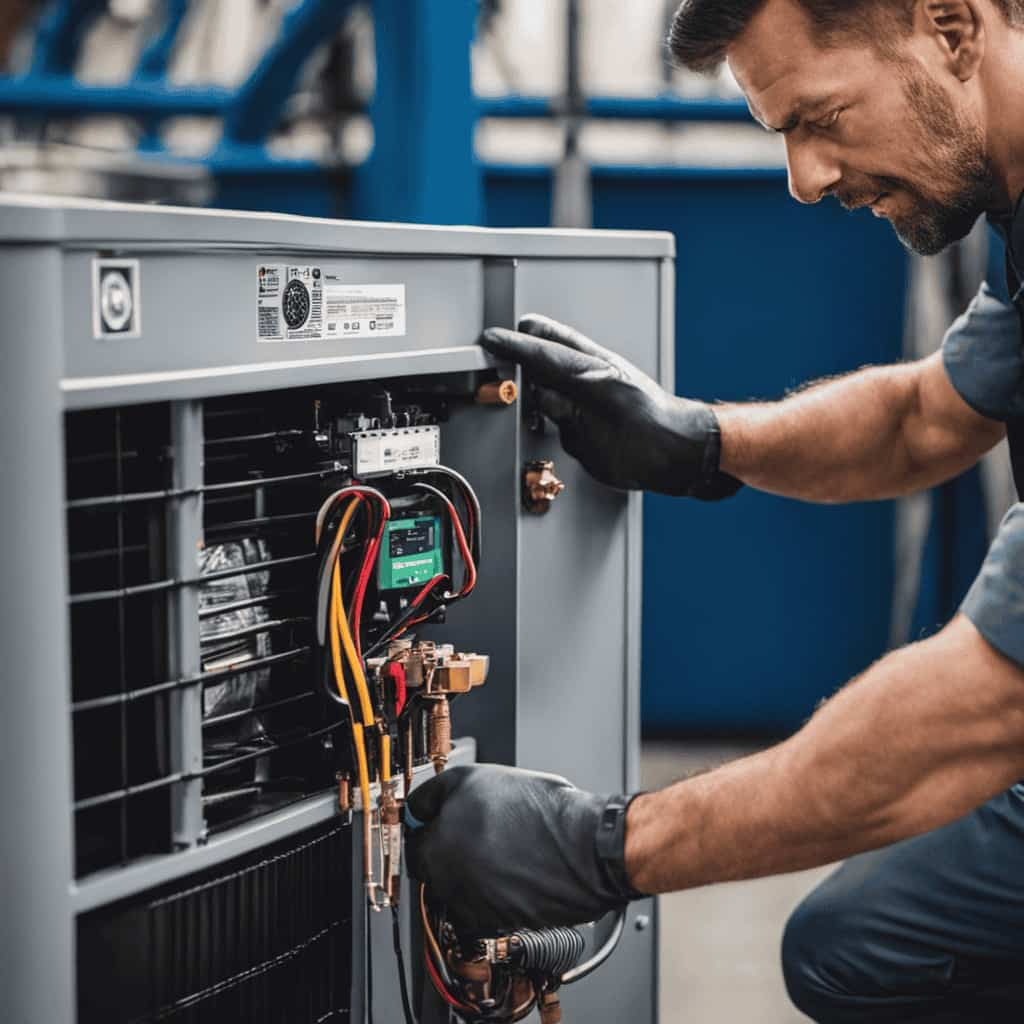
Understanding these ratings is crucial in maximizing the efficiency of your heat pump.
The first rating is the Seasonal Energy Efficiency Ratio (SEER), which measures the cooling efficiency of the heat pump. The higher the SEER rating, the more energy efficient the heat pump is.
The second rating is the Heating Seasonal Performance Factor (HSPF), which measures the heating efficiency of the heat pump. Again, a higher HSPF rating means greater energy efficiency.
Lastly, we have the Energy Efficiency Ratio (EER), which measures the efficiency of the heat pump at a specific outdoor temperature.

High energy efficiency ratings offer several benefits, including lower energy bills, reduced environmental impact, and improved comfort.

YELOMIN Solar Power Bank Portable Charger 20000mAh, 22.5W Fast Charging Compatible with iPhone Samsung iPad, 3 Built-in Cables & Dual LED Flashlight, Outdoor Battery Pack for Camping Travel Hiking
- High-capacity Battery: 20000mAh portable power bank
- Fast Charging Output: 22.5W Quick Charge port
- Multiple Built-in Cables: USB-C, Lightning, USB-A
As an affiliate, we earn on qualifying purchases.
Key Factors Affecting Heat Pump Efficiency
There are several key factors that can significantly impact the efficiency of our heat pump. Understanding these factors is essential for maximizing the performance of our system. Here are three important considerations:
-
Seasonal Variations: The efficiency of heat pumps can vary depending on the season. In colder months, when outdoor temperatures are lower, heat pumps need to work harder to extract heat from the air. This can reduce their efficiency and result in higher energy consumption. Conversely, in warmer months, heat pumps can operate more efficiently, as the temperature differential is smaller.
-
Climate Considerations: The climate in which we live plays a crucial role in heat pump efficiency. In regions with extreme cold or hot temperatures, heat pumps may struggle to provide adequate heating or cooling. It’s important to choose a heat pump that’s appropriate for the local climate and consider auxiliary heating or cooling systems for extreme conditions.

-
System Maintenance: Regular maintenance is vital for maximizing heat pump efficiency. Cleaning or replacing air filters, checking refrigerant levels, and ensuring proper airflow are all important tasks. Neglecting maintenance can lead to reduced efficiency, increased energy consumption, and potential system failures.

Mregb Solar Charger Power Bank 42800mAh, Portable Charger, Solar Power Bank,External Battery Pack 5V3.1A Qc 3.0 Fast Charger Built-in Super Bright Flashlight (Orange)
- Simultaneous Device Charging: Charges three devices at once with QC3.0
- Dual USB Ports: Includes two USB outputs for versatile use
- Durable Material: Made from heat-resistant, chemical-resistant ABS
As an affiliate, we earn on qualifying purchases.
Tips for Improving Heat Pump Energy Efficiency
How can we effectively improve the energy efficiency of our heat pump? Regular heat pump maintenance and implementing energy-saving tips are key. By following these practices, we can ensure that our heat pump operates at its highest efficiency, reducing energy consumption and saving money in the process.
To help you get started, here are some simple yet effective energy-saving tips:
| Maintenance | Efficiency Tips | Lifestyle Changes |
|---|---|---|
| Schedule regular professional maintenance for your heat pump | Set the thermostat at an optimal temperature | Turn off the heat pump when not in use |
| Clean or replace air filters regularly | Use a programmable thermostat to adjust temperatures | Keep doors and windows closed |
| Inspect and clean outdoor coils | Seal air leaks in ducts and around windows and doors | Use ceiling fans to circulate air |
| Clear debris and vegetation around the outdoor unit | Use natural ventilation and reduce reliance on the pump | Dress warmly and use blankets instead of cranking up the heat |

SOARAISE Solar Power Bank 48000mAh Wireless Portable Charger with 4 Cables
- High-Efficiency Solar Panels: Charges 5 times faster with 4 panels
- Large Capacity Battery: 48000mAh for extended outdoor use
- Multi-Device Compatibility: Supports 7 devices simultaneously
As an affiliate, we earn on qualifying purchases.
Best Practices for Maintaining Heat Pump Efficiency
Let’s explore the best practices for maintaining heat pump efficiency to ensure optimal performance and energy savings. Here are three key techniques for effective heat pump maintenance and energy savings:

-
Regular Filter Cleaning:
Dirty air filters can restrict airflow and reduce heat pump efficiency. Cleaning or replacing the filters every 1 to 3 months is essential to maintain proper airflow and prevent system strain. -
Coil Cleaning:
Over time, dust and debris can accumulate on the evaporator and condenser coils, hindering heat transfer. Regularly cleaning these coils with a soft brush or vacuum can improve heat pump efficiency and prevent breakdowns. -
Annual Professional Maintenance:
Scheduling an annual maintenance service by a qualified technician is crucial for identifying and resolving any potential issues. They can inspect, clean, and tune up the heat pump, ensuring it operates at maximum efficiency.
By following these heat pump maintenance and energy-saving techniques, you can enjoy optimal performance and lower energy bills.
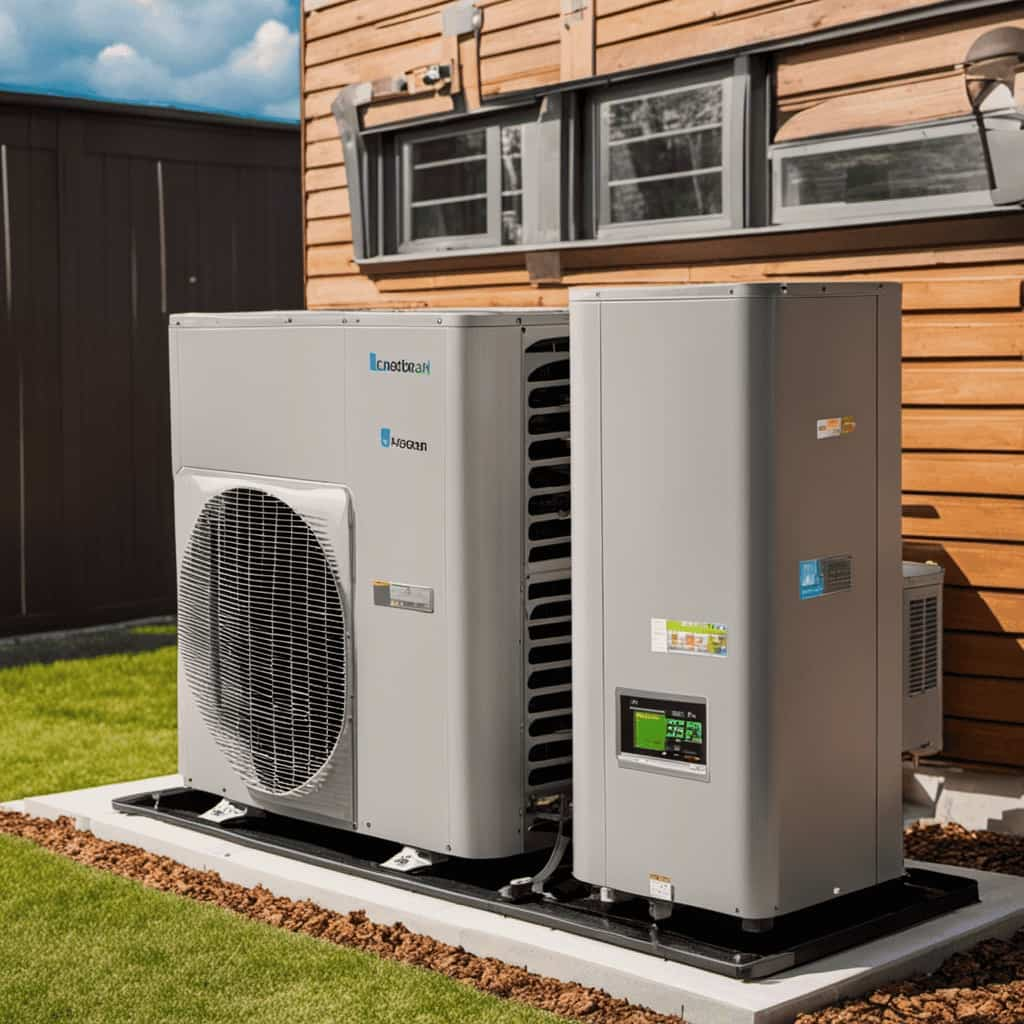
Now, let’s dive into advanced strategies to maximize heat pump performance.
Advanced Strategies to Maximize Heat Pump Performance
We can implement several advanced strategies to significantly increase heat pump performance and achieve maximum efficiency. One way to do this is by using smart control systems that optimize the heat pump’s operation based on real-time data. These systems can adjust the settings to match the specific needs of the space being heated or cooled, resulting in optimal performance and energy savings. Another strategy is to ensure that the heat pump is set to the most efficient settings. This includes programming the thermostat to match the occupants’ schedules and preferences, as well as adjusting the temperature according to the outdoor conditions. By utilizing smart control and optimizing the settings, we can maximize the efficiency of the heat pump and reduce energy consumption.
| Advanced Strategies | Benefits |
|---|---|
| Smart control systems | Optimizes heat pump operation based on real-time data |
| Optimal settings | Adjusts temperature according to outdoor conditions and occupants’ schedules |
| Result | Maximizes efficiency and reduces energy consumption |
Frequently Asked Questions
Can I Use a Heat Pump in Extremely Cold Climates?
Yes, we can use a heat pump in extremely cold climates. However, heat pump performance in extreme cold can be reduced. Alternative heating options for cold climates may be necessary to maintain optimal comfort.
How Can I Determine if My Heat Pump Is Running Efficiently?
We can determine if our heat pump is running efficiently by conducting regular heat pump maintenance and looking out for signs of heat pump inefficiency. This ensures optimal performance and energy savings.

What Are the Potential Drawbacks of Using a Heat Pump for Heating and Cooling?
Using a heat pump for heating and cooling may have drawbacks such as noise levels and initial installation cost. However, we can help you understand these issues and find solutions for maximum efficiency.
Are There Any Government Incentives or Rebates Available for Installing a Heat Pump?
Yes, there are government incentives and rebates available for installing a heat pump. These incentives aim to promote energy savings and encourage homeowners to choose more efficient heating and cooling systems.
Can I Use My Heat Pump to Heat My Swimming Pool or Hot Tub?
Yes, you can use a heat pump to heat your swimming pool or hot tub. It offers several advantages, such as energy efficiency and cost savings, making it a popular choice for water heating applications.
Conclusion
In conclusion, when it comes to maximizing heat pump efficiency, understanding energy efficiency ratings and key factors affecting performance is crucial. By following tips for improving energy efficiency and implementing best practices for maintenance, you can ensure your heat pump operates at its peak performance.

Remember, just as a well-tuned instrument produces beautiful melodies, a well-maintained heat pump will keep your home comfortably warm or cool. So, take care of your heat pump like a maestro cares for their instrument, and enjoy the harmonious benefits of maximum efficiency.