We have found a groundbreaking discovery. The efficiency ratings of heat pumps have the potential to transform our impact on the environment.
With decreased carbon emissions, energy conservation, reduced fossil fuel consumption, and preservation of natural resources, these ratings have a positive impact on climate change.
Imagine a world where our heating and cooling systems not only keep us comfortable, but also contribute to a greener, more sustainable future.
Get ready to dive into the significant environmental benefits of heat pump efficiency ratings.
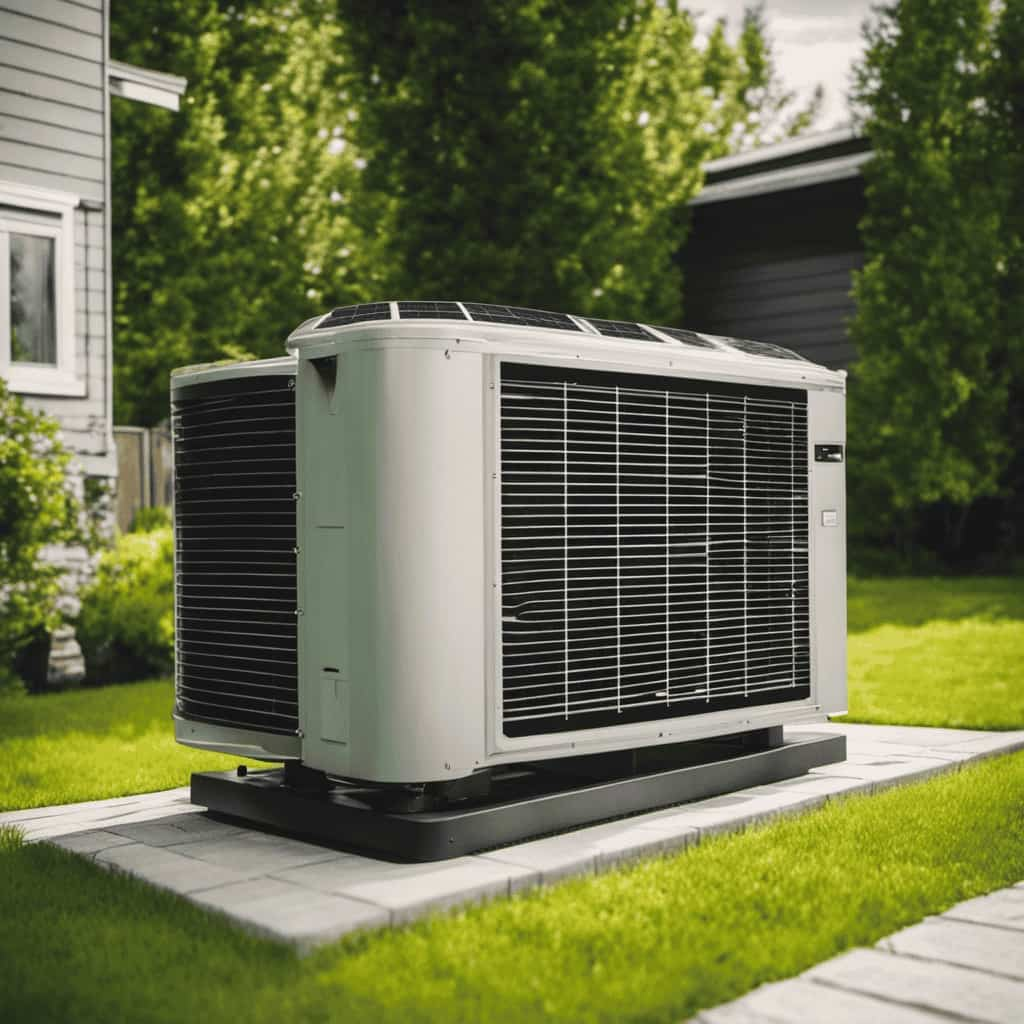
Key Takeaways
- Decreased carbon emissions
- Improved air quality
- Positive impact on climate change
- Contribution to a greener future
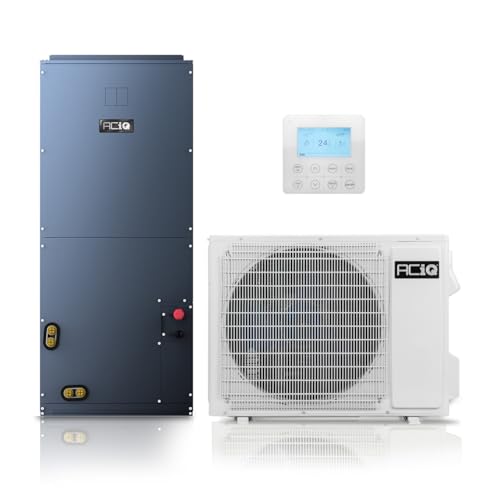
ACiQ Essentials 1.5 Ton 17 SEER2 Central AC Heat Pump System, 5kW, Thermo
- Certified ACiQ Sellers: Reliable HVAC solutions
- Inverter Technology: Adjusts power for efficiency and quietness
- Heating & Cooling: Operates from 5°F to 125°F cooling, 5°F to 75°F heating
As an affiliate, we earn on qualifying purchases.
As an affiliate, we earn on qualifying purchases.
Decreased Carbon Emissions
We can achieve decreased carbon emissions through improved heat pump efficiency ratings. Heat pumps are a crucial component in the renewable energy transition and play a significant role in reducing our carbon footprint. By increasing the efficiency of heat pumps, we can effectively decrease the amount of carbon dioxide released into the atmosphere during heating and cooling processes.
This reduction in carbon emissions not only helps combat climate change but also has a positive impact on our air quality. Improved air quality leads to a healthier environment and can contribute to the overall well-being of individuals and communities.
Therefore, it’s essential to prioritize and invest in technologies that enable higher heat pump efficiency ratings, as they’re instrumental in achieving both environmental and public health benefits.

EXNOS 9000 BTU Mini Split AC & Heating System, Heat Pump, 19 SEER2, 115V
- Year-Round Climate Control: 9000 BTU cooling and heating for 450 sq.ft.
- High Energy Efficiency: Up to SEER2 19, reduces energy use
- Smart Remote & Timer: Adjust settings and schedule with remote
As an affiliate, we earn on qualifying purchases.
As an affiliate, we earn on qualifying purchases.
Energy Conservation
By implementing energy conservation measures, we can significantly reduce our overall energy consumption and make more efficient use of resources. This not only helps us save money on our energy bills but also has a positive impact on the environment.

Here are some sustainable practices and renewable energy sources that can aid in energy conservation:
- Installing energy-efficient appliances and lighting systems.
- Insulating homes and buildings to minimize heat loss.
- Using programmable thermostats to regulate temperature settings.
- Implementing smart home technology to optimize energy usage.
- Utilizing renewable energy sources such as solar panels or wind turbines.
These practices and technologies not only contribute to energy conservation but also promote a greener and more sustainable future. By adopting these measures, we can reduce our carbon footprint and create a more environmentally-friendly world.
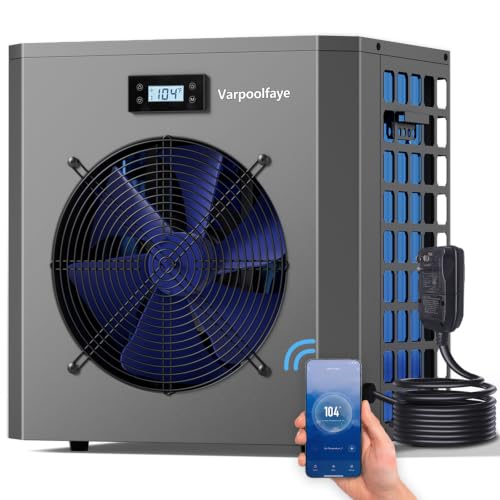
Varpoolfaye 5,500 Gallon Heat Pump Pool Heater for Above Ground Pool 110v
- High-Output Heating and Cooling: Delivers 16,000 BTU for quick temperature control
- Suitable for Above Ground Pools: Ideal for pools up to 5,500 gallons
- All-Season Use with WiFi Control: Adjust temperature and modes remotely via app
As an affiliate, we earn on qualifying purchases.
As an affiliate, we earn on qualifying purchases.
Reduced Fossil Fuel Consumption
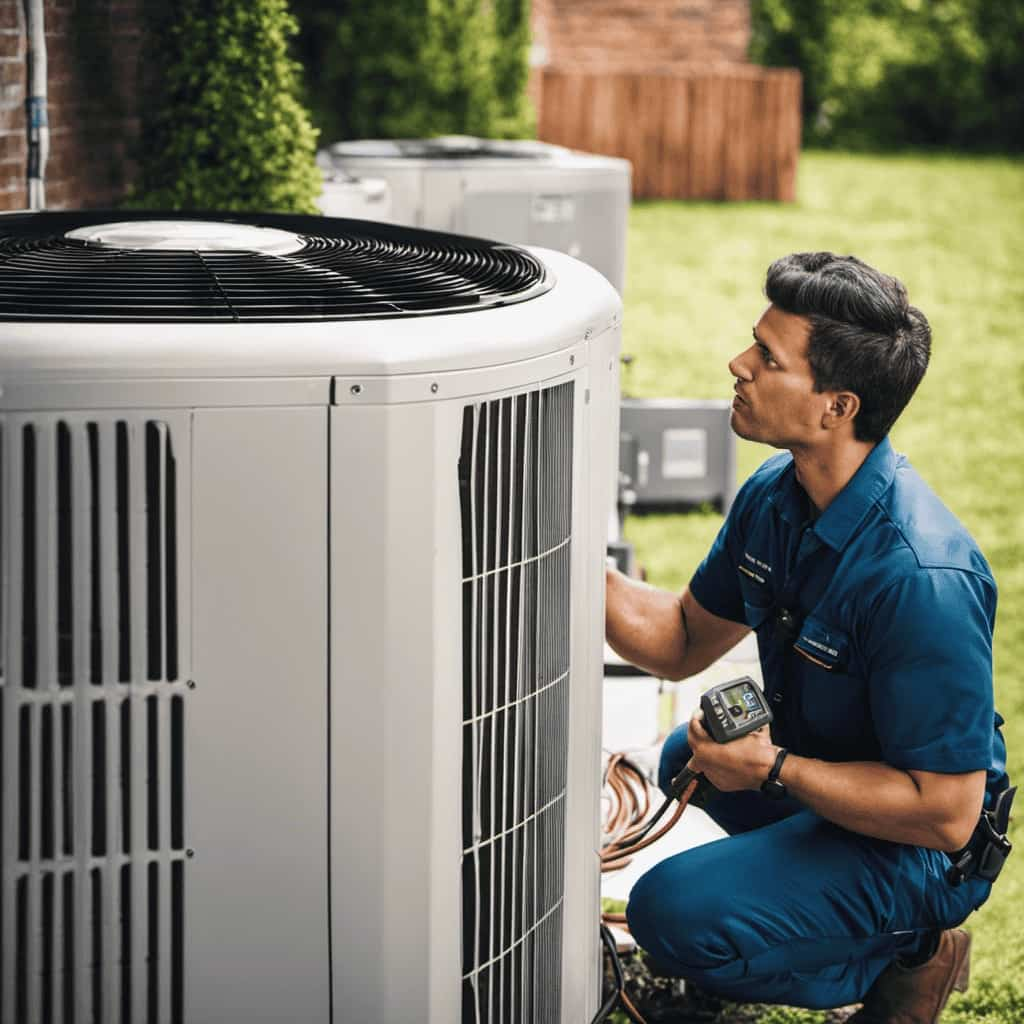
Our reduced fossil fuel consumption can be achieved by implementing heat pump efficiency ratings and utilizing renewable energy sources. By using heat pumps with higher efficiency ratings, we can significantly reduce our reliance on fossil fuels for heating and cooling purposes. This not only leads to reduced energy costs but also has a positive impact on the environment by decreasing greenhouse gas emissions and improving air quality.
To better understand the benefits of heat pump efficiency ratings, let’s take a look at the following table:
| Heat Pump Efficiency Rating | Energy Efficiency Ratio (EER) | Coefficient of Performance (COP) |
|---|---|---|
| Low | Less than 10 | Less than 3 |
| Moderate | 10-14 | 3-4 |
| High | Above 14 | Above 4 |
As shown in the table, heat pumps with higher efficiency ratings have a higher EER and COP, indicating their ability to provide more heating or cooling output for each unit of energy consumed. This results in reduced fossil fuel consumption, lower energy costs, and improved air quality.

DrainX Tankless Water Heater Flush Kit Includes 4 Quarts of Eco Friendly and Powerful Liquid Descaling Solution for 4 Uses, 5 Gallon Bucket and 1/6HP Extra Strength Pump
- Complete Flushing Kit: Includes pump, hoses, bucket, solutions, and log
- Eco-Friendly Descaler: Biodegradable, solvent-free citric acid solution
- Long-Lasting Descaling: Four quarts for multiple uses and savings
As an affiliate, we earn on qualifying purchases.
As an affiliate, we earn on qualifying purchases.
Preservation of Natural Resources
Let’s examine how heat pump efficiency ratings contribute to the preservation of natural resources.
-
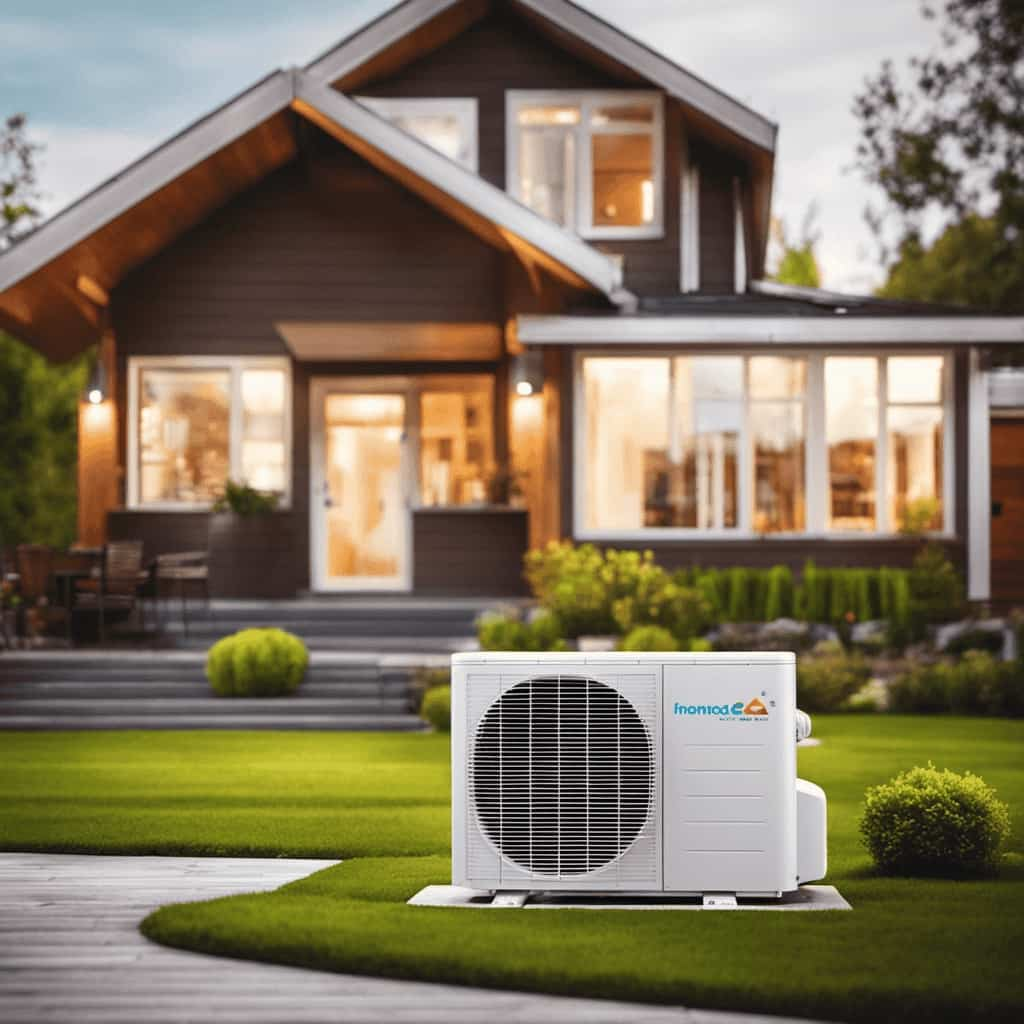
Water conservation: Heat pumps require less water for operation compared to traditional heating and cooling systems, reducing water consumption and preserving this valuable resource.
-
Reduction in fossil fuel usage: Heat pumps rely on electricity instead of fossil fuels, reducing the need for extracting and burning non-renewable resources.
-
Energy efficiency: Higher efficiency ratings mean that heat pumps require less energy to operate, resulting in lower energy consumption and reduced strain on natural resources.
-
Sustainable development: By promoting energy-efficient heating and cooling solutions like heat pumps, we contribute to the long-term sustainability of our natural resources.
-
Reduced carbon emissions: Heat pumps produce fewer greenhouse gas emissions, helping to mitigate climate change and preserve the quality of our air and water resources.
Positive Impact on Climate Change
While heat pumps may seem small in scale, they play a crucial role in mitigating climate change.
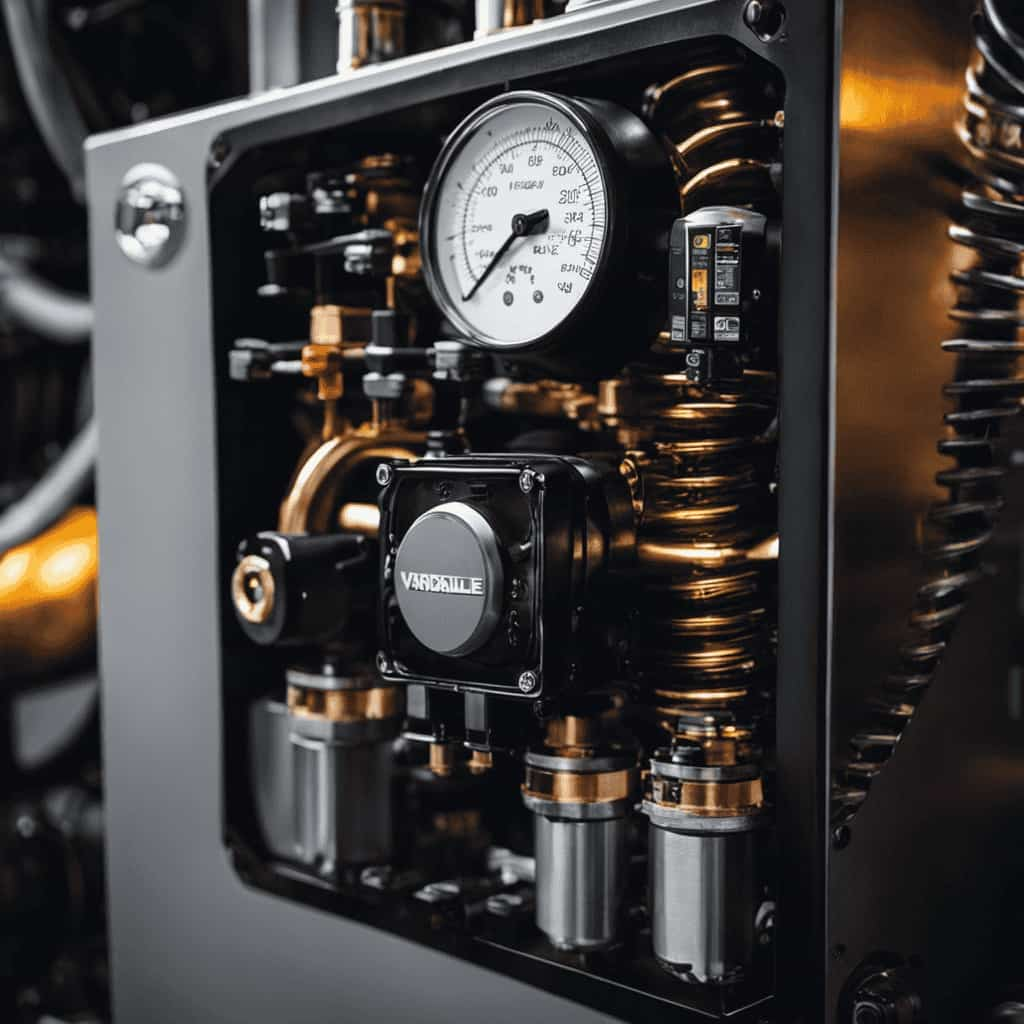
Heat pumps contribute to reducing greenhouse gas emissions by utilizing renewable energy sources and promoting sustainable development. Unlike traditional heating and cooling systems that rely on fossil fuels, heat pumps extract heat from the air, ground, or water, and transfer it indoors.
This process consumes significantly less energy, resulting in lower carbon dioxide emissions. By utilizing renewable energy sources such as solar power or geothermal energy, heat pumps help to reduce the dependence on fossil fuels and promote a cleaner and greener future.
Moreover, heat pumps support sustainable development by ensuring efficient energy use, reducing the environmental impact, and contributing to the global efforts in combating climate change.
Frequently Asked Questions
How Do Heat Pump Efficiency Ratings Contribute to a Reduction in Air Pollution?
Heat pump efficiency ratings contribute to a reduction in air pollution by reducing fossil fuel consumption. This reduction has a positive impact on local air quality, making heat pumps an environmentally friendly choice.

Can Heat Pump Efficiency Ratings Help Homeowners Save Money on Their Energy Bills?
Yes, heat pump efficiency ratings can help us save money on our energy bills. By using less energy to heat or cool our homes, we can reduce our environmental impact while enjoying energy savings.
What Are the Long-Term Benefits of Using Heat Pump Efficiency Ratings in Terms of Energy Conservation?
Using heat pump efficiency ratings can result in long-term energy savings and have a positive environmental impact. By choosing a more efficient heat pump, homeowners can reduce their energy consumption and lower greenhouse gas emissions.
How Do Heat Pump Efficiency Ratings Contribute to a Decrease in Greenhouse Gas Emissions?
Heat pump efficiency ratings contribute to a significant decrease in greenhouse gas emissions. By reducing energy consumption, they promote the adoption of renewable energy sources, resulting in a more sustainable and environmentally friendly future.
Are There Any Government Incentives or Programs in Place to Encourage the Use of Heat Pump Efficiency Ratings?
Yes, there are government incentives and programs in place to encourage the use of heat pump efficiency ratings. These incentives aim to promote energy conservation and provide financial support for individuals and businesses adopting more efficient heating and cooling systems.
Conclusion
In conclusion, the significant environmental benefits of heat pump efficiency ratings can’t be overstated. By decreasing carbon emissions and conserving energy, heat pumps play a crucial role in reducing fossil fuel consumption and preserving our precious natural resources.
Their positive impact on climate change can’t be ignored. Like a gentle breeze on a hot summer’s day, heat pumps offer a sustainable solution that brings us closer to a greener, cleaner future.