As we explore the important environmental impacts of using heat pump energy, we reveal a intricate network of results that require our focus.
We find ourselves at a crossroads, where our choices today have far-reaching implications for tomorrow.
With each heat pump in operation, we witness a simultaneous impact on air quality, depletion of natural resources, contribution to climate change, water consumption and contamination, as well as disposal and recycling challenges.
It is our responsibility to navigate these challenges with a shared commitment to sustainability.
Key Takeaways
- Heat pumps introduce outdoor pollutants into indoor spaces and release volatile organic compounds (VOCs) and particulate matter into the air, leading to respiratory issues and allergies.
- Heat pumps require significant amounts of electricity, often from non-renewable sources, contributing to resource depletion and greenhouse gas emissions.
- Transitioning to renewable energy sources and improving building energy efficiency can minimize the carbon footprint of heat pump operation.
- Heat pump operation requires water, contributing to water scarcity and contamination, which can negatively impact soil, vegetation, and ecosystems.

Jackery Solar Generator 1000 v2 and 200W Solar Panel,1070Wh,1500W AC
- Powerful AC Output: 1500W continuous, 3000W surge
- Lightweight & Portable: 23.8 lbs with foldable handle
- Fast Charging: 0-100% in 1 hour via app
As an affiliate, we earn on qualifying purchases.
Negative Impact on Air Quality
We believe that the increased use of heat pumps can have a detrimental effect on air quality.
Indoor air pollutants are a major concern when it comes to the use of heat pumps. These devices rely on the exchange of air between indoors and outdoors, which can introduce outdoor pollutants into our living spaces.
Additionally, heat pumps themselves can release pollutants such as volatile organic compounds (VOCs) and particulate matter into the air. These pollutants have been linked to a range of health risks, including respiratory issues, allergies, and even long-term effects on cardiovascular health.
Studies have shown that exposure to indoor air pollutants can be especially harmful for vulnerable populations such as children, the elderly, and individuals with pre-existing respiratory conditions.

Therefore, it’s crucial to implement proper ventilation and filtration systems to mitigate the negative impact of heat pumps on air quality and protect our health.

DELLA Econo Series 23000 BTU Mini Split Air Conditioner 17 SEER2, 230V Cools up to 1500 Sq. Ft, Works with Alexa and Wifi, Heater Ductless Inverter System with Heat Pump,16.4ft Installation Kit
- Energy Efficient Cooling: 17 SEER2 inverter heat pump system
- Large Coverage Area: Cools and heats up to 1500 sq. ft.
- Works in Cold Temperatures: Operates down to 5°F (-15°C)
As an affiliate, we earn on qualifying purchases.
Depletion of Natural Resources
Our increased reliance on heat pumps, coupled with their energy-intensive operation, can lead to the depletion of natural resources.
Heat pumps require significant amounts of electricity to operate, which often comes from non-renewable sources such as fossil fuels. The extraction and combustion of these fuels contribute to air and water pollution, as well as greenhouse gas emissions.
Moreover, the production and disposal of heat pump components also contribute to resource depletion. The extraction of materials like copper, aluminum, and steel for manufacturing heat pumps can lead to habitat destruction and the reduction of biodiversity.
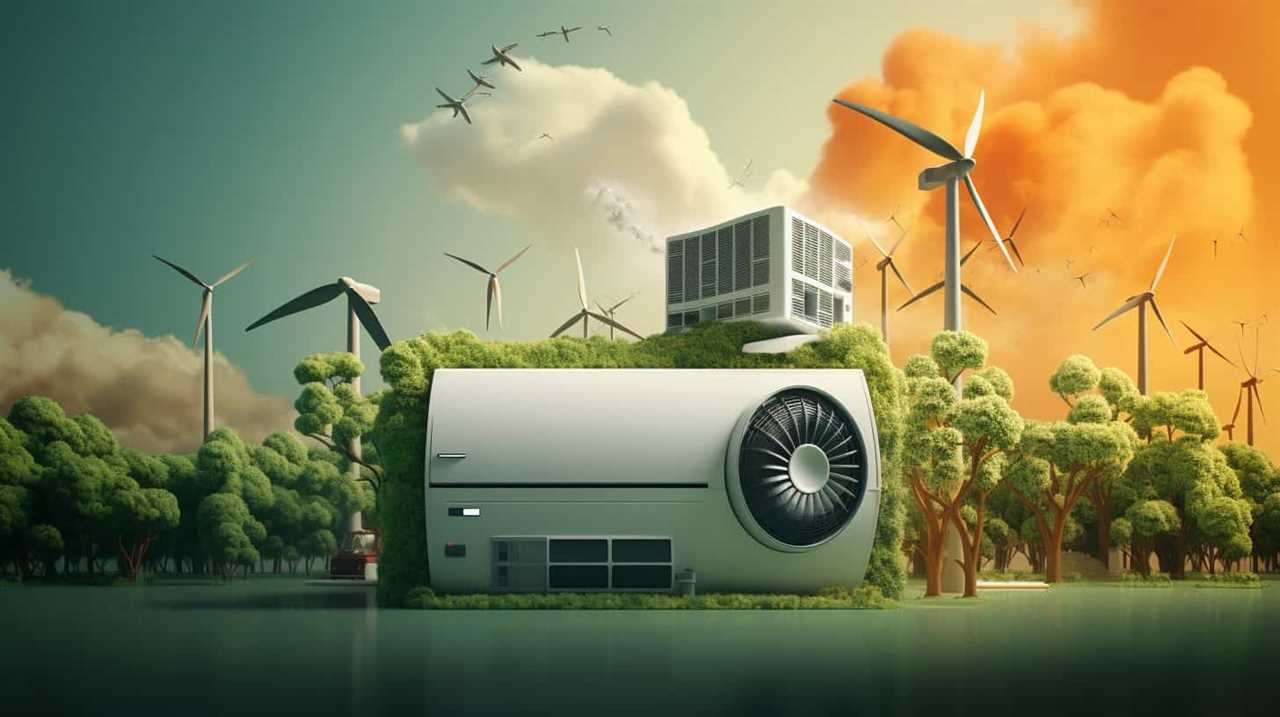
Additionally, the disposal of heat pumps at the end of their lifespan can strain ecosystems, as they contain hazardous materials that can contaminate soil and water.
It’s crucial to consider these environmental consequences when evaluating the sustainability of heat pump energy use.

ECO-WORTHY Powermega 48V 314Ah(2 Pack) LiFePO4 Energy Storage System with Liber 10KP 10kW Hybrid Inverter, Active Balancing BMS, Battery Built-in Bluetooth&WiFi, Communication for Off-Grid&Home Backup
- Home Backup Capacity: 30kWh+ energy storage with inverter
- Communication & Monitoring: WiFi, Bluetooth, RS485, CAN, RS232
- Real-Time System Access: LCD display for voltage, SOC, cycles
As an affiliate, we earn on qualifying purchases.
Contribution to Climate Change
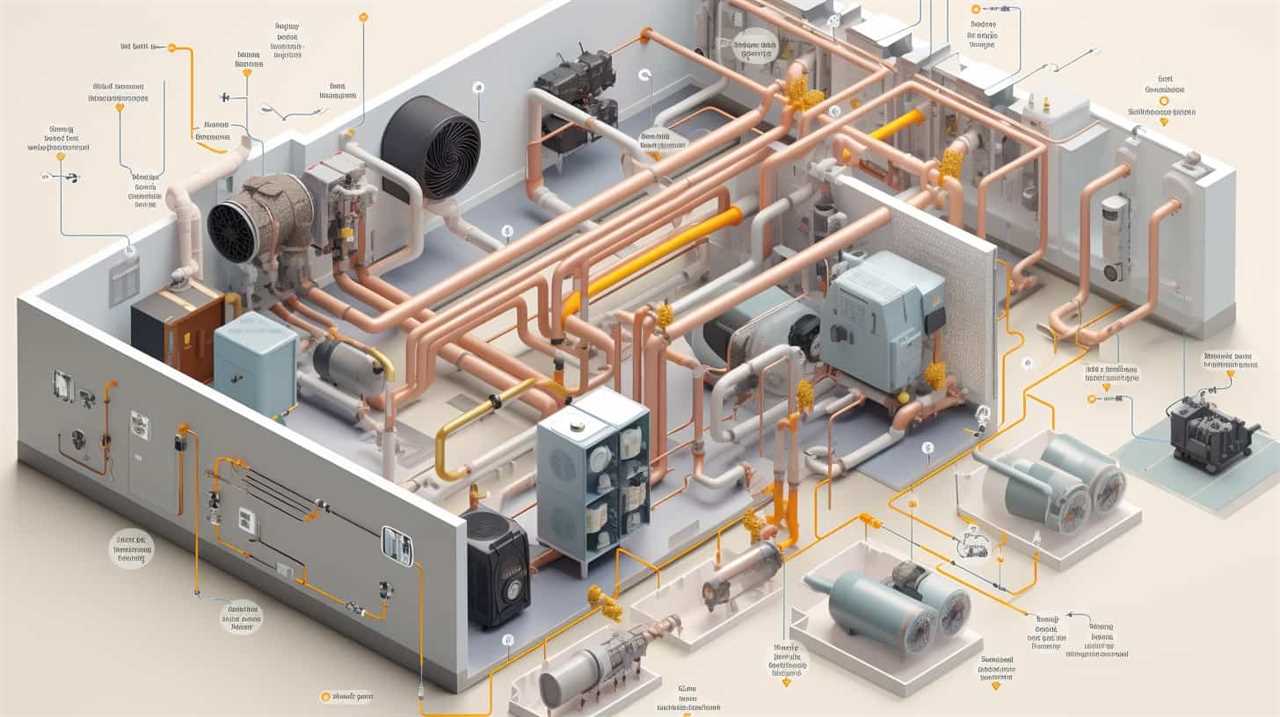
Heat pump energy use contributes to climate change due to the release of greenhouse gases during operation and the reliance on electricity generated from fossil fuels. This has significant implications for our planet and future generations.
Here are some key points to consider:
-
Energy efficiency benefits:
-
Heat pumps are more energy-efficient compared to traditional heating and cooling systems.
-
They can reduce greenhouse gas emissions by up to 50%.
-
The use of heat pumps can help decrease overall energy consumption and dependence on fossil fuels.

-
Alternative solutions:
-
Transitioning to renewable energy sources, such as solar or wind power, can minimize the carbon footprint associated with heat pump operation.
-
Improving the energy efficiency of buildings can reduce the overall demand for heating and cooling.
-
Investing in research and development for new technologies can lead to more sustainable and climate-friendly solutions.


Renogy Inverter P2 3000W, 12V to 110V Pure Sine Wave Solar Car Power Inverter, DC to AC Converter with 16.4FT Remote Control for RV, Truck, Camping, Home Backup, Outdoor, Emergency, Off-Grid Living
- Power Output: 1000W continuous, 2000W surge
- Pure Sine Wave: Provides grid-like quality AC power
- Electronics Protection: Over-voltage, under-voltage, overload, over-temperature protection
As an affiliate, we earn on qualifying purchases.
Water Consumption and Contamination
When using heat pumps, it’s important to consider the potential impact on water consumption and contamination. Heat pumps rely on the transfer of heat from one place to another, and this process often requires the use of water. This can contribute to water scarcity, especially in areas already facing water shortage issues.
Additionally, the water used in heat pumps can become contaminated with chemicals and pollutants, leading to further environmental degradation. Contaminated water can seep into the soil, causing soil degradation and negatively impacting vegetation and ecosystems.
It’s crucial to address these water-related concerns in order to mitigate the potential negative effects of heat pump energy use. As we move forward, it’s necessary to also explore the disposal and recycling challenges associated with heat pumps.
Disposal and Recycling Challenges
As we consider the environmental effects of heat pump energy use, we must address the challenges associated with the disposal and recycling of heat pumps. Proper e-waste management is crucial to minimize the negative impact on the environment.

Here are three key challenges and potential circular economy solutions:
-
Limited recycling infrastructure: Many regions lack the necessary facilities and processes to recycle heat pumps effectively. To overcome this challenge, governments and industries should invest in the development of recycling facilities and encourage the use of standardized components that can be easily recycled.
-
Hazardous materials: Heat pumps often contain hazardous substances, such as refrigerants and heavy metals. Implementing strict regulations and guidelines for the safe handling and disposal of these materials is essential to prevent environmental contamination.
-
Extended product lifespan: Heat pumps have a long lifespan, but their technology can become outdated or inefficient over time. Promoting a circular economy approach, where heat pumps are designed for easy upgrading and refurbishment, can extend their lifespan and reduce the need for disposal.

Frequently Asked Questions
How Does the Use of Heat Pumps Impact Indoor Air Quality?
When we use heat pumps, it’s important to consider the impact on indoor air quality. Indoor air pollution can have detrimental health effects, so it’s crucial to ensure proper ventilation and regular maintenance of the system.
What Natural Resources Are Depleted During the Production and Operation of Heat Pumps?
During the production and operation of heat pumps, natural resources such as metals and fossil fuels are depleted, leading to significant environmental impacts. These include habitat destruction, air and water pollution, and contribution to climate change.
How Does the Energy Consumption of Heat Pumps Contribute to Climate Change?
The energy efficiency of heat pumps plays a crucial role in mitigating climate change. By reducing carbon emissions, they help combat global warming. However, it is important to consider the overall environmental effects of heat pump energy use.
What Is the Water Consumption Associated With Heat Pump Usage, and How Does It Potentially Contaminate Water Sources?
The water consumption associated with heat pump usage and its potential for water contamination are important factors to consider. We must analyze the impact on water sources to fully understand the environmental effects of heat pump energy use.
What Are the Challenges and Environmental Impacts Associated With the Disposal and Recycling of Heat Pumps?
Disposal challenges and recycling impacts are significant factors to consider when examining the environmental effects of heat pump energy use. Proper disposal methods and efficient recycling processes are crucial for minimizing negative impacts.
Conclusion
In conclusion, the widespread use of heat pump energy has significant environmental drawbacks. The negative impact on air quality, depletion of natural resources, contribution to climate change, water consumption and contamination, as well as disposal and recycling challenges, can’t be ignored.
It’s imperative that we consider these crucial environmental effects before fully embracing heat pump energy as a sustainable solution. Let’s not be blind to the hidden costs and ensure our energy choices align with a greener future.