
During winter, heat pumps often cost less to operate because they transfer heat more efficiently, even in cold weather, while electric resistance heaters rely on direct electricity conversion, which is less efficient and more expensive. Seasonal energy costs depend on your utility rates and system efficiency, making heat pumps a better choice for savings during cold months. If you want to understand how these factors impact your bills and which system suits you best, keep exploring.
Key Takeaways
- Heat pumps generally have higher thermal efficiency, reducing energy costs during winter compared to electric resistance heaters.
- Electric resistance heaters consume more energy and are less efficient, leading to higher seasonal utility bills.
- During cold months, heat pumps can transfer heat more efficiently, lowering overall energy expenses.
- Utility rates impact costs: higher electricity prices make efficient systems like heat pumps more cost-effective.
- Proper system choice based on seasonal fluctuations helps manage energy costs and maintain affordability year-round.
As temperatures fluctuate throughout the year, your energy costs can vary considerably from season to season. During the colder months, heating bills tend to spike, and your choice of heating system plays a big role in how much you spend. A key factor to contemplate is the thermal efficiency of your heating system, which measures how effectively it converts energy into heat. Systems with higher thermal efficiency use less energy to produce the same amount of warmth, helping you save money. Additionally, utility rates, which can change based on demand and season, influence your overall costs. When utility rates are high, even a small difference in efficiency can lead to significant savings over time.
Higher thermal efficiency reduces energy use and saves money during seasonal heating fluctuations.
If you’re using electric resistance heating, you might notice that your bills increase sharply during winter. Electric resistance heaters convert electricity directly into heat, which means they typically have a lower thermal efficiency compared to other options. They use a lot of energy to generate heat, and since utility rates are usually higher for electricity, your costs can skyrocket when demand is high. This type of heating is straightforward but can be quite expensive over the long term, especially when the weather gets cold and your heating needs grow.
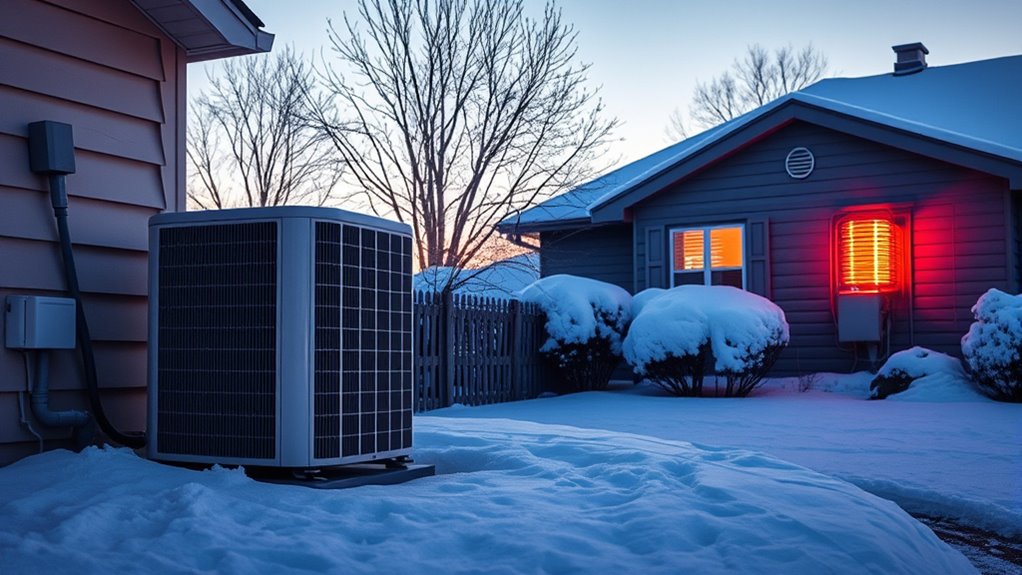
On the other hand, heat pumps offer a more efficient way to heat your home during winter. They work by extracting heat from the outside air, even when it’s cold, and transferring it inside. This process relies on the principle of thermal efficiency, and because heat pumps move heat rather than generate it directly, they can deliver the same amount of warmth using less energy. This efficiency translates into lower energy consumption and, often, reduced utility costs. Even when utility rates are high, the superior thermal efficiency of heat pumps helps you keep your heating expenses more manageable. Plus, many regions offer incentives or rebates for installing energy-efficient systems like heat pumps, which can further offset initial costs.
Ultimately, your choice between heat pumps and electric resistance heating hinges on your local utility rates and the thermal efficiency of each system. During peak winter months, a heat pump’s ability to deliver warmth with less energy can save you a substantial amount of money, especially if utility rates are elevated. Understanding these factors empowers you to make smarter decisions about your home heating, helping you stay comfortable without breaking the bank. With the right system, you can better manage seasonal fluctuations in energy costs and enjoy a warmer home that’s also more affordable to heat year-round.

30 Pint Dehumidifier for Basement, 2500 Sq. Ft Dehumidifiers for Home with Drain Hose, 3 Modes, Smart Humidity Control, 24H Timer, 0.52 Gal Water Tank, for Whole House, Bedroom, Bathroom, Garage, Rv
Powerful 30-Pint Moisture Removal for Spaces up to 2500 Sq. Ft: High humidity can make rooms feel damp,...
As an affiliate, we earn on qualifying purchases.
Frequently Asked Questions
How Do Climate Variations Affect Heat Pump Efficiency?
Climate impact profoundly influences heat pump efficiency, causing fluctuations based on outdoor temperatures. In milder weather, heat pumps operate more efficiently, saving you energy costs. However, in extreme cold or heat, their efficiency drops because they work harder to maintain indoor comfort. You’ll notice these efficiency fluctuations, especially during seasonal changes, making it important to choose a system suited for your climate to optimize performance and savings.
What Maintenance Is Required for Heat Pumps During Winter?
Think your heat pump is invincible? Think again! For winter performance, you need a quick maintenance checklist: clean or replace filters, check the outdoor coil for debris, and make sure the thermostat is calibrated. Don’t forget to clear snow and ice around the unit. Regularly inspecting these elements keeps your heat pump running smoothly, saving you from unexpected breakdowns and chilly surprises during the coldest months.
Are There Tax Incentives for Installing Heat Pumps?
You can often benefit from tax incentives when installing heat pumps, including tax credits and rebate programs. These incentives aim to encourage energy-efficient upgrades and can substantially reduce your upfront costs. Check with your local government or utility providers to find current programs available in your area. Taking advantage of these incentives can make switching to a heat pump more affordable and help you save on energy bills long-term.
How Quickly Can a Heat Pump Pay for Itself?
A heat pump can pay for itself in about 3 to 7 years, depending on your climate, energy costs, and usage. The cost comparison shows higher installation costs upfront but lower operating expenses over time. Your savings on energy bills, combined with tax incentives, help offset installation costs faster. Regular maintenance also guarantees peak efficiency, speeding up the return on your investment.
Do Heat Pumps Work Effectively in Extremely Cold Temperatures?
Heat pumps can work effectively in extremely cold temperatures, especially newer models designed for harsh climates. Their durability depends on proper installation and regular maintenance, which helps them perform at their best. Be aware of installation challenges in colder regions, such as the need for additional insulation or auxiliary heating. With the right setup, a heat pump remains a reliable and energy-efficient choice even during severe winter weather.

70 Pint Crawl Space Dehumidifier with Energy Star & Pump & Drain Hose for Basement, Commercial, Whole House, Industrial, Water Damage Restoration, Spaces Up to 2000 Sq Ft, Auto Defrost,Memory Restart
COMMERCIAL 70-PINT CAPACITY (2,000 SQ. FT. COVERAGE): Engineered for high-efficiency moisture removal, this unit removes 70 pints per...
As an affiliate, we earn on qualifying purchases.
Conclusion
When choosing between heat pumps and electric resistance heating, remember that your decision shapes not just your comfort but also your wallet and the environment. Like a compass guiding your way, understanding seasonal energy costs helps you navigate smarter choices. Ultimately, selecting the most efficient system isn’t just about saving money—it’s about investing in a sustainable future. So, ask yourself: will your choice be a fleeting spark or a lasting flame of conservation?

Waykar 158 Pints Crawl Space Dehumidifier with Remote Control up to 6,500 sq. ft., Dual Duct HVAC Commercial Whole-House Dehumidifier for Basement, Industry Water Damage Unit - 5-Year Quality Coverage
【158 Pint Crawl Space Dehumidifier】The Waykar whole-house dehumidifier removes up to 158 pints of moisture per day (under...
As an affiliate, we earn on qualifying purchases.
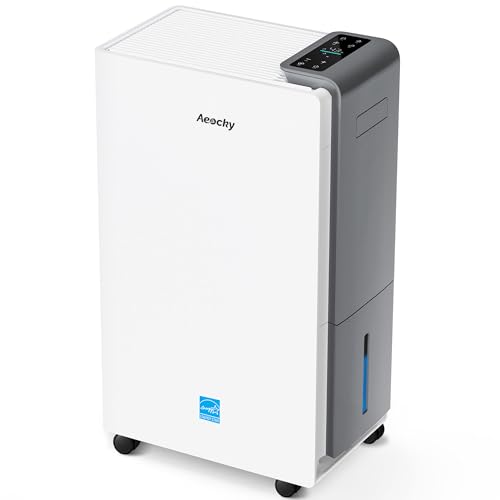
AEOCKY 4500 Sq.Ft Energy Star Most Efficient 2025 Dehumidifier, Max 80 Pint/Day Smart Compressor Dehumidifier with Drain Hose, Intelligent Humidistat,for Basement,Bedroom,Home,Bathroom
【ENERGY STAR 25 ≠ ENERGY STAR Most Efficient 2025】Don't fall for competitors' word games. With only 2.6% of...
As an affiliate, we earn on qualifying purchases.