
Using predictive algorithms for optimized climate control allows you to proactively adjust your system based on weather forecasts, indoor sensors, and past patterns. This technology anticipates environmental changes, maintaining stable comfort and reducing energy waste. It fine-tunes operation, prevents unnecessary heating or cooling, and adapts to occupancy habits. By shifting from reactive to predictive responses, you’ll experience more efficient, responsive climate management. Keep exploring to discover how these intelligent systems can transform your space.
Key Takeaways
- Analyze environmental data to forecast changes and enable proactive climate adjustments.
- Enhance energy efficiency by minimizing unnecessary heating, cooling, and ventilation.
- Improve user comfort through stable indoor environments and preemptive temperature adjustments.
- Respond faster to environmental shifts, reducing wasteful HVAC cycling and extending equipment lifespan.
- Adapt to occupancy patterns and learn over time for continuous optimization of climate control.

Predictive algorithms are transforming climate control systems by enabling them to anticipate and respond to environmental changes in real-time. Instead of reacting after conditions have shifted, these algorithms analyze data from multiple sources—such as weather forecasts, indoor sensors, and historical patterns—to make proactive adjustments. This shift from reactive to predictive control unlocks considerable benefits, especially in enhancing energy efficiency and user comfort.
Predictive algorithms optimize climate control by anticipating changes, boosting energy efficiency and user comfort through proactive adjustments.
When you implement predictive algorithms, your climate system doesn’t just operate on static schedules or basic temperature settings. Instead, it learns from patterns and incoming data to optimize performance continuously. For example, if the weather forecast predicts a cold front, your system can preheat or pre-cool spaces accordingly, reducing energy spikes caused by sudden temperature shifts. This proactive approach prevents overcompensation and minimizes unnecessary energy consumption, ultimately lowering your utility bills and reducing your carbon footprint.
Energy efficiency is a core advantage of these systems. Traditional climate controls often run at fixed schedules or respond too slowly to environmental changes, wasting energy by heating or cooling when it’s unnecessary. Predictive algorithms, however, fine-tune system operation based on anticipated needs. By adjusting heating, cooling, and ventilation with precision, you avoid wasteful cycling and overuse of equipment. As a result, your system runs only when needed, conserving energy and extending the lifespan of HVAC components.
Beyond saving energy, predictive algorithms markedly improve user comfort. You won’t experience the discomfort of sudden temperature fluctuations or inconsistent indoor climates. Instead, the system maintains a stable environment tailored to your preferences, adjusting in advance to external conditions. Imagine waking up to a warm room on a chilly morning because your system predicted the drop in temperature and preheated accordingly. This seamless regulation creates a more comfortable living or working space without you having to manually adjust settings constantly.
Furthermore, these algorithms can adapt to occupancy patterns and personal preferences, making climate control more responsive and personalized. If your routines change, the system learns and adjusts over time, ensuring optimal comfort without requiring constant manual input. This intelligent adaptability not only enhances your comfort but also reduces unnecessary energy use during unoccupied periods. Incorporating AI capabilities allows these systems to continually improve their predictive accuracy and responsiveness, further optimizing performance.

Albott 12,000 BTU Mini Split Air Conditioner and Heater SEER2 18, 115V
- All-in-One Comfort Control: Cooling, heating, dehumidifying, fan modes
- Temperature Range: 61°F to 90°F with timer and sleep mode
- Energy Efficiency: SEER2 18, advanced invert heat pump
As an affiliate, we earn on qualifying purchases.
Frequently Asked Questions
How Do Predictive Algorithms Adapt to Unexpected Weather Changes?
You can’t always predict weather variability perfectly, but predictive algorithms adapt by continuously updating their models with real-time data, improving data accuracy. When unexpected weather changes occur, these algorithms quickly analyze new information, adjust their predictions, and modify climate control settings accordingly. This dynamic process helps maintain ideal comfort and efficiency, even amid sudden shifts, ensuring your environment responds effectively to unpredictable weather variability.
What Are the Privacy Concerns With Climate Control Data?
You should be aware that climate control data raises privacy concerns because it often involves tracking your habits and preferences. Data privacy becomes an issue if sensitive information is shared or misused. Always guarantee your user consent is obtained before your data is collected or used. By understanding your rights and reviewing privacy policies, you can better protect your personal information from unauthorized access or sharing.
Can Predictive Algorithms Integrate With Existing HVAC Systems?
Yes, predictive algorithms can seamlessly integrate with your existing HVAC systems. They analyze data to enhance energy efficiency and improve user comfort by adjusting settings proactively. You’ll notice better temperature regulation, reduced energy costs, and a more comfortable environment. Many systems are designed for compatibility, making upgrades straightforward without needing complete overhauls. This integration helps maximize your climate control, ensuring ideal performance and comfort tailored to your preferences.
What Is the Cost-Benefit Analysis of Implementing Predictive Climate Control?
Implementing predictive climate control can offer significant cost savings and boost energy efficiency, making it a smart investment. While upfront costs for technology and installation may seem high, the long-term benefits include reduced energy bills and better system performance. You’ll find that the improved accuracy and responsiveness of predictive algorithms lead to more comfortable environments, ultimately balancing initial expenses with ongoing savings and environmental benefits.
How Do Algorithms Handle Multiple Zones With Different Climate Needs?
You’d think managing multiple zones with different needs would be chaos, but predictive algorithms master it effortlessly. They coordinate zones by analyzing temperature, humidity, and occupancy patterns, ensuring each space gets tailored comfort. This smart zone coordination boosts energy efficiency, saving you money and reducing waste. So, while you relax, these algorithms work tirelessly, balancing diverse climate needs seamlessly—making multi-zone climate control smarter, not harder.
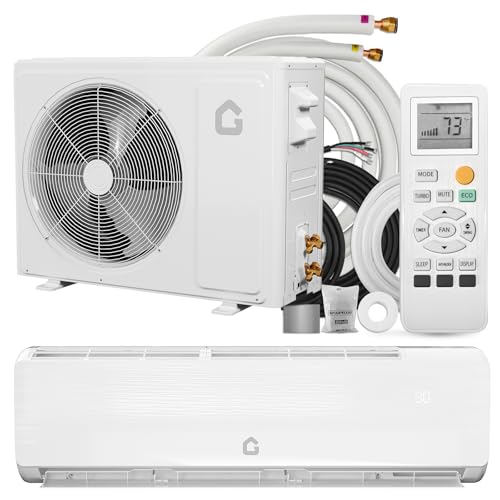
GarveeHome 18000 BTU Mini Split Air Conditioner Heat Pump System, 19 SEER2 230V Ductless AC Cool Up to 1250 Sq. Ft, Complete Installation Kit, White
- High-Efficiency Climate Control: Cools and heats up to 1250 sq ft with inverter tech
- Versatile Operating Modes: Auto, cool, dry, heat, fan with timers and modes
- Quiet Operation: Operates below 42dB for peaceful environment
As an affiliate, we earn on qualifying purchases.
Conclusion
By embracing predictive algorithms for climate control, you uncover unmatched understanding and ultimate utility. These clever, calculated cues craft a comfortable, consistent climate, creating a cozy, controlled environment. As you adopt these advanced algorithms, you proactively prevent problems and promote perfect, personalized conditions. So, step into the smarter, smoother, and more sustainable future of climate control—where precision, performance, and peace of mind perfectly prevail. Your climate, controlled confidently, is just a calculation away.

Temprium 12000 BTU Mini Split Air Conditioner, 115V 22 SEER2 AC & Heat Pump
- Energy Efficient 22 SEER2: Advanced inverter technology reduces energy use
- Powerful Cooling & Heating: Cools up to 750 sq. ft., heats down to 5°F
- Eco-Friendly R32 Refrigerant: Low GWP for environmental safety
As an affiliate, we earn on qualifying purchases.

Nexaro 12000BTU Mini Split Air Conditioner Heat Pump, 19 SEER2 Inverter Compressor AC Unit Cools Rooms up to 750 Sq. Ft, 230V Ductless Split AC with Pre-Charged Condenser & Installation Kit
- Year-Round Climate Control: Efficient cooling and heating with inverter technology
- Wide Area Coverage: Cools or heats up to 1250 sq.ft.
- Eco-Friendly Refrigerant: Uses low GWP R32 refrigerant
As an affiliate, we earn on qualifying purchases.