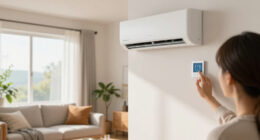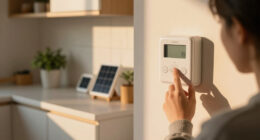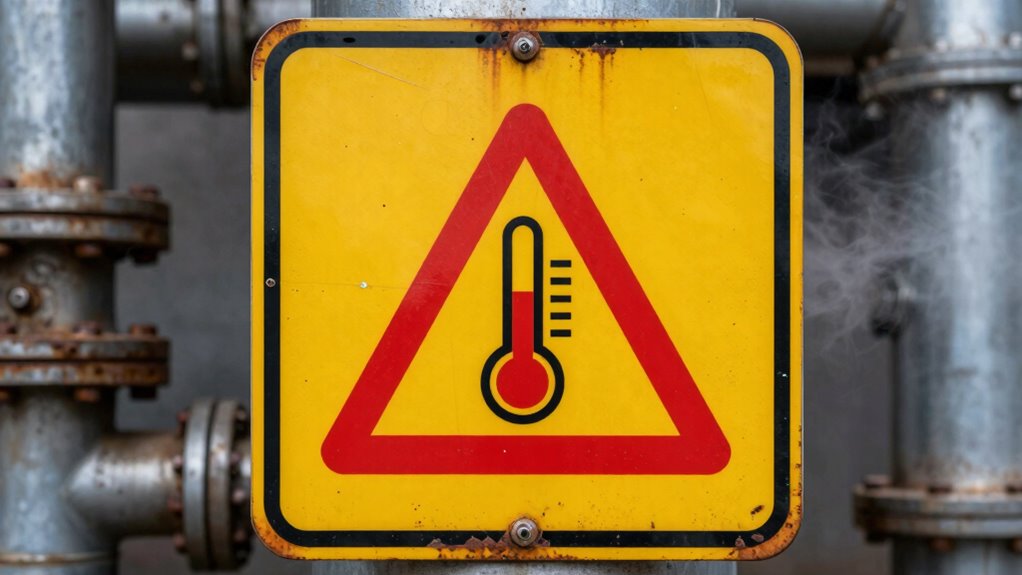

If you notice your system’s discharge temperature warning light, gauge, or alarms activating, don’t ignore them. These signs indicate your cooling system isn’t working properly, risking overheating and potential equipment failure. Common causes include clogged filters, faulty fans, or low coolant levels. Take immediate steps like shutting down the equipment, inspecting components, and maintaining proper coolant levels. Ignoring these signs can lead to costly repairs, so stay alert—more insights await you.
Open a free Amazon Business account
Business pricing, bulk buying and tax-exempt orders.
As an affiliate, we earn on qualifying purchases.
Key Takeaways
- Ignoring temperature warnings risks equipment damage and safety hazards due to overheating.
- Visual or audible alerts indicate critical temperature thresholds are exceeded.
- Overheating can stem from clogged filters, malfunctioning fans, or coolant issues.
- Immediate shutdown and inspection are essential to prevent system failure.
- Regular maintenance helps detect early signs and maintain effective temperature regulation.

A discharge temperature warning sign is an essential indicator that alerts you when a system’s temperature exceeds safe operating limits. Recognizing this warning is fundamental because it directly relates to the health and safety of your equipment. When you see this sign, it means the cooling system isn’t effectively regulating temperature, and urgent action might be needed to prevent damage or failure. Your cooling system plays a critical role in maintaining peak performance by controlling heat buildup, and any interruption or malfunction can quickly lead to overheating. Ignoring a discharge temperature warning sign could result in costly repairs, downtime, or even safety hazards, so it’s important to understand what it signals and how to respond.
A discharge temperature warning signals system overheating and requires immediate attention to prevent damage and ensure safety.
This warning sign often appears as a visual alert, such as a gauge needle moving into the danger zone, a flashing light, or an alarm activation. It indicates that the temperature of the discharge—the heated fluid or gases exiting the system—has risen beyond safe thresholds. When this happens, it’s a clear sign that the temperature regulation process isn’t functioning properly. You might suspect issues like clogged filters, malfunctioning cooling fans, or failing heat exchangers. In some cases, the system may be overloaded or operating under conditions it wasn’t designed for. Whatever the cause, it’s essential to take immediate steps to diagnose and address the problem before it escalates. Regular maintenance routines and understanding cooling system components are key to preventing these warnings from occurring unexpectedly. Being aware of discharge temperature thresholds and how they relate to system safety can also help you better interpret warning signs and respond promptly.
Your first move should be to shut down the equipment if possible, to prevent further heat buildup. Check the cooling system components for signs of wear or blockage. Confirm that coolant levels are adequate, and verify that fans and pumps are operational. Often, a simple maintenance check can resolve the issue, but persistent warnings mean you should consult with a professional. Regular inspections and preventative maintenance help guarantee your cooling system maintains dependable temperature regulation, reducing the likelihood of such warnings altogether. Additionally, understanding system overloads can help prevent overheating caused by excessive operational demands. Recognizing early warning signs allows for quicker intervention, minimizing potential damage and downtime.
Understanding the importance of a discharge temperature warning sign empowers you to act swiftly and appropriately. It’s not just a prompt for minor adjustments; it’s a critical alert that your system is under stress. By keeping a close eye on these signs and maintaining your cooling system, you safeguard your equipment’s longevity, efficiency, and safety. Don’t ignore it—addressing the warning early can save you money, time, and potential safety concerns down the line.
cooling system discharge temperature gauge
As an affiliate, we earn on qualifying purchases.
As an affiliate, we earn on qualifying purchases.
Frequently Asked Questions
How Accurate Are Discharge Temperature Sensors?
Discharge temperature sensors are generally accurate when properly calibrated, but their measurement accuracy can vary depending on sensor quality and maintenance. Regular sensor calibration ensures your readings stay reliable, preventing costly errors. Over time, sensors may drift, reducing accuracy, so routine checks are essential. By maintaining proper calibration protocols, you can trust your discharge temperature sensors to provide precise data, helping you optimize system performance and avoid potential failures.
What Are Common Causes of Temperature Sensor Failure?
When things go south with your sensors, it’s often due to wiring issues or poor calibration. You might experience failure if the wiring becomes loose or corroded, disrupting signals. Sensor calibration drift over time can also lead to inaccurate readings. Keep a close eye on wiring integrity and regularly calibrate your sensors to prevent failures, because ignoring these signs might turn a small problem into a bigger, costly headache down the line.
Can Discharge Temperature Issues Affect Other System Components?
Yes, discharge temperature issues can impact other system components. When calibration is off or sensors fail, overheating may occur, causing components to work harder or fail prematurely. Elevated discharge temperatures can lead to system inefficiencies and damage, especially if cooling systems aren’t properly maintained. Regularly monitoring and adjusting system calibration helps prevent overheating, protecting your equipment and ensuring best performance. Ignoring temperature warnings risks costly repairs and downtime.
How Often Should Discharge Temperature Be Checked?
You should check discharge temperature regularly, ideally during your maintenance schedules, to prevent issues. Follow proper calibration procedures to guarantee accurate readings. Depending on your equipment and usage, weekly or monthly checks are recommended. Consistent monitoring helps you detect early warning signs, avoid system damage, and maintain peak performance. Incorporate discharge temperature checks into your routine maintenance to keep your system running smoothly and avoid costly repairs.
What Safety Precautions Are Necessary When Inspecting Discharge Temperature?
Think of inspecting discharge temperature like steering a treacherous river—you need safety gear and precise equipment calibration. Always wear appropriate safety gear, including gloves and eye protection, to shield against hot surfaces. Make sure your measuring devices are calibrated accurately to avoid false readings. Carefully approach the system, keeping a safe distance, and be alert for any signs of overheating, so you prevent accidents before they happen. Safety first keeps your journey smooth.
HVAC system temperature warning alarm
As an affiliate, we earn on qualifying purchases.
As an affiliate, we earn on qualifying purchases.
Conclusion
Ignoring the discharge temperature warning sign is like neglecting the canary in the coal mine — it’s a silent alarm warning you of impending danger. Just as the Titanic’s iceberg was a stark reminder of overlooked warnings, your machinery’s temperature gauge signals when trouble brews. Don’t dismiss it; heed the alert before minor issues turn into catastrophic failures. Stay vigilant and maintain your equipment; your safety depends on listening to these vital signs, much like ancient mariners heeded the stars.
coolant level indicator for industrial systems
As an affiliate, we earn on qualifying purchases.
As an affiliate, we earn on qualifying purchases.
As an affiliate, we earn on qualifying purchases.
NFL season / tailgating Picks
team gear
As an affiliate, we earn on qualifying purchases.