If you’re looking for the best wall-mounted ERV units in 2026, I recommend considering the Broan B210E75RT for its smart airflow management and easy installation, the Pioneer ECOasis for quiet, ductless operation with advanced sensors, and the VENTS-US Frigate for reliable moisture and heat recovery suited to various climates. These models combine energy efficiency, user-friendly controls, and adaptable design. Keep exploring to discover detailed features that can help you choose the perfect system for your needs.
Key Takeaways
- Choose units with high energy recovery efficiency, up to 97%, for optimal energy savings and indoor air quality.
- Prioritize models with advanced filters (MERV 13 or HEPA) and built-in sensors like CO2 for pollutant control.
- Opt for units with low noise levels under 35 dB to ensure a quiet indoor environment.
- Select versatile installation options, including wall-mounted with adjustable brackets and multiple port configurations.
- Expect top models to feature smart controls, Wi-Fi connectivity, and easy maintenance for future-proof operation.
| Broan B210E75RT AI 206 CFM Energy Recovery Ventilator |  | Smart Installation | Airflow Capacity: Up to 210 CFM | Filtration Type: MERV 8, optional HEPA | Energy Recovery Efficiency: Up to 81% SRE | VIEW LATEST PRICE | See Our Full Breakdown |
| Pioneer ECOasis 50 Ductless Energy Recovery Ventilator | 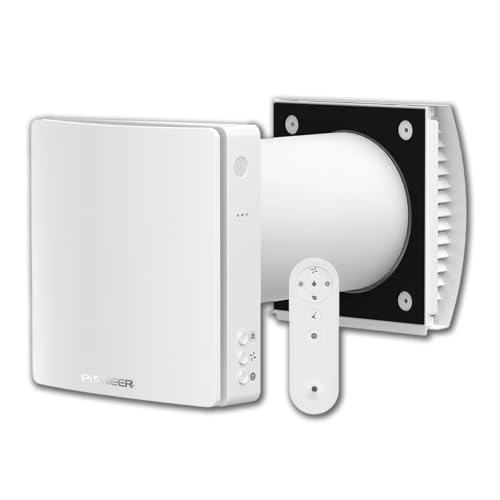 | Energy Leader | Airflow Capacity: 35 CFM | Filtration Type: MERV 13 (F7), washable prefilters | Energy Recovery Efficiency: Up to 97% heat recovery | VIEW LATEST PRICE | See Our Full Breakdown |
| VENTS-US Frigate ERV 150 Ventilation System | 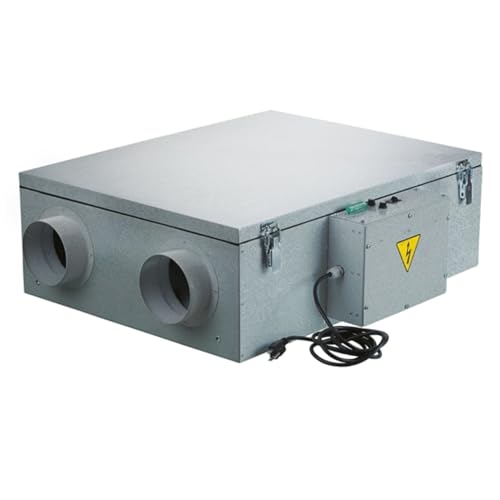 | Compact Durability | Airflow Capacity: Not specified (designed for balanced ventilation) | Filtration Type: Washable MERV 6 | Energy Recovery Efficiency: Enthalpy core for heat/moisture recovery | VIEW LATEST PRICE | See Our Full Breakdown |
More Details on Our Top Picks
-
Pioneer ECOasis 50 Ductless Energy Recovery Ventilator
Ultra High Efficiency ECOasis ERV-rm Series Ductless Energy Recovery Ventilation System with 97% Heat Recovery| Minimal Energy Consumption...
As an affiliate, we earn on qualifying purchases.
Broan B210E75RT AI 206 CFM Energy Recovery Ventilator
The Broan B210E75RT AI 206 CFM Energy Recovery Ventilator is an excellent choice for homeowners seeking a hassle-free, efficient way to improve indoor air quality. Its VIRTUO technology automates airflow verification and balancing, making setup quick and simple. You can install it suspended or wall-mounted, thanks to universal brackets and versatile port options. With energy-efficient ECM PMSM motors, it delivers powerful airflow and high recovery efficiency, even in cold weather. The built-in LCD makes adjusting airflow, monitoring power, and troubleshooting straightforward. Overall, this ERV combines ease of installation, performance, and user-friendly controls—perfect for maintaining healthier, more comfortable indoor environments.
- Airflow Capacity:Up to 210 CFM
- Filtration Type:MERV 8, optional HEPA
- Energy Recovery Efficiency:Up to 81% SRE
- Control Method:LCD display, diagnostics, universal control compatibility
- Installation Options:Suspended or wall-mount, top/side ports
- Noise Level:Not specified
- Additional Feature:Self-adjusting airflow system
- Additional Feature:Universal control compatibility
- Additional Feature:Top and side port options
-
VENTS-US Frigate ERV 150 Ventilation System – 180 CFM Whole House Fresh Air Intake and Humidity Exhaust for Balanced Indoor Comfort, Includes Washable Filters and Anti-Freeze Protection
Balanced Ventilation with Energy Savings – Brings in fresh, filtered outdoor air while removing stale indoor air using...
As an affiliate, we earn on qualifying purchases.
Pioneer ECOasis 50 Ductless Energy Recovery Ventilator
Looking for a compact, high-efficiency ERV that seamlessly improves indoor air quality without taking up much space? The Pioneer ECOasis 50 Ductless ERV is perfect. It boasts up to 97% heat recovery, supplies 35 CFM of fresh, treated air, and operates quietly at just 32.7 dB. Its wall-mounted, ductless design fits various wall thicknesses and weighs only 16 pounds. Equipped with washable prefilters, a MERV13 filter, and a built-in CO2 sensor, it actively manages pollutants and oxygen levels. Plus, with Wi-Fi control and seasonal adjustments, it’s energy-efficient and easy to operate, making it a smart choice for any modern home.
- Airflow Capacity:35 CFM
- Filtration Type:MERV 13 (F7), washable prefilters
- Energy Recovery Efficiency:Up to 97% heat recovery
- Control Method:Smartphone app, remote, onboard interface
- Installation Options:Wall-mounted, adjustable duct span
- Noise Level:32.7 dB(A)
- Additional Feature:Built-in CO2 sensor
- Additional Feature:Wi-Fi app control
- Additional Feature:Quiet operation mode
VENTS-US Frigate ERV 150 Ventilation System
For homeowners seeking energy-efficient ventilation that improves indoor air quality without sacrificing space, the VENTS-US Frigate ERV 150 stands out as an ideal choice. Its balanced system brings in fresh, filtered outdoor air while removing stale indoor air, thanks to an enthalpy core that recovers heat and moisture. It operates quietly at 1.9 sones with dynamically balanced fans for enhanced airflow. The compact design, housed in corrosion-resistant steel, fits tight spaces easily. Features like washable MERV 6 filters, frost protection, and automatic defrost ensure low maintenance and reliable performance in varying climates, making it a versatile, efficient ventilation solution.
- Airflow Capacity:Not specified (designed for balanced ventilation)
- Filtration Type:Washable MERV 6
- Energy Recovery Efficiency:Enthalpy core for heat/moisture recovery
- Control Method:Not specified (manual controls implied)
- Installation Options:Slim, compact, tight installation space
- Noise Level:1.9 sones (approx. moderate noise level)
- Additional Feature:Corrosion-resistant steel casing
- Additional Feature:Automatic frost protection
- Additional Feature:Enthalpy heat and moisture recovery
Factors to Consider When Choosing a Wall-Mounted ERV

When choosing a wall-mounted ERV, I consider factors like installation flexibility, energy efficiency, and indoor air quality features to guarantee it fits my space and needs. Noise levels and maintenance requirements also matter because they impact daily comfort and long-term performance. By weighing these points, I can select an ERV that balances efficiency, convenience, and quiet operation.
Installation Flexibility Options
Choosing a wall-mounted ERV requires considering its installation flexibility to guarantee it fits seamlessly into your space. I look for units offering multiple installation options, like suspended or wall-mount configurations, to suit different room sizes and layouts. It’s also helpful if the system supports both top and side port connections, making it easier to connect to existing ductwork or air channels. Adjustable mounting brackets or universal hardware are essential for accommodating various wall types and thicknesses. I also check if the unit allows for both fixed and adjustable mounting heights to adapt to different room designs. Ultimately, easy access to controls and filters without extensive modifications is vital for smooth maintenance and operation. Flexibility in installation ensures the ERV fits your space and setup perfectly.
Energy Efficiency Ratings
Energy efficiency ratings are key factors I consider because they directly influence how much energy a wall-mounted ERV conserves during operation. These ratings, like sensible recovery efficiency (SRE) or total heat recovery efficiency, show how well the unit recovers and conserves heat. Units with efficiency ratings up to 97% can notably lower energy consumption by maximizing heat transfer between incoming and outgoing air. For cold climates, certification standards at temperatures like -25°C ensure reliable performance in low temperatures. The efficiency rating also impacts heating and cooling costs by preconditioning incoming air, easing the load on HVAC systems. Comparing these efficiencies across models helps me find units that offer the best balance of performance and energy savings tailored to specific climate conditions.
Indoor Air Quality Features
Indoor air quality features are essential because they directly impact the health and comfort of everyone in the space. Wall-mounted ERVs improve air quality by bringing in tempered, filtered outdoor air and exhausting stale indoor air. High-efficiency filters like MERV 13 or HEPA can greatly reduce dust, allergens, pollutants, and microbial VOCs, making the air safer to breathe. Built-in sensors, such as CO2 sensors, allow the system to automatically adjust ventilation based on real-time indoor air quality levels, ensuring *ideal* air exchange. Proper filtration and continuous monitoring help alleviate allergy symptoms, coughing, and fatigue, while enhancing overall breathability. When selecting an ERV, prioritize those with advanced filtration and sensing capabilities to create a healthier, more comfortable indoor environment.
Noise Level Considerations
When selecting a wall-mounted ERV, paying attention to noise levels is essential for maintaining a comfortable environment. ERV noise is measured in decibels (dB), with quieter models operating below 35 dB for unobtrusive use. Units with advanced sound insulation or noise-reduction features can considerably lower operational noise, making them ideal for bedrooms or quiet spaces. The fan speed settings and airflow rates also impact noise; higher airflow generally results in louder operation. Proper installation is important—mounting the unit away from living areas or using sound-dampening materials can help minimize disturbance. Most manufacturers specify the noise levels in their product specs, so comparing these details allows you to choose an ERV that aligns with your noise comfort preferences.
Maintenance Requirements
Maintaining a wall-mounted ERV involves more than just installation; regular upkeep is essential to keep it running efficiently and guarantee good air quality. Regularly cleaning or replacing filters—typically every 3 to 6 months—ensures peak airflow and efficiency. Some ERVs have washable filters, which can be cleaned and reused, lowering ongoing costs. It’s also important to periodically inspect components like fans and motors for wear or issues, catching problems early. Clearing obstructions from air intake and exhaust ports keeps airflow unobstructed and system performance at its best. Many modern units include diagnostic displays or error codes, making troubleshooting quicker and easier. Overall, consistent maintenance helps extend the lifespan of your ERV and maintains healthy, fresh indoor air.
Control and Connectivity
Choosing a wall-mounted ERV with the right control and connectivity features can make all the difference in managing your indoor air quality effortlessly. Look for units with user-friendly interfaces like LCD screens, remote controls, or smartphone apps, so you can easily monitor and adjust settings. Connectivity options like Wi-Fi or smart home integration allow for remote control and automation, making system management seamless. It’s important that the control system provides real-time data on airflow, power use, and error codes, helping you troubleshoot and optimize performance. Additionally, consider if the ERV supports programmable settings or seasonal adjustments to increase energy efficiency year-round. Compatibility with existing building automation systems also ensures smooth integration, giving you thorough control over your indoor environment.
Frequently Asked Questions
How Often Should I Service My Wall-Mounted ERV Unit?
I recommend servicing your wall-mounted ERV unit at least once a year. Regular maintenance, like cleaning filters and inspecting for blockages, guarantees it runs efficiently and prolongs its lifespan. If you notice reduced airflow or strange noises, don’t wait—service it sooner. Staying on top of maintenance helps maintain indoor air quality and saves you money in the long run. Trust me, it’s worth the effort!
Are Wall-Mounted ERVS Suitable for All Climate Zones?
Wall-mounted ERV units are generally suitable for most climate zones, but I recommend checking their specifications for extreme conditions. Some models are designed to handle very cold or hot environments effectively. I’ve found that selecting an ERV with the right capacity and features for your specific climate guarantees peak performance and energy efficiency. Don’t assume all units fit every climate—research and choose one tailored to your local weather for the best results.
Can These ERVS Be Integrated With Smart Home Systems?
Yes, many wall-mounted ERV units can be integrated with smart home systems. I’ve found that newer models often come with Wi-Fi connectivity or compatibility with popular smart home platforms like Alexa or Google Home. This allows me to control ventilation remotely, set schedules, and monitor air quality easily. Just make certain to check the product specifications before buying to guarantee it supports your preferred smart home ecosystem.
What Is the Typical Lifespan of a Wall-Mounted ERV?
A wall-mounted ERV typically lasts around 10 to 15 years, depending on usage and maintenance. I recommend regular filter changes and inspections to extend its lifespan. Proper upkeep can make a big difference, and sometimes, high-quality units may last even longer. If you stay on top of maintenance, you’ll get the most out of your ERV, ensuring it continues to improve your home’s ventilation efficiently.
How Noisy Are These ERV Units During Operation?
Wall-mounted ERV units are generally quite quiet during operation, often producing noise levels comparable to a soft conversation or background ambient sound. I’ve found that most modern models incorporate sound-dampening features that minimize noise, making them unobtrusive in everyday life. While some units might produce a slight hum when running at higher speeds, overall, they’re designed to operate quietly, ensuring they don’t disturb your comfort or peace.
Conclusion
Choosing the right wall-mounted ERV can considerably improve your indoor air quality and energy efficiency. Did you know that energy recovery ventilators can reduce heating and cooling costs by up to 30%? With options like the Broan B210E75RT, Pioneer ECOasis, and VENTS-US Frigate ERV, you’re sure to find a system that fits your needs. Investing in a quality ERV isn’t just smart—it’s a step toward healthier, more comfortable living spaces.