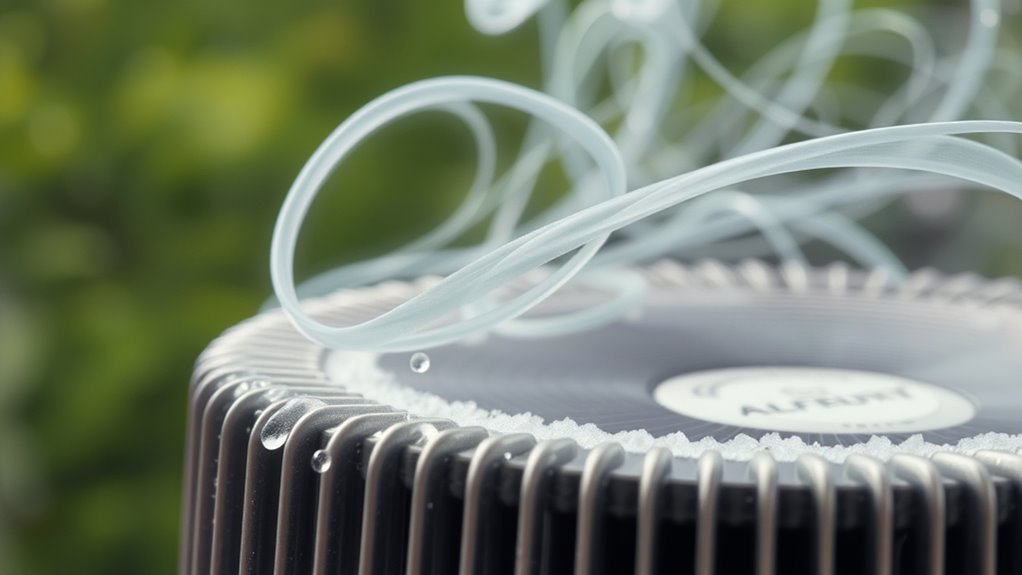

Your air conditioner’s refrigerant can substantially impact the environment. Older refrigerants like CFCs and HCFCs damage the ozone layer, while HFCs, though ozone-safe, have high global warming potential (GWP). Natural refrigerants and low-GWP alternatives are emerging as eco-friendly options, with regulations encouraging their use. Choosing a system with sustainable refrigerants and ensuring proper handling helps protect the environment. To learn more about how refrigerant choices affect the planet, keep exploring these eco-friendly options.
Key Takeaways
- Traditional refrigerants like CFCs and HCFCs damage the ozone layer, prompting a shift to eco-friendly alternatives.
- HFCs are ozone-safe but have high global warming potential, contributing to climate change.
- Natural refrigerants such as hydrocarbons offer low GWP and are environmentally sustainable options.
- Regulatory initiatives like the Kigali Amendment aim to phase out high-GWP refrigerants globally.
- Proper handling, disposal, and choosing units with compliant refrigerants reduce environmental impact.

Have you ever wondered what keeps your air conditioner cool? It all comes down to refrigerants, the special chemicals inside your AC that transfer heat and enable cooling. There are different refrigerant types, each with unique properties and environmental impacts. Historically, refrigerants like chlorofluorocarbons (CFCs) and hydrochlorofluorocarbons (HCFCs) were common because they’re efficient and stable. However, these substances are now known to harm the ozone layer, leading to serious environmental concerns. As a result, strict environmental regulations have been introduced worldwide to phase out such harmful refrigerants and promote safer alternatives.
Today, many modern air conditioning systems use refrigerant types like hydrofluorocarbons (HFCs), which don’t deplete the ozone layer. But while HFCs are less damaging to the ozone, they still have a high global warming potential (GWP). This means that, if leaked, they can contribute considerably to climate change. That’s why environmental regulations now emphasize not just protecting the ozone but also reducing the climate impact of refrigerants. Regulations like the Kigali Amendment aim to gradually eliminate high-GWP refrigerants and encourage the development and adoption of more eco-friendly options.
You, as a consumer, might not think about these regulations daily, but they directly impact the refrigerants used in your AC. Manufacturers are now designing units that utilize refrigerant types with lower GWP, such as hydrofluoroolefins (HFOs) or natural refrigerants like hydrocarbons. These alternatives are gaining popularity because they offer effective cooling while minimizing environmental harm. Additionally, ongoing research into natural refrigerants provides promising options for sustainable cooling solutions. Moving to these refrigerants isn’t just about compliance; it’s about reducing your carbon footprint and helping combat climate change.
Understanding refrigerant types and environmental regulations helps you make informed choices. When replacing or servicing your air conditioner, ask about the refrigerants used and whether they comply with current environmental standards. Proper handling and disposal are vital because refrigerants can leak or escape if not managed properly, releasing greenhouse gases or damaging the ozone layer. By choosing systems that use environmentally friendly refrigerants, you’re supporting efforts to reduce ecological harm and promote sustainable technology.
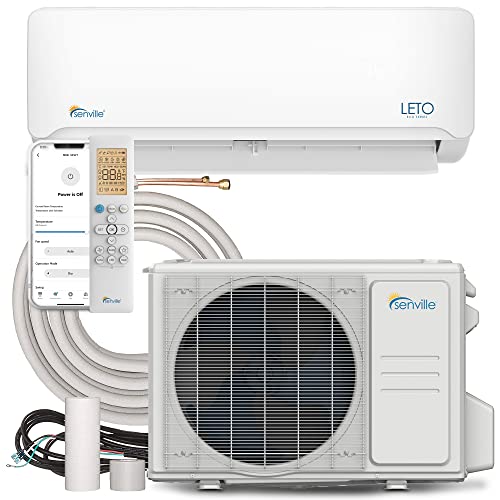
Senville LETO Series Mini Split Air Conditioner Heat Pump, 12000 BTU 110/120V, Inverter, Works with Alexa, SEER2 20.8, 1 Ton, White
Alexa Enabled Mini Split AC/Heating System: Integrate with voice control or app, allowing you to adjust your mini...
As an affiliate, we earn on qualifying purchases.
Frequently Asked Questions
How Do Refrigerants Affect Ozone Layer Depletion?
Refrigerant emissions directly contribute to ozone depletion because many contain chemicals like CFCs and HCFCs, which release chlorine and bromine atoms that break down ozone molecules. When you use an air conditioner with these refrigerants, leaks or improper disposal can lead to ozone layer damage. To minimize this impact, opt for eco-friendly refrigerants and guarantee regular maintenance to prevent emissions.
Are Natural Refrigerants Safer for the Environment?
Yes, natural refrigerants are safer for the environment because they have lower global warming potential and don’t deplete the ozone layer. When you choose natural refrigerants like hydrocarbons or CO2, you’re reducing harmful emissions. However, safety considerations are essential, as some natural refrigerants are flammable or require special handling. Always make certain proper installation and maintenance to maximize safety and environmental benefits.
What Regulations Govern Refrigerant Use Worldwide?
Think of international policies as the traffic lights guiding refrigerant types worldwide. You’ll find regulations like the Montreal Protocol and Kigali Amendment that ban or phase out harmful substances, ensuring safer refrigerants. Countries follow these standards, but some have their own rules. Staying compliant means understanding these global policies, which aim to protect the environment while allowing the use of environmentally friendly refrigerants.
How Can Consumers Identify Eco-Friendly Refrigerants?
You can identify eco-friendly refrigerants by checking refrigerant labeling on your AC unit or system. Look for clear labels indicating the type of refrigerant used, especially those marked with eco-friendly certifications like EPA’s SNAP or other recognized standards. These labels help you choose refrigerants with lower environmental impact, ensuring you’re making a more sustainable choice for your air conditioning needs. Always verify the certifications for added assurance.
What Are Future Alternatives to Traditional Refrigerants?
Think of the future of refrigerants like a revitalizing gust of fresh air. You’ll see hydrocarbon refrigerants and synthetic alternatives take center stage, offering eco-friendly solutions. These options promise lower global warming potential and better safety profiles. As technology advances, expect more efficient, sustainable refrigerants that reduce environmental impact while keeping your comfort intact. Staying informed helps you support greener choices in cooling technology.

DELLA Motto Series Mini Split AC, 208-230V 17.5 SEER2 Cools up to 550 Sq.Ft, 12000 BTU Air Conditioner & Heater with 1 Ton Pre-Charged Heat Pump, Works with Alexa and WiFi
QUIET OPERATION & INSTALLATION: This system mandates professional installation as it's not a DIY mini split AC. This...
As an affiliate, we earn on qualifying purchases.
Conclusion
So, choosing the right refrigerant isn’t just a small decision—it’s like picking the fate of our planet’s future! Your choice can either release a tidal wave of environmental destruction or help save the world from melting into a giant puddle. Every time you hit that AC button, you’re casting a vote for cleaner air and a cooler Earth or for chaos and climate catastrophe. Make the smart, eco-friendly choice—because the future depends on it!
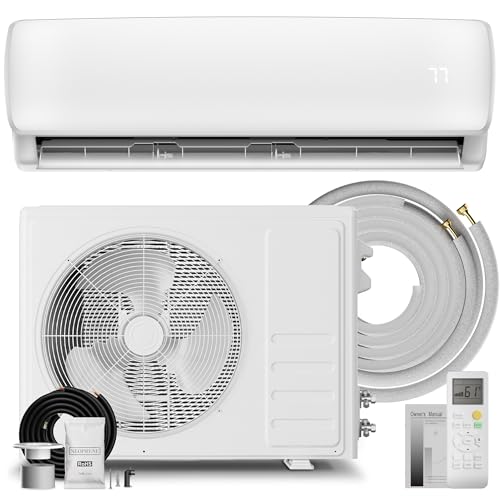
MEPTY 9000BTU Mini Split AC/Heating System, 19 SEER2 Energy Efficient Mini Split Air Conditioner with Heat Pump, Cools Up to 450sq.ft, Ductless Inverter AC Unit with Pre-Charged Condenser
⭐Advanced Energy Saving: Advanced inverter technology with leading 19 SEER2 rating delivers superior performance through ensuring that the...
As an affiliate, we earn on qualifying purchases.
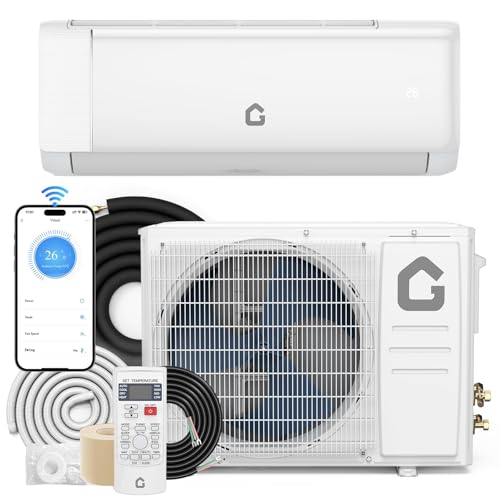
12,000 BTU Mini Split AC & Heat Pump | 115v, Inverter, Smart WiFi, DIY Install, Remote | Ultra-Quiet, Energy Efficient for 750 Sq.Ft Space
Superior Cooling & Heating: Effectively cools and heats spaces up to 750 sq. ft. with 12,000 BTU inverter...
As an affiliate, we earn on qualifying purchases.