TL;DR

Get backup power and energy gear delivered free with Prime
- Fast, free delivery on millions of items
- Prime Video, Amazon Music and more included
- Member-only deals all year
A Canary Media analysis of Electric Power Research Institute data found the annual U.S. rate of grid-battery failures had fallen by more than 97% between 2016 and 2025, while cumulative deployments grew 250-fold. EPRI says the dataset is limited and does not measure the size or severity of individual incidents, so the trend does not mean fires pose no risk.
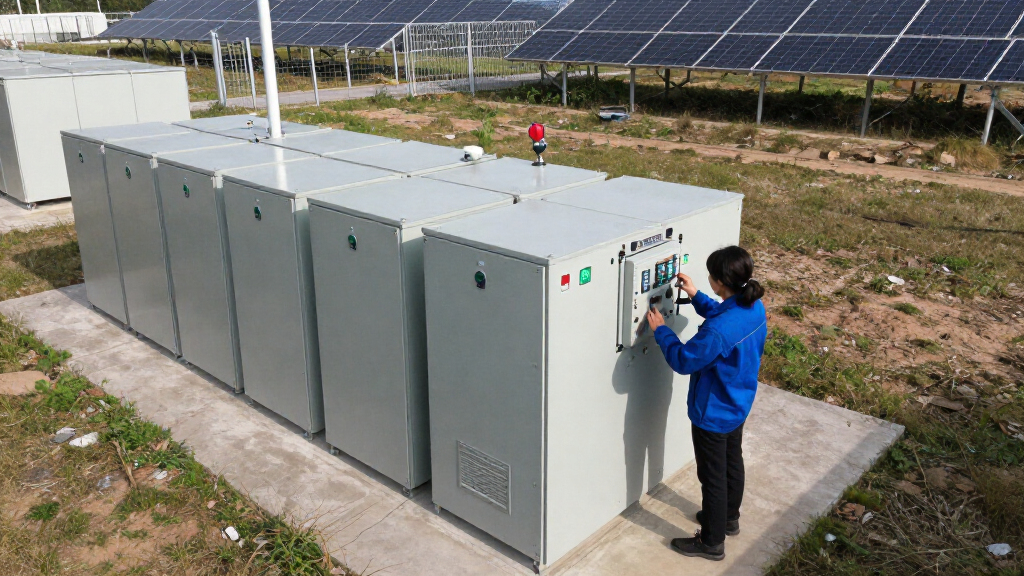
The annual failure rate for U.S. grid-scale batteries fell by more than 97% from 2016 to 2025, even as cumulative installations increased 250-fold, according to an analysis of data from the nonprofit Electric Power Research Institute (EPRI). The figures point to improving performance as battery storage spreads, but do not show that fires have stopped or quantify the severity of every incident.
EPRI’s dataset tracks reported failures involving commercial and grid-scale battery systems around the world, including fires, explosions and arc-flash events. Canary Media compared the U.S. failure data with installation figures from the Solar Energy Industries Association and Benchmark Mineral Intelligence. The resulting comparison shows a steep decline in the annual U.S. failure rate by 2025 alongside rapid growth in cumulative deployments.
The report also records three years with no known failures in the United States over the past decade. Those zero-event years are not evidence that the underlying risk disappeared; they mean no failures were recorded in the data for those years. EPRI’s report says newer safety standards, more sophisticated battery systems and changes to project layouts have accompanied the fall in failures.
The tally has limits: it is small, and a count of incidents does not distinguish a brief event at a small installation from a major fire at a large facility. The dataset therefore supports a comparison of reported failure frequency, not a full measure of potential harm to workers, nearby residents or infrastructure.
Falling Failures Amid Rapid Expansion
The trend matters as batteries become a leading choice for adding on-demand power to the U.S. grid. Storage can help operators balance electricity supply and demand, while new projects may bring local tax revenue and affect reliability and electricity costs. Community concerns about fire safety can shape whether projects are approved, where they are built and how quickly they proceed.
EPRI’s analysis offers communities a way to compare battery failure frequency with familiar grid equipment. The report estimates that grid-battery units now fail at a rate comparable to oil-filled substation transformers, which have been used for decades. That comparison concerns rates in the analysis; it does not establish that the hazards or consequences of battery and transformer failures are identical.
Battery fires have occurred and can be difficult to extinguish using conventional methods. A falling rate is encouraging, but it does not remove the need for careful siting, safety rules, emergency planning or scrutiny of large installations. The data can inform local debate, not settle every project-specific question.
home battery energy storage system with fire safety features
As an affiliate, we earn on qualifying purchases.
As an affiliate, we earn on qualifying purchases.
Incidents Behind Public Concern
High-profile fires have shaped perceptions of battery storage. In 2019, a fire at a battery facility outside Phoenix sent four emergency responders to hospital with serious injuries, which the report identifies as the only significant bodily harm caused by a U.S. grid-battery fire to that point.
In January 2025, a fire at California’s Moss Landing facility largely destroyed the power plant and led to an evacuation of the surrounding community lasting several days. No one was injured, according to the source report. The incident has become a reference point in discussions about proposed battery projects, despite the broader decline shown in the failure-rate data.
The EPRI analysis covers a period in which battery deployment and safety practices changed substantially. Its comparison is about recorded incidents relative to installations, rather than a claim that all battery designs, sites or operating conditions carry the same risk.
“There just aren’t a lot of failures, which is a good thing, but that means you don’t have a very robust dataset to analyze.”
— Lakshmi Srinivasan, lead author of the EPRI report
lithium ion battery fire blanket for emergency response
As an affiliate, we earn on qualifying purchases.
As an affiliate, we earn on qualifying purchases.
Limits of the Failure Data
The dataset contains relatively few failures, EPRI’s lead author said, limiting how much can be inferred from year-to-year changes. The source material does not provide the underlying incident counts, detailed definitions of each failure category, or a full breakdown by battery chemistry, project size and location.
Because the raw tally does not capture incident severity, it cannot by itself show how the consequences of failures have changed over time. Nor does a lower rate establish that a particular proposed project is safe under its own design, operating conditions and emergency response arrangements. The analysis also notes that safety rules and energy-development requirements vary between countries, making international comparisons difficult.
It remains unclear from the available material how much of the decline reflects improved equipment and standards, differences in reporting, or other factors. The data supports the reported trend, but does not resolve those questions.
lithium ion battery fire detection and alarm system
As an affiliate, we earn on qualifying purchases.
As an affiliate, we earn on qualifying purchases.
How Communities Use the Findings
The immediate next step is likely to be how local officials, utilities and residents use the figures when reviewing battery proposals and safety plans. EPRI’s analysis can provide a broader benchmark for discussion, while project-level assessments still need to address site design, emergency access and the potential consequences of an incident.
Further reporting and more complete incident records could help clarify which technologies and practices are associated with lower failure rates, and how often events cause injuries, evacuations or major damage. The source report does not identify a specific forthcoming policy change or a scheduled update to the dataset, so the timing of additional evidence is uncertain.
battery energy storage system safety monitoring equipment
As an affiliate, we earn on qualifying purchases.
As an affiliate, we earn on qualifying purchases.
Key Questions
How much did the U.S. grid-battery failure rate fall?
The annual rate fell by more than 97% between 2016 and 2025, according to the EPRI data analysis reported by Canary Media. Over the same period, cumulative deployments rose 250-fold.
Does the decline mean battery fires no longer happen?
No. The figures show a lower recorded failure rate, not the end of battery fires. The source report says fires have occurred and can be difficult to put out using conventional methods.
What incidents have raised concern in the United States?
A 2019 fire outside Phoenix sent four emergency responders to hospital with serious injuries. A January 2025 fire at Moss Landing largely destroyed the facility and prompted a multi-day community evacuation, though the source report says nobody was injured.
How reliable is the dataset?
EPRI’s lead author cautioned that the number of failures is small, making the dataset less robust for analysis. The tally also does not capture the size or severity of each event, so it cannot alone describe the full risk.
What is the comparison with transformers?
EPRI calculated that grid-battery units now fail at a rate comparable to oil-filled substation transformers. This is a comparison of failure rates; it does not mean the equipment has identical hazards or consequences when something goes wrong.
Source: rss
Halloween Picks
halloween
As an affiliate, we earn on qualifying purchases.