Did you know that heat pumps are considered one of the most efficient ways to heat and cool your home?

Get backup power and energy gear delivered free with Prime
- Fast, free delivery on millions of items
- Prime Video, Amazon Music and more included
- Member-only deals all year
In our article, we will guide you through the top 5 steps to install a heat pump. We’ll help you assess your home’s heating and cooling needs, select the right heat pump, prepare the installation site, install and connect the unit, and test and commission the system.
Get ready to bring innovation and comfort to your home!
Key Takeaways
- Consider the size of your home, insulation levels, and climate when evaluating heating and cooling needs.
- Carefully select the right heat pump based on space requirements, budget, energy efficiency, and maintenance requirements.
- Prepare the installation site by clearing and leveling it, removing debris and obstacles, and gathering necessary tools.
- Install and connect the heat pump unit correctly, following manufacturer’s instructions and testing electrical connections for proper functioning.
Products Worth Considering
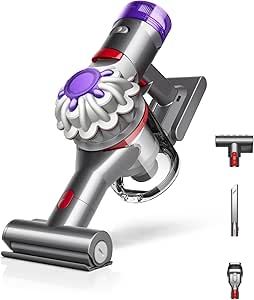
Dyson Car+Boat Cordless Handheld Vacuum

Sonos Era 100 SL Compact Microphone-Free Speaker, Black

Philips Hue Large Smart Light Tube, Black – White and Color Ambiance LED Color-Changing Light – 1 Pack
As an affiliate, we earn on qualifying purchases.
Assessing Your Home’s Heating and Cooling Needs
Before starting the installation process, we need to assess our home’s heating and cooling needs.

Evaluating efficiency and considering budget are two key factors in determining the right heat pump for our home.
To evaluate efficiency, we must consider the size of our home, insulation levels, and the climate in which we live. A heat load calculation can help us determine the proper size of heat pump required to efficiently heat and cool our space.
It’s also important to consider our budget when selecting a heat pump. While we may want the most advanced and innovative options, it’s crucial to find a balance between performance and cost.
Selecting the Right Heat Pump for Your Space
To ensure optimal performance and efficiency, we need to carefully consider both our space requirements and our budget when selecting the right heat pump. Energy efficiency and maintenance requirements are two important factors to keep in mind during this process. To help you make an informed decision, here is a table comparing different heat pump models based on their energy efficiency ratings and maintenance requirements:

| Heat Pump Model | Energy Efficiency Rating | Maintenance Requirements |
|---|---|---|
| Model A | High | Low |
| Model B | Medium | Medium |
| Model C | Low | High |
| Model D | High | Medium |
| Model E | Medium | Low |
Preparing the Installation Site and Gathering Necessary Tools
Let’s start by clearing and leveling the installation site and gathering all the necessary tools.
Site preparation is crucial to ensure a smooth and efficient installation process. Begin by removing any debris, vegetation, or obstacles that may obstruct the heat pump’s placement. Level the ground to provide a stable foundation for the unit. It’s important to check the manufacturer’s guidelines for specific requirements related to site preparation.
Once the site is ready, gather the necessary tools. These may include a shovel, a level, measuring tape, a wrench, pliers, wire cutters, and a power drill. Additionally, you may need electrical testing equipment, such as a voltage tester or a multimeter, to ensure a safe connection.
Having these tools readily available will streamline the installation process and help achieve optimal results.

Installing and Connecting the Heat Pump Unit
We carefully position and secure the heat pump unit in its designated location. It’s crucial to ensure that the unit is placed correctly to maximize its efficiency and performance.
Here are the steps to install and connect the heat pump unit:
-
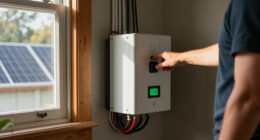
Identify the electrical connections: Before connecting the unit, locate the electrical panel and identify the appropriate circuit for the heat pump. Ensure that the circuit can handle the electrical load of the unit.
-
Connect the electrical wiring: Follow the manufacturer’s instructions to connect the electrical wiring. Make sure to use the correct gauge wire and secure the connections properly. This step is crucial for the safe and efficient operation of the heat pump.

-
Secure the unit properly: Use mounting brackets or stands to secure the heat pump unit in place. Ensure that it’s level and stable to prevent any vibrations or movement during operation.
-
Test the connections: Once the unit is securely installed, test the electrical connections to ensure they’re properly functioning. Check for any loose connections or faulty wiring that may need to be addressed before proceeding.
Testing and Commissioning the Heat Pump System
After securing the heat pump unit and completing the electrical connections, we proceed to test and commission the system.
Proper testing procedures are essential to ensure the heat pump system is functioning optimally and efficiently. The first step in testing is to verify the refrigerant charge using gauges and thermometers. We check for any leaks and ensure that the pressure and temperature readings are within the manufacturer’s specifications.

Next, we perform a thorough inspection of the electrical connections and controls to ensure they’re properly wired and functioning correctly. We also test the heat pump’s performance in heating and cooling modes to ensure it’s providing the desired temperature output.
Troubleshooting techniques are employed if any issues or anomalies are detected during testing, ensuring that the system is operating at peak performance before commissioning it for regular use.
Frequently Asked Questions
What Are the Benefits of Installing a Heat Pump?
Installing a heat pump offers numerous benefits. It enhances energy efficiency by transferring heat rather than generating it. This reduces environmental impact, making it a sustainable option. Its innovative technology ensures precise temperature control and optimal performance.
How Much Does a Heat Pump Installation Typically Cost?
The cost of a heat pump installation can vary depending on several factors, such as the size of the unit, the condition of existing ductwork, and any necessary electrical upgrades.

Are There Any Specific Maintenance Requirements for a Heat Pump?
When it comes to heat pump requirements, there are specific maintenance tasks that need to be performed regularly. These tasks ensure optimal performance and efficiency, prolonging the lifespan of the heat pump system.
Can a Heat Pump Be Installed in Any Type of Home, Including Older Buildings?
Yes, a heat pump can be installed in any type of home, including older buildings. The energy efficiency of heat pumps makes them a great choice for historical buildings, helping to reduce energy consumption and lower utility costs.
Is It Possible to Use a Heat Pump for Both Heating and Cooling Purposes?
Yes, it is possible to use a heat pump for both heating and cooling purposes. Heat pump technology allows for efficient operation, providing heating in winter and cooling in summer, making it a versatile and innovative solution for homes.
Conclusion
After following the top 5 steps to install a heat pump, we can confidently say that the heat pump system is now ready to provide efficient heating and cooling for your home.

With careful assessment, selection, preparation, installation, and testing, we’ve ensured that the heat pump will function optimally.
Now, you can sit back and enjoy the comfort of your home, knowing that the heat pump is working like a well-oiled machine, keeping you cozy and cool all year round.