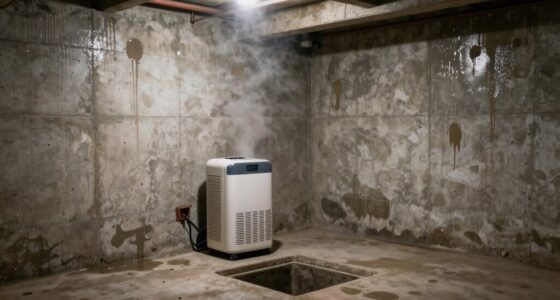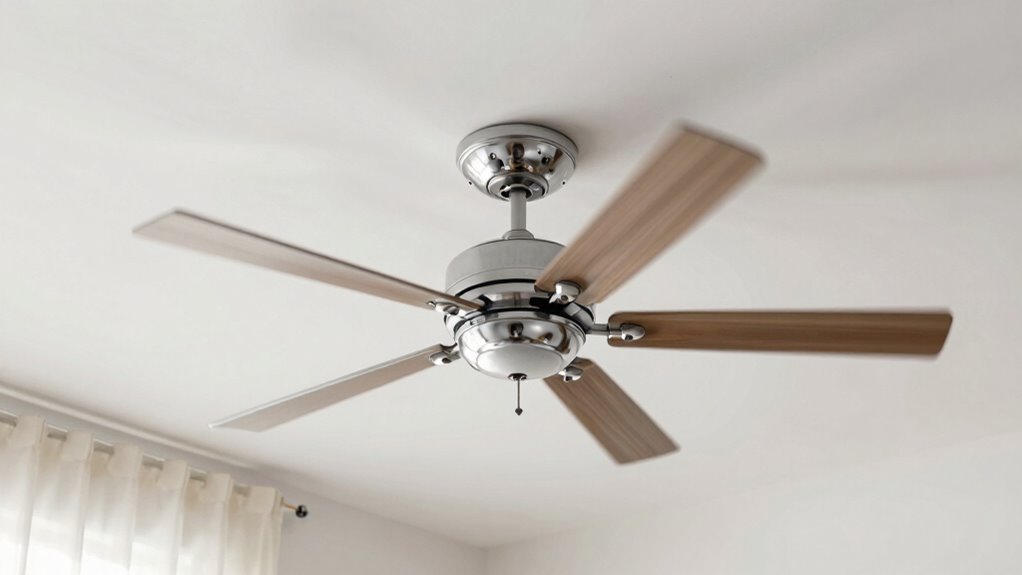
Your comfort complaints often start with air movement because uneven or stagnant airflow makes your space feel stale, drafty, or too dry, even if temperature and humidity levels are okay. Poor airflow can cause localized cold spots or stuffiness, which disrupts your overall comfort. Small airflow issues are easy to overlook but have a big impact on how fresh and balanced your indoor environment feels. Keep exploring to discover how to improve your airflow and boost your comfort.

Get backup power and energy gear delivered free with Prime
- Fast, free delivery on millions of items
- Prime Video, Amazon Music and more included
- Member-only deals all year
Key Takeaways
- Poor airflow can create drafts, stagnation, or uneven temperature distribution, leading to discomfort despite ideal climate conditions.
- Blocked vents or obstructions disrupt circulation, causing localized stuffiness or drafts that prompt comfort complaints.
- Improper placement of vents, fans, or air purifiers can result in uneven airflow, impacting perceived comfort.
- Leaks around windows or doors allow drafts, disturbing airflow balance and causing discomfort.
- Small adjustments in airflow patterns can significantly improve indoor comfort by eliminating stagnant air and drafts.
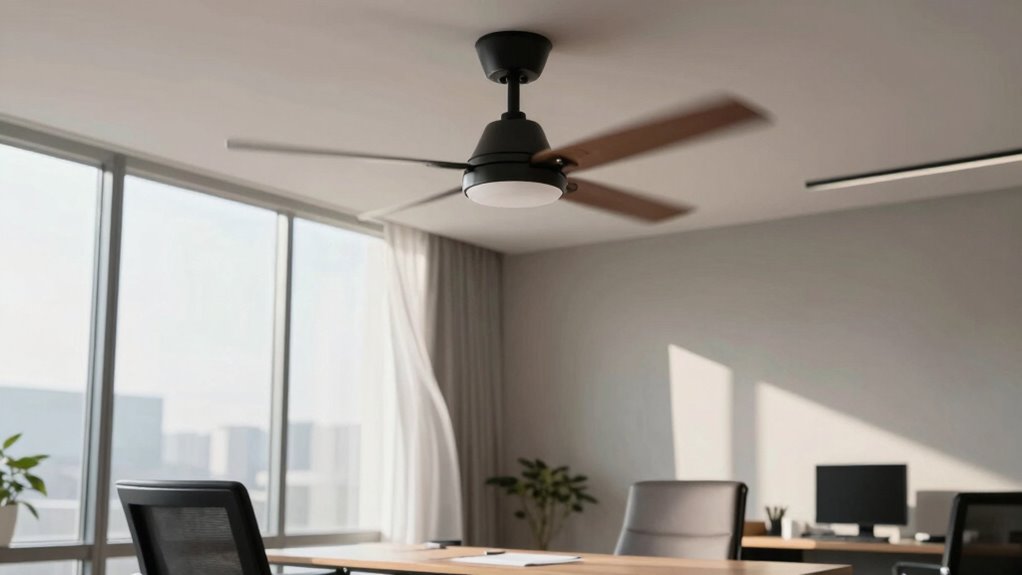
Air movement plays a essential role in how comfortable you feel indoors, yet it’s often overlooked when addressing comfort complaints. When your space isn’t feeling right, many people focus on temperature or humidity first, but airflow patterns are equally important. Poor airflow can create pockets of stale or overly dry air, leading to discomfort even if the temperature is ideal. Understanding how airflow moves through your space can reveal why certain areas feel stuffy, cold, or drafty, giving you a clearer path to solutions. It’s not just about having a fan or an air conditioner on; it’s about how effectively air circulates, which directly influences ventilation efficiency and overall comfort.
Effective air circulation is key to indoor comfort, preventing stale air and uneven temperature or drafts.
If the airflow patterns in your home or office are uneven, you’ll notice discomfort in specific zones, even if the overall climate seems fine. For example, a room with blocked vents or furniture that obstructs air movement can cause stagnant air, making you feel stuffy or claustrophobic. Conversely, drafts from poorly sealed windows or uneven air distribution from your HVAC system can create cold spots or gusts that make you uncomfortable. These issues highlight how essential it is to analyze and optimize airflow patterns to guarantee even, gentle circulation throughout your space. Additionally, airflow management is crucial for maintaining a balanced indoor environment and preventing discomfort caused by uneven air distribution. Small adjustments to air circulation can significantly improve the overall comfort, especially when addressing zones with persistent issues. Properly managing ventilation efficiency involves understanding how airflow interacts with your space’s layout and infrastructure. Enhancing your understanding of airflow dynamics can help pinpoint problem areas more precisely and lead to more effective solutions.
Furthermore, paying attention to airflow patterns can help you identify hidden sources of discomfort, such as poorly positioned vents or obstructions that disrupt natural circulation. Proper placement of vents, fans, or air purifiers can help establish smoother airflow patterns. Sealing leaks around windows and doors prevents drafts that disrupt ventilation efficiency. When airflow is well-balanced, your indoor environment feels more natural, comfortable, and healthier. It’s a delicate balance—too much airflow can cause drafts, while too little results in stuffiness. Striking the right balance ensures that every part of your space feels just right, which is often the key to resolving comfort complaints rooted in air movement.
As an affiliate, we earn on qualifying purchases.
Frequently Asked Questions
How Does Air Movement Affect Indoor Air Quality?
Air movement impacts indoor air quality by influencing air circulation and airflow patterns. When airflow is uneven or stagnant, pollutants can accumulate, causing discomfort or health issues. You notice better air quality when you improve circulation, allowing fresh air to replace stale air efficiently. Proper airflow patterns ensure pollutants disperse, humidity levels stay balanced, and your indoor environment feels fresher and healthier. Good air movement is essential for maintaining ideal indoor air quality.
Can Air Movement Influence Temperature Perception?
Yes, air movement can influence your temperature perception and comfort. When you feel a breeze or increased air circulation, it enhances your body’s natural cooling process, making you feel cooler even if the actual temperature hasn’t changed. This temperature adjustment can improve your personal comfort, especially in warmer environments. Proper air movement helps you feel more comfortable by balancing your body’s thermal regulation, ultimately reducing discomfort caused by stagnant or uneven indoor temperatures.
What Types of Air Movement Are Most Comfortable?
Imagine a gentle breeze caressing your skin, creating a calming ripple across your personal comfort zone. You prefer smooth, consistent airflow patterns that don’t cause sudden drafts or chills. Quiet, steady airflow from ceiling fans or well-placed vents feels most comfortable, avoiding disruptive gusts. By controlling airflow, you enhance your environment’s comfort, making sure air movement works with your body’s needs rather than against them.
How Does Humidity Interact With Air Movement?
Humidity levels greatly influence how air movement feels. When humidity is high, even gentle air circulation can make you feel sticky and uncomfortable because moisture hampers evaporation of sweat. Conversely, in low humidity, air movement helps cool you down effectively by speeding up evaporation. So, balancing humidity levels with proper air circulation is key to maintaining comfort, preventing complaints about feeling either too damp or too dry.
Are There Health Risks Associated With Excessive Air Movement?
Excessive air movement can pose health concerns by spreading airborne pathogens and causing dryness or irritation in your skin, eyes, and respiratory system. If the airflow is too strong or directed at your face, it may lead to discomfort or exacerbate allergies and asthma symptoms. To reduce these risks, guarantee proper ventilation without creating drafts, and maintain a comfortable balance of air circulation in your environment.
As an affiliate, we earn on qualifying purchases.
Conclusion
So, next time you feel uncomfortable, remember that air movement often plays the villain in your comfort story. It’s like a gust of wind sneaking through a cracked window—unexpected and disruptive. Addressing air movement issues can turn your space from a turbulent sea into a calm lake. By paying attention to airflow, you can create a soothing environment that feels just right, making comfort complaints fade away like a distant thunderstorm.
air purifiers with adjustable airflow
As an affiliate, we earn on qualifying purchases.
As an affiliate, we earn on qualifying purchases.
As an affiliate, we earn on qualifying purchases.
Halloween Picks
halloween
As an affiliate, we earn on qualifying purchases.