In high-humidity regions, you face challenges like excess moisture making your indoor space damp, sticky, and uncomfortable. Managing humidity involves using effective dehumidifiers, maintaining proper ventilation, sealing leaks, and controlling moisture sources like indoor drying and plants. You also need to monitor humidity levels closely to adjust your strategies. Addressing these issues helps prevent mold, mildew, and structural problems. Keep exploring for tips to better control humidity and improve your indoor environment.
Key Takeaways
- High humidity causes indoor discomfort, promotes mold growth, and complicates maintaining optimal indoor air quality.
- Effective dehumidification requires properly sized units and regular maintenance to control moisture levels.
- Ventilation improvements, such as exhaust fans and window opening during less humid times, help reduce indoor humidity.
- Addressing water leaks, drainage issues, and sealing entry points minimizes external moisture infiltration.
- Monitoring indoor humidity with smart sensors allows for precise adjustments to maintain comfortable and healthy environments.
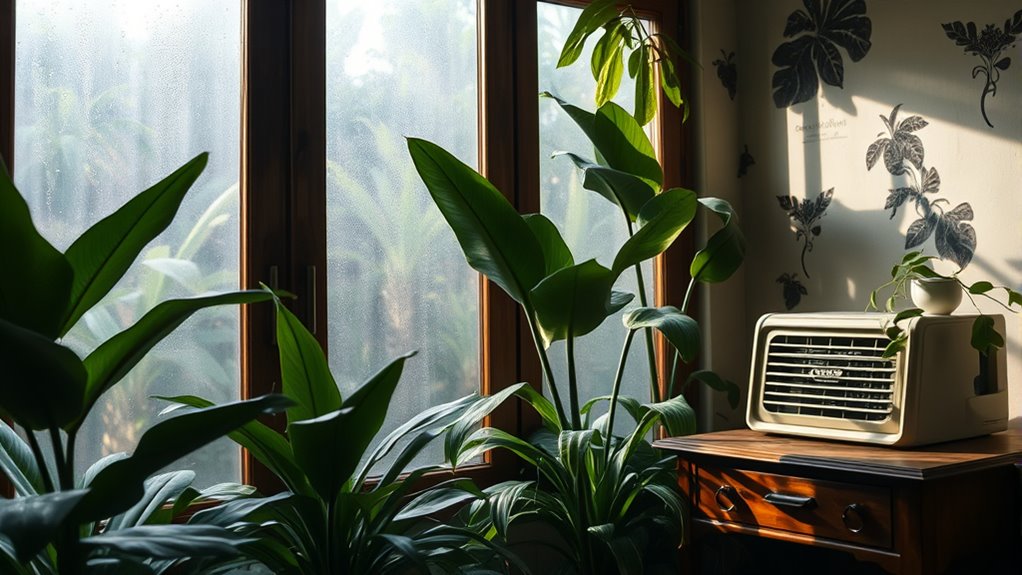
Living in high-humidity regions presents unique challenges for climate control, as excess moisture makes maintaining comfortable indoor environments more difficult. When humidity levels soar, it’s easy for your home to feel damp, sticky, and uncomfortable. That’s why implementing effective dehumidification strategies becomes essential. These strategies help you control the moisture in your indoor air, making your living space more comfortable and reducing the risk of mold, mildew, and other moisture-related problems.
High humidity challenges require effective strategies to keep indoor air comfortable and mold-free.
One of the most straightforward dehumidification strategies involves using a high-quality dehumidifier. These appliances work by drawing in moist air, extracting the excess humidity, and then releasing drier air back into your home. Choosing the right size and capacity is crucial; a unit too small won’t effectively reduce humidity, while an oversized one may cycle on and off too frequently, wasting energy. Keep your dehumidifier well-maintained, regularly cleaning filters and checking for proper operation to maximize its efficiency.
In addition to using a dehumidifier, employing moisture management techniques helps maintain ideal indoor humidity levels. Ventilation plays an important role—by opening windows during less humid times or installing exhaust fans in kitchens and bathrooms, you can reduce indoor moisture buildup. Proper insulation also helps prevent condensation on walls and windows, which can become breeding grounds for mold. Ensure that your home’s insulation is adequate and that windows and doors are sealed properly to minimize unwanted moisture infiltration.
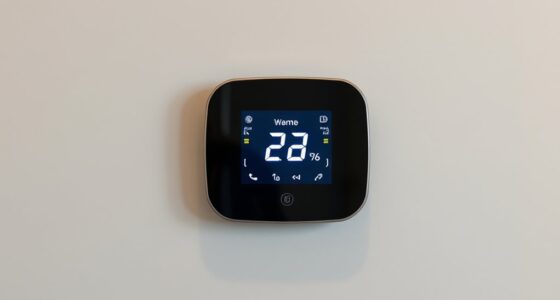
Controlling indoor humidity isn’t just about equipment; habits matter too. Using exhaust fans while cooking or showering, avoiding drying clothes indoors, and keeping indoor plants to a minimum can all help reduce excess moisture. If you live in a particularly humid climate, you might consider installing a smart humidity monitor. These devices give you real-time data, allowing you to adjust your dehumidification efforts accordingly and keep humidity within a comfortable range—generally between 30% and 50%.
Finally, addressing moisture issues at their source is essential. Fixing leaks promptly, ensuring proper drainage around your home, and maintaining gutters and downspouts prevent unwanted water intrusion that can elevate indoor humidity. Understanding the importance of contrast ratio] and how it affects your projector’s image quality can help you create a more comfortable, healthier, and more energy-efficient environment, even in the most humid environments. By combining dehumidification strategies with moisture management techniques, you can effectively combat the challenges posed by high humidity.
Frequently Asked Questions
How Does High Humidity Affect HVAC System Lifespan?
High humidity can shorten your HVAC system’s lifespan because it causes extra strain on components like humidity sensors and air filtration units. When humidity levels are high, your system works harder to maintain comfort, increasing wear and tear. Regular maintenance and using effective air filtration can help protect your system from moisture damage, ensuring it runs efficiently and lasts longer. Properly managing humidity is key to prolonging your HVAC’s life.
What Are the Cost Differences Between Dehumidification Methods?
Dehumidification methods can cost you a fortune or save you thousands, depending on your choice. Desiccant systems, with their high dehumidifier efficiency, often come with steep initial costs due to expensive desiccants, but they excel in extreme conditions. Refrigeration-based dehumidifiers are cheaper upfront but may have higher long-term energy costs. Choose wisely to avoid draining your wallet—your budget depends on balancing these costs carefully.
Can Natural Ventilation Effectively Control Humidity Levels?
Natural ventilation can help control humidity levels through passive cooling, but it’s often limited in high-humidity regions. It promotes moisture migration out of indoor spaces, yet its effectiveness depends on external conditions like wind and temperature. You might find it insufficient during peak humidity, requiring supplemental dehumidification methods. Relying solely on natural ventilation may not maintain consistent indoor comfort, especially in areas with persistent high humidity.
What Are the Health Risks Associated With High Indoor Humidity?
You might think high indoor humidity is harmless, but ironically, it can seriously threaten your respiratory health. Excess moisture fosters indoor mold growth, which you breathe in unknowingly. This mold can cause allergies, asthma, and other respiratory issues, making your indoor environment a hidden health hazard. So, while humidity might seem harmless, it quietly jeopardizes your well-being, turning your home into an unexpected health risk zone.
How Do Humidity Levels Impact Sensitive Equipment or Materials?
You should know that high humidity levels can damage sensitive equipment or materials by promoting material corrosion and mold growth. Humidity sensors help you monitor moisture levels, so you can take action before damage occurs. When humidity stays elevated, it accelerates corrosion of metal parts and weakens materials, leading to costly repairs and replacements. Managing humidity effectively protects your equipment and preserves material integrity over time.
Conclusion
In high-humidity regions, controlling your climate feels like battling an unstoppable beast. But with the right strategies—like dehumidifiers, proper ventilation, and insulation—you can tame this relentless force. Don’t let the moisture turn your space into a swamp; instead, take charge and create a comfortable haven. Remember, mastering humidity isn’t just a task—it’s your superpower against the weather’s fiercest challenge. Stay persistent, and you’ll transform your environment into an oasis of comfort!