To manage climate control effectively in a multi‑story building, you should implement zoning strategies with multiple thermostats, dampers, and automated controls. These systems allow you to regulate temperature and airflow independently across different floors, improving comfort and reducing energy waste. By monitoring conditions in real time and adjusting settings automatically, you can balance occupant comfort with energy efficiency. Keep exploring further to discover additional tips for optimizing your building’s climate management.
Key Takeaways
- Implement zoning strategies with thermostats, dampers, and sensors for independent climate control across floors.
- Use automated, real-time systems to adjust airflow and temperature based on occupancy and external conditions.
- Regularly assess and fine-tune zoning setups to balance energy efficiency and occupant comfort.
- Deploy smart sensors for continuous monitoring of indoor conditions to optimize system responsiveness.
- Ensure proper ventilation alongside climate control to maintain indoor air quality and temperature consistency.

Managing climate control in multi-story buildings can be challenging because temperature and airflow vary markedly between floors. These differences often stem from zoning challenges, which occur when heating and cooling systems aren’t effectively segmented to address each area’s unique needs. Without proper zoning, some floors may become overheated while others stay too cold, leading to discomfort for occupants and wasted energy. You need to contemplate how to design and implement zoning strategies that allow independent control of temperature zones within the building. This approach helps you target specific areas with tailored climate adjustments, improving overall comfort and reducing unnecessary energy consumption.
Effective zoning strategies improve comfort and energy efficiency in multi-story buildings by tailoring climate control to each area’s needs.
When tackling zoning challenges, your goal should be to create a system that responds dynamically to changes in occupancy, external weather, and internal heat gains. This might involve installing multiple thermostats, dampers, and automated controls that work together to regulate airflow and temperature precisely where it’s needed. Proper zoning not only enhances comfort but also markedly boosts energy efficiency. By preventing over-conditioning of unoccupied or lightly used spaces, you can cut down on energy waste and lower utility bills. For example, during peak demand times, you can prioritize cooling or heating in occupied zones while reducing energy use in less-used areas, leading to substantial savings.
Balancing energy efficiency with occupant comfort requires constant fine-tuning of your climate control systems. You should regularly assess how your zoning strategies are performing and make adjustments as needed. Incorporating smart sensors and automated controls can help you monitor real-time conditions, making it easier to respond to fluctuations instantly. Think about integrating energy management systems that analyze data and optimize settings automatically, ensuring your building maintains a comfortable environment without excessive energy expenditure. This proactive approach enables you to identify inefficiencies quickly and implement solutions that improve both comfort and sustainability.
Ultimately, managing climate control in multi-story buildings demands a strategic approach to zoning and energy use. You need to understand the unique challenges posed by building layout and occupant behavior, then deploy targeted solutions to address them. By focusing on effective zoning and leveraging modern technology, you can achieve a balance that maximizes comfort while minimizing energy waste. This not only benefits your building’s operational costs but also contributes to a greener, more sustainable environment. Staying vigilant and adaptable guarantees your climate control system remains efficient and responsive, keeping everyone comfortable across all floors. Additionally, proper ventilation plays a critical role in maintaining indoor air quality and temperature consistency throughout the building.
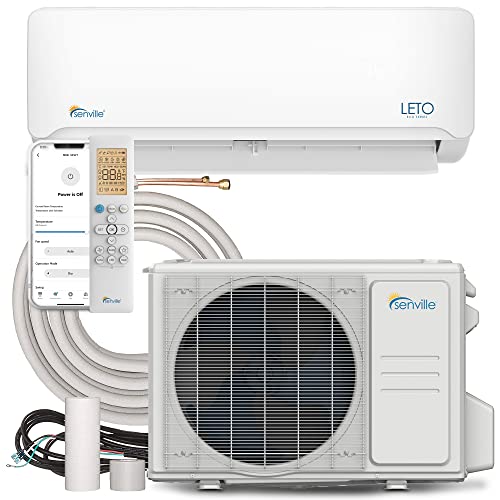
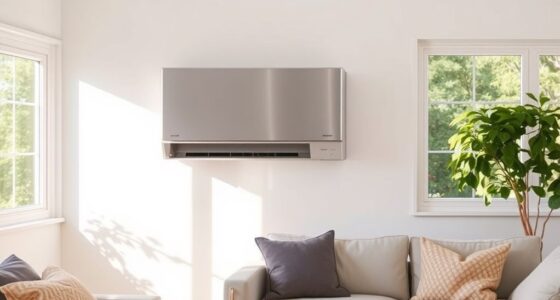
Senville LETO Series Mini Split Air Conditioner Heat Pump, 12000 BTU 110/120V, Inverter, Works with Alexa, SEER2 20.8, 1 Ton, White
Alexa Enabled Mini Split AC/Heating System: Integrate with voice control or app, allowing you to adjust your mini...
As an affiliate, we earn on qualifying purchases.
Frequently Asked Questions
How Does Building Height Affect Climate Control Efficiency?
Your building height impacts climate control efficiency because taller structures influence airflow, making temperature regulation more challenging. As height increases, insulation challenges become more significant, requiring advanced systems to prevent heat loss or gain. You need to contemplate these factors when designing HVAC solutions, ensuring proper airflow management and insulation strategies to maintain consistent indoor climate control across all floors. Taller buildings demand more sophisticated approaches for ideal climate regulation.
What Are the Best Ways to Reduce Energy Consumption?
Imagine your building as a layered cake—each layer needs specific care. To cut energy use, you should implement zoning strategies, so only occupied areas are conditioned. Insulation techniques also trap heat or cool air inside, reducing the workload on HVAC systems. For example, sealing gaps and adding insulation can cut energy costs by up to 20%. These steps make your building more efficient and eco-friendly.
How to Address Uneven Temperature Distribution?
To address uneven temperature distribution, you should implement zonal zoning, which divides the building into specific climate zones for targeted control. Additionally, consider managing thermal stratification by using fans or vents to circulate warm air from the ceiling downward. This approach helps balance temperatures across different floors and areas, improving comfort and energy efficiency. Regularly monitor and adjust your system to guarantee consistent climate control throughout your building.
What Maintenance Practices Optimize HVAC Lifespan?
Did you know that proper maintenance can extend your HVAC system’s lifespan by up to 50%? To optimize this, regularly replace HVAC filtration to prevent dust buildup and guarantee efficient airflow. Schedule duct inspections annually to detect leaks or blockages early. Keeping filters clean and ducts sealed reduces strain on your system, saving energy and money while preventing costly repairs, ultimately prolonging your HVAC’s operational life.
How Can Smart Technology Improve Climate Management?
Smart technology, like smart sensors and adaptive algorithms, can substantially improve climate management in your building. Smart sensors detect temperature, humidity, and occupancy changes in real-time, allowing your HVAC system to respond instantly. Adaptive algorithms analyze this data, optimizing settings for energy efficiency and comfort. This automation reduces manual adjustments, saves costs, and maintains a consistent indoor climate, making your building smarter, more comfortable, and energy-efficient.

23000 BTU Mini Split AC & Heat Pump, 230v Energy Efficient Wall-Mounted Ductless Air Conditioner with WiFi Control, r32 Eco-Friendly Refrigerant, Cools/Heats Up to 1500 Sq.Ft, Quiet Operation
Powerful Cooling & Heating - This 23000 BTU mini split system delivers reliable cooling (63-90℉) and heating (32-80℉)...
As an affiliate, we earn on qualifying purchases.
Conclusion
By mastering climate control in your multi-story building, you’re the conductor of a harmonious symphony where comfort and efficiency dance together. Think of your system as the heartbeat that keeps every room alive and thriving. When you fine-tune these controls, you’re not just adjusting temperatures—you’re sculpting an environment that welcomes everyone like a warm embrace. Take charge, and watch your building breathe easy, turning every space into a haven of perfect climate comfort.
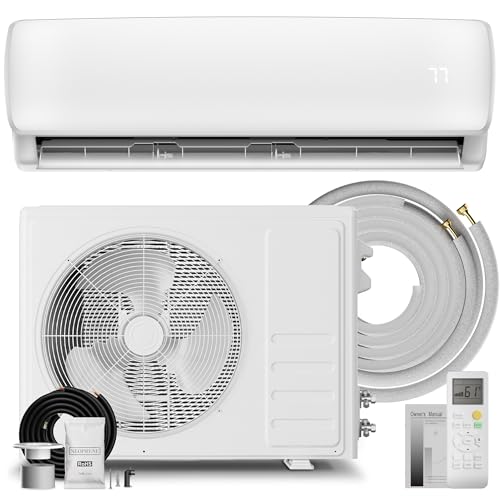
MEPTY 9000BTU Mini Split AC/Heating System, 19 SEER2 Energy Efficient Mini Split Air Conditioner with Heat Pump, 110V Cools Up to 450sq.ft, Ductless Inverter AC Unit with Pre-Charged Condenser
⭐Advanced Energy Saving: Advanced inverter technology with leading 19 SEER2 rating delivers superior performance through ensuring that the...
As an affiliate, we earn on qualifying purchases.

APUS 190,000 BTU Outdoor Tankless Water Heater, 8.1 GPM Propane Instant Hot Water Heater with WiFi & Remote Control, High Efficiency for Supports 5 Outlets
Whole-Home Hot Water: This high-efficiency propane tankless water heater delivers 190,000 BTU and 8.1 gallons per minute of...
As an affiliate, we earn on qualifying purchases.