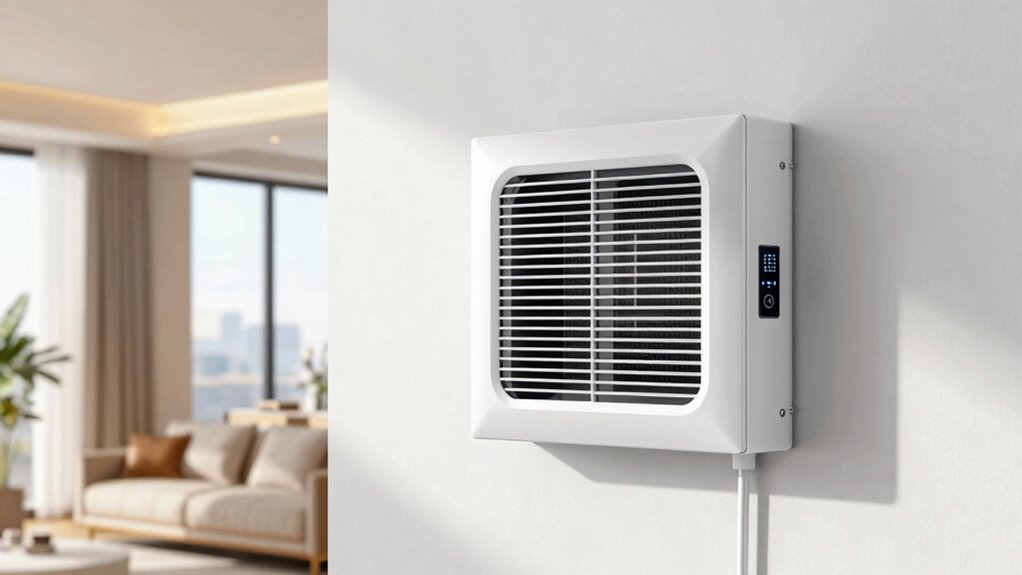
Choosing between an ERV or HRV depends mainly on your climate and indoor humidity needs. If you live in a cold climate, an HRV helps conserve heat but doesn’t control moisture. If you experience high humidity or dry air, an ERV manages humidity and saves energy. Both reduce energy costs and improve air quality, but understanding your climate helps pick the best system. Keep exploring to discover how to make the right choice for your home.
Key Takeaways
- HRVs are best for colder climates to conserve heat, while ERVs are suited for humid or dry environments to control moisture.
- ERVs transfer moisture along with heat, helping maintain balanced indoor humidity; HRVs only transfer heat.
- Choose HRV in regions with harsh winters to save energy; select ERV where humidity control is a priority.
- Proper installation ensures optimal performance and prevents issues like mold or poor air exchange.
- Both systems improve indoor air quality and energy efficiency but are tailored to specific climate and moisture needs.

Are you confused about whether to choose an ERV or HRV for your home’s ventilation? It’s a common question, and the answer depends on your climate and priorities. Both systems are designed to improve indoor air quality and energy efficiency, but they do so in slightly different ways. Understanding these differences helps you make a smarter choice that aligns with your comfort and budget.
An HRV, or heat recovery ventilator, mainly focuses on exchanging stale indoor air with fresh outdoor air while conserving heat. It captures heat from the outgoing air and uses it to warm the incoming air, reducing energy loss. If you live in a colder climate, an HRV can help keep your home warm and cut down on heating costs. It’s especially effective if your primary goal is to improve indoor air quality without sacrificing energy efficiency. However, because it doesn’t transfer moisture, it might not be ideal if humidity control is a concern. Additionally, proper installation and maintenance are crucial to ensure optimal performance and avoid issues like mold or poor air exchange. Properly functioning ventilation systems are essential for maintaining a healthy indoor environment.
HRVs focus on heat recovery, ideal for colder climates, but don’t transfer moisture—best for heat efficiency, less for humidity control.
On the other hand, an ERV, or energy recovery ventilator, also exchanges indoor and outdoor air but includes an additional feature: moisture transfer. This means it can help balance humidity levels inside your home, making it more comfortable year-round. If you’re in a climate with high humidity or very dry conditions, an ERV can stabilize indoor moisture, preventing mold growth or overly dry air. This control over humidity enhances indoor air quality, making your home healthier and more comfortable. Plus, ERVs are designed to improve energy efficiency by recovering heat and moisture, which can lead to lower energy bills. Incorporating moisture transfer in ventilation systems is especially beneficial for maintaining a healthy indoor environment. Additionally, choosing the right system can also help reduce energy loss and improve overall home comfort. When selecting a system, consider not only your climate but also your home’s specific ventilation needs.
Choosing between an ERV and HRV ultimately hinges on your climate and specific needs. If harsh winters are common where you live and you mainly want to preserve heat while ventilating, an HRV might be your best bet. If you encounter a mix of humidity challenges or want to maintain ideal indoor moisture levels, an ERV could serve you better. Both systems help reduce indoor pollutants, allergens, and stale air, but their differences in moisture transfer and climate adaptability can tip the scales. Knowing the climate considerations and your home’s requirements can lead to a more effective ventilation solution.
In the end, both ERVs and HRVs are excellent options for improving indoor air quality and energy efficiency. Your choice should reflect your climate conditions and what you value most—whether it’s heat conservation, humidity control, or a balance of both. Additionally, miscommunication between family members during installation or use can sometimes lead to funny or unexpected results, so clear communication is key. With a clear understanding of how each system works, you’re better equipped to select the one that makes your home healthier, more comfortable, and more energy-efficient.

VENTS-US Frigate HRV 120s Heat Recovery Ventilator – Whole House Ventilation Fan with Up to 118 CFM and Freeze Protection
HVI Certified Whole-House Air Exchange: A complete system that ensures continuous, balanced fresh air supply and stale air…
As an affiliate, we earn on qualifying purchases.
As an affiliate, we earn on qualifying purchases.
Frequently Asked Questions
How Long Do ERV and HRV Systems Typically Last?
ERV and HRV systems typically last around 10 to 15 years. When considering a cost comparison, you’ll find that both have similar initial costs, but installation complexity can vary depending on your home’s setup. Proper maintenance extends their lifespan, so regular filter changes and inspections are key. Overall, investing in either system offers long-term energy savings and improved indoor air quality, making them a worthwhile addition.
Are ERV or HRV Systems More Energy-Efficient?
Think of ERV and HRV systems as the heartbeats of your home’s air quality, each aiming for energy savings. Generally, ERVs are more energy-efficient because they transfer both heat and moisture, reducing your heating and cooling costs. However, installation costs for ERVs might be higher upfront. Overall, if you want a greener, more cost-effective breath of fresh atmosphere, ERVs often win the race for energy efficiency.
Can ERV or HRV Improve Indoor Air Quality?
Yes, ERV and HRV systems can improve indoor air quality by enhancing air filtration and boosting ventilation effectiveness. They help remove pollutants, allergens, and excess humidity, creating healthier indoor environments. By continuously exchanging stale indoor air with fresh outdoor air, these systems reduce indoor pollutants and improve airflow. As a result, your home becomes more comfortable, healthier, and better ventilated, making a noticeable difference in overall air quality.
Do ERV and HRV Systems Require Regular Maintenance?
Think of your ERV or HRV system as a garden that needs regular watering. Yes, they require routine maintenance to keep them functioning smoothly. You should check filters, clean air filtration components, and guarantee system compatibility to prevent issues. Regular upkeep ensures peak performance, reduces energy costs, and maintains indoor air quality. Ignoring maintenance is like letting weeds take over—eventually, it’ll affect your comfort and air quality.
Which System Is Better for Humid Climates?
For humid climates, an ERV is better because it helps control moisture levels by exchanging both heat and humidity, improving indoor air quality. You’ll find the cost comparison favors ERVs slightly higher upfront, but they’re worth it for moisture control. Installation challenges are similar for both systems, but ERVs might require more careful placement to prevent excess humidity. Overall, ERVs suit humid environments better, balancing cost, efficiency, and comfort.

Aprilaire V22BEC Energy Recovery Ventilator (ERV), 120 CFM Air Exchanger for Homes up to 6,000 Sq. Ft. – Whole-House Fresh Air Ventilation System (HRV/ERV) with Wall, Ceiling, or Floor Mount Bracket
HEALTHY INDOOR AIR – Replaces stale indoor air with fresh outdoor air to improve Indoor Air Quality throughout…
As an affiliate, we earn on qualifying purchases.
As an affiliate, we earn on qualifying purchases.
Conclusion
So next time you’re pondering the climate solutions, remember that ERV and HRV systems aren’t as complicated as they seem. Implementing these can improve indoor air quality and energy efficiency simultaneously. Did you know that homes with proper ventilation can reduce indoor air pollutants by up to 60%? That’s a compelling reason to contemplate these systems—they’re simple, effective, and can make a real difference in your comfort and health.
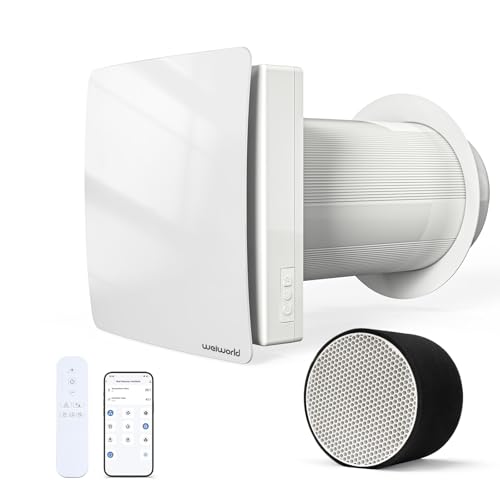
Weiworld Heat Recovery Ventilator with Ceramic Heat Exchanger, Wall-Mounted Fresh Air System with WiFi/Remote Control for Home, Attic, Garage – Supply, Exhaust & Recirculation Ventilation Fan
Heat Recovery Ventilator (HRV) for Single Room Ventilation: Equipped with a high-efficiency ceramic heat exchanger that recovers up…
As an affiliate, we earn on qualifying purchases.
As an affiliate, we earn on qualifying purchases.
humidistat for ERV
As an affiliate, we earn on qualifying purchases.
As an affiliate, we earn on qualifying purchases.