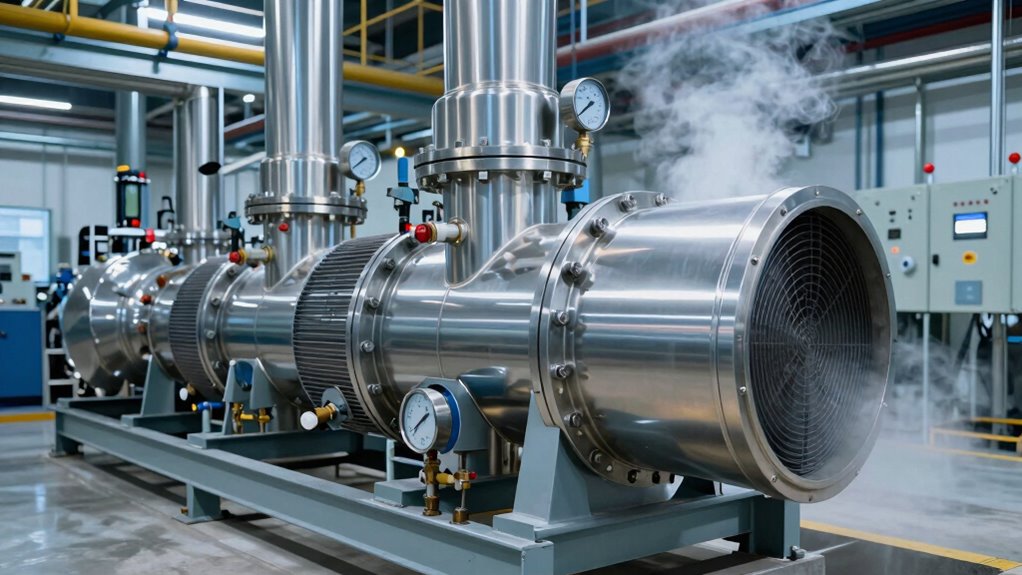

The heat recovery number that matters most shows how effectively your system captures and reuses waste heat to save energy and cut costs. It’s a key indicator of your system’s performance and helps you identify areas for improvement. By focusing on this number, you can make smarter upgrades, reduce heat losses, and boost overall efficiency. Want to discover ways to optimize this number further? Keep exploring to find out more.
Key Takeaways
- The Heat Recovery Number indicates the proportion of waste heat effectively captured and reused in a system.
- A higher recovery number signifies better system efficiency and energy conservation.
- Accurate measurement and verification are essential for reliable performance assessment.
- Improving system components and insulation can increase the heat recovery number.
- Focusing on this number helps optimize system design, reduce costs, and lower environmental impact.

Have you ever wondered how efficiently your heating system recovers waste heat? Understanding this can significantly impact your energy bills and environmental footprint. The key lies in the Heat Recovery Number that truly matters, which is often overlooked amidst complex metrics and figures. This specific metric focuses on the verification of claims, ensuring that the efficiency data you rely on is accurate and trustworthy. This number isn’t just about raw efficiency; it’s about how well your system transforms waste heat into useful energy, making it a vital indicator of energy conservation. When you focus on this figure, you get a clearer picture of your system’s performance, allowing you to optimize operations and reduce unnecessary energy consumption. Additionally, proper handling of filter sizing/flow can ensure your system operates at peak efficiency, further enhancing heat recovery. Efficiency metrics are commonly used to gauge the performance of heating systems, but not all metrics tell the full story. The most meaningful metric for heat recovery emphasizes the proportion of waste heat captured and repurposed. It’s important to recognize that system design plays a critical role in maximizing heat recovery, directly influencing this key number. This number helps you understand how much of the heat generated, which would otherwise be lost, is actually being put to good use. It’s a practical measure that directly ties into energy conservation efforts. Improving system components can also significantly boost this number by reducing heat losses and enhancing overall efficiency. By maximizing this number, you’re not only reducing energy waste but also lowering your costs and carbon footprint. It’s a straightforward way to evaluate whether your system is truly performing at its best. When you pay attention to this critical heat recovery number, you’re essentially making smarter decisions about system upgrades and maintenance. For example, if your heat recovery efficiency is low, it indicates that your system isn’t capturing enough waste heat, prompting you to consider improvements like better insulation, more effective heat exchangers, or upgraded components. These adjustments can dramatically increase your energy conservation, leading to lower bills and a smaller environmental impact. Conversely, if your recovery number is high, it confirms that your current setup is optimized, giving you confidence in your investment and encouraging ongoing maintenance. Ultimately, focusing on this specific heat recovery number keeps your energy conservation efforts on track. It simplifies complex data into a clear, actionable insight that can guide your decisions. Instead of getting lost in a sea of efficiency metrics that may not directly reflect real-world performance, you concentrate on the key indicator that shows how well your system is reclaiming waste heat. By doing so, you’re empowering yourself to maximize efficiency, reduce costs, and contribute to a greener future—all by understanding and improving the heat recovery number that truly matters.
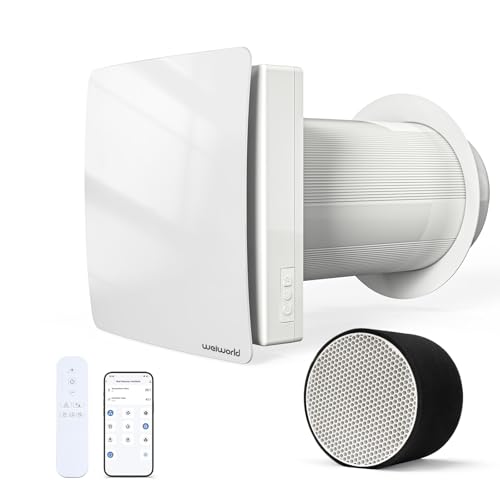
Weiworld Heat Recovery Ventilator with Ceramic Heat Exchanger, Wall-Mounted Fresh Air System with WiFi/Remote Control for Home, Attic, Garage – Supply, Exhaust & Recirculation Ventilation Fan
Heat Recovery Ventilator (HRV) for Single Room Ventilation: Equipped with a high-efficiency ceramic heat exchanger that recovers up…
As an affiliate, we earn on qualifying purchases.
As an affiliate, we earn on qualifying purchases.
Frequently Asked Questions
How Is the Heat Recovery Number Calculated?
You calculate the heat recovery number by dividing the heat transferred during recovery by the total heat input, then multiplying by 100 to get a percentage. This efficiency metric shows how effectively a system captures and reuses heat. In practice, you measure the heat transfer with sensors, analyze the data, and then perform the calculation. Higher numbers indicate more efficient heat recovery, maximizing energy savings.
What Industries Benefit Most From Heat Recovery?
You benefit most from heat recovery in industries like manufacturing, power generation, and chemical processing, where large amounts of waste heat are produced. By implementing heat recovery systems, you can boost renewable energy use and reduce waste, lowering energy costs and environmental impact. These industries see significant gains in efficiency and sustainability, making heat recovery a crucial strategy for advancing eco-friendly practices and optimizing resource use.
How Does Temperature Difference Affect Heat Recovery Efficiency?
You might think larger temperature differences always boost heat recovery efficiency, but research shows the relationship is nuanced. Temperature dynamics influence energy transfer by creating a greater gradient, which typically enhances heat exchange. However, if the difference is too extreme, it can cause system inefficiencies or heat loss. So, ideal recovery occurs within a balanced temperature range, maximizing energy transfer without sacrificing system stability or efficiency.
Can Heat Recovery Systems Be Integrated Into Existing Setups?
Yes, you can integrate heat recovery systems into existing setups. Focus on system integration to guarantee compatibility with your current equipment, and consider energy storage options to maximize efficiency. Proper planning helps you avoid disruptions, and retrofitting can be cost-effective if designed correctly. By carefully evaluating your setup, you can enhance your system’s performance and energy savings without a complete overhaul.
What Are Common Challenges in Optimizing Heat Recovery?
You face common challenges in optimizing heat recovery, especially balancing energy savings with effective system design. If you don’t carefully plan your setup, you might encounter inefficiencies or energy losses. Ensuring proper integration and calibration is key. You need to focus on customizing system design to match your specific needs, which can be complex but ultimately maximizes energy savings and improves overall system performance.

Heat Exchangers for Waste Heat Recovery
As an affiliate, we earn on qualifying purchases.
As an affiliate, we earn on qualifying purchases.
Conclusion
Remember, the heat recovery number isn’t just a dull statistic—it’s the heartbeat of your system’s efficiency. Think of it as the secret ingredient in a recipe that turns good into great. When you keep an eye on this number, you’re steering your energy savings like a captain guiding through choppy waters to calm seas. Embrace it, and watch your system’s performance transform into a well-orchestrated symphony of sustainability.

HADOR Reflective Window Film Insulation Roll 48 in X 10 Feet, Foil Aluminum Roll Double-Sided Foam Core, Summer Window Heat Blocker for RV/Windows/Garage Door – Folded Package
Package Contents: HADOR Reflective Window Insulation kit has everything you need. It includes a 48 inch x 10…
As an affiliate, we earn on qualifying purchases.
As an affiliate, we earn on qualifying purchases.
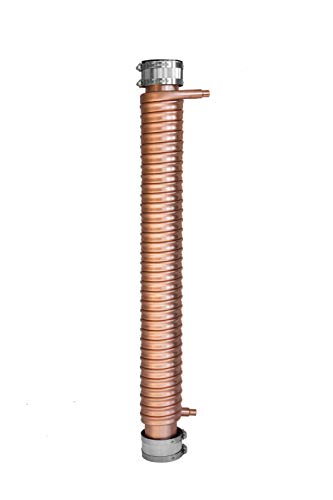
ThermoDrain TDH3320B-DR-PEX high performance drain water heat recovery unit – factory installed PEX fittings
Energy Efficient: Designed to recover heat from shower drain water, significantly reducing your water heating costs.
As an affiliate, we earn on qualifying purchases.
As an affiliate, we earn on qualifying purchases.