
Thermal lag affects how your building heats up and cools down by delaying indoor temperature responses to outdoor changes. When sunlight heats exterior surfaces, heat moves inside gradually, making indoor temperatures stay warmer after sunset or cooler at night than outside. The materials and insulation you choose play a key role—heavy, dense materials store heat longer, while good insulation prolongs this effect. If you’re curious about how to optimize comfort and energy efficiency, there’s more to discover.

Get backup power and energy gear delivered free — and shop member deals
- Fast, free delivery on millions of items
- Access to Prime Big Deal Days deals on October 6–7
- Prime Video, Amazon Music and more included
Key Takeaways
- Thermal lag causes a delay between outdoor temperature changes and indoor climate responses.
- Building materials with high thermal mass absorb and release heat slowly, affecting heating and cooling rates.
- Insulation levels influence the duration of thermal lag, with better insulation extending temperature stability.
- Solar heat absorption by exterior surfaces impacts indoor temperature shifts over time.
- Design strategies that consider thermal lag improve indoor comfort and energy efficiency.

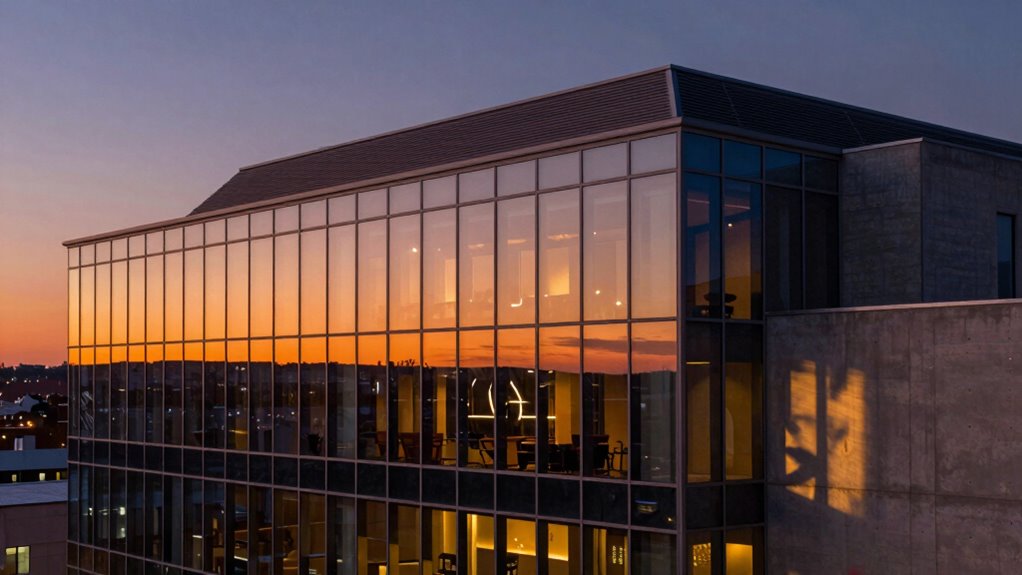
Thermal lag in buildings refers to the delay between the time outdoor temperatures change and when those changes affect the indoor environment. This phenomenon influences how your building heats up during the day and cools down at night. You might notice that even after the sun sets, your indoor temperature remains warm for a while, or that mornings are cooler than you’d expect, given the overnight outdoor chill. This delay occurs because of how heat moves through the building’s materials and how those materials respond to external temperature shifts. Additionally, the presence of thermal mass in construction materials significantly impacts the duration of thermal lag. One of the key factors that determine the extent of thermal lag is how your building handles solar heat. When sunlight hits your roof and walls, it heats the exterior surfaces. However, the heat doesn’t instantly transfer inside; instead, it gradually moves through the walls and floors. This process causes a delay in how quickly the indoor space warms up after sunrise or cools down after sunset. If your building has high insulation efficiency, it can trap this heat more effectively, extending the duration of warmth during cooler nights or cloudy days. Conversely, poor insulation allows heat to escape quickly, shortening the thermal lag and making indoor temperatures more directly tied to outdoor changes. The materials used in your building’s construction play a significant role in thermal lag. Heavy, dense materials like concrete and brick tend to store heat longer than lighter materials, creating a more pronounced delay in temperature changes indoors. These materials absorb solar heat during the day and slowly release it as outdoor temperatures fall, providing a more stable indoor environment. This effect is similar to how electric bikes can produce instant torque, which affects their acceleration and performance, showing how material properties influence heat transfer and response times. On the other hand, lightweight materials with lower thermal mass respond faster, meaning indoor temperatures fluctuate more rapidly with outdoor conditions. Your building’s insulation efficiency directly impacts how effectively heat is retained or lost. Good insulation slows down heat transfer, allowing thermal lag to buffer indoor temperatures against outdoor fluctuations. This means you’ll experience a more gradual transition between day and night temperatures, which can improve comfort and reduce energy costs. Understanding how solar heat and insulation efficiency influence thermal lag helps you grasp why your building heats up and cools down in the way it does. By optimizing insulation and selecting appropriate materials, you can enhance thermal lag, leading to a more comfortable indoor climate and better energy efficiency. Recognizing the importance of building materials can guide you in making smarter choices for long-term comfort and energy savings. Additionally, being aware of climate conditions helps in designing buildings that naturally adapt to local temperature patterns, further improving thermal performance.
As an affiliate, we earn on qualifying purchases.
Frequently Asked Questions
How Does Thermal Lag Affect Indoor Air Quality?
Thermal lag impacts indoor air quality by influencing indoor airflow and temperature stability. When a building takes longer to heat up or cool down, it can lead to inconsistent airflow, trapping pollutants and reducing air filtration effectiveness. This fluctuation may cause stale air pockets, increasing indoor pollution levels. By managing thermal lag, you help maintain steady airflow, enhance air filtration, and guarantee healthier indoor air quality, especially during temperature shifts.
Can Thermal Lag Be Measured Accurately in Existing Buildings?
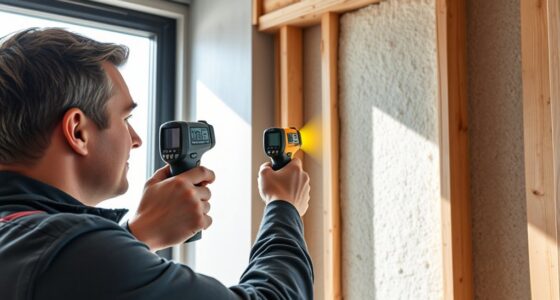
Yes, thermal lag can be measured accurately in existing buildings using thermal measurement tools like infrared cameras, temperature sensors, and data loggers. To guarantee lag accuracy, you need to monitor temperature changes over time during heating and cooling cycles, then analyze the data to determine the delay between exterior and interior temperature shifts. Proper placement and calibration of sensors are essential for precise results.
Does Thermal Lag Influence Energy Efficiency Over Time?
Yes, thermal lag influences your building’s energy efficiency over time. When your building has high thermal inertia, it retains heat longer, reducing the need for constant heating or cooling. This heat retention helps stabilize indoor temperatures, saving energy. Conversely, low thermal inertia causes rapid temperature changes, increasing energy use. Understanding thermal lag allows you to optimize insulation and ventilation, enhancing overall energy efficiency and comfort in your building.
How Do Climate Zones Impact Thermal Lag Effects?
Climate zones profoundly influence thermal lag effects, guiding your climate adaptation strategies and zoning decisions. In colder zones, thermal lag helps retain heat, so you might focus on insulation and thermal mass to maximize this benefit. Conversely, in warmer zones, rapid cooling is essential, so zoning strategies should prioritize ventilation and shading. Understanding these zone-specific thermal lag impacts helps you design buildings that efficiently respond to local climate conditions.
Are There Building Materials Designed to Optimize Thermal Lag?
Ever wondered if building materials can be designed to optimize thermal lag? Yes, they can. Material innovation focuses on developing products that enhance heat retention and control how quickly heat transfers through walls. These materials slow down temperature changes, making buildings more energy-efficient and comfortable. Using advanced insulations or phase change materials, you can effectively maximize thermal lag, helping your building stay cooler in summer and warmer in winter.
insulation for energy efficiency
As an affiliate, we earn on qualifying purchases.
As an affiliate, we earn on qualifying purchases.
Conclusion
Understanding thermal lag helps you realize that buildings don’t heat up or cool down instantly. This delay can reduce energy costs by smoothing out temperature fluctuations, making your space more comfortable. Notably, studies show that well-designed buildings with ideal thermal lag can save up to 30% on cooling and heating energy. By appreciating how thermal lag works, you can better enhance your building’s comfort and efficiency, ultimately saving money and reducing environmental impact.
solar heat absorbing exterior paint
As an affiliate, we earn on qualifying purchases.
As an affiliate, we earn on qualifying purchases.
As an affiliate, we earn on qualifying purchases.
Halloween Picks
halloween
As an affiliate, we earn on qualifying purchases.