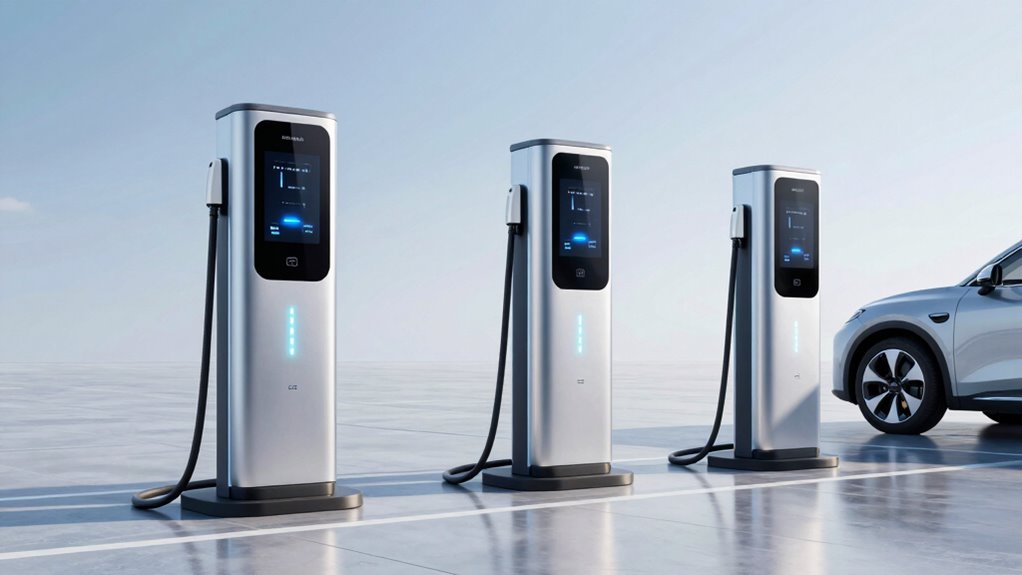

Choosing the best EV charger with power sharing in 2026 means balancing features like charging speed, connectivity, compatibility, and ease of installation. The top picks include the EVIQO Level 2 EV Charger J1772 40A for its WiFi flexibility, the Level 2 EV Charger 48A Hardwired for durability, and the Level 2 WiFi Plug-and-Play 48A for fast, user-friendly home charging. Each offers unique tradeoffs: some excel in connectivity but require professional setup, while others prioritize speed but limit compatibility. Let’s explore how these options differ and who they serve best.

Get backup power and energy gear delivered free with Prime
- Fast, free delivery on millions of items
- Prime Video, Amazon Music and more included
- Member-only deals all year
Key Takeaways
- Higher amperage chargers generally provide faster charging but may require more robust wiring and professional installation.
- WiFi connectivity enhances remote control and energy management but can depend on your network’s strength and setup.
- Plug-in models offer easier installation, while hardwired chargers tend to be more durable and suitable for permanent setups.
- Compatibility varies; Tesla users often need adapters, while others benefit from NEMA 14-50 or NACS connectors.
- Weatherproofing and safety certifications are essential for outdoor installations and long-term reliability.


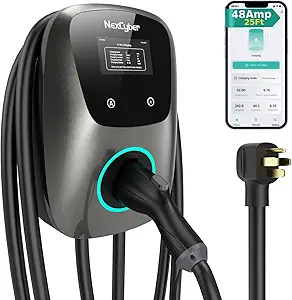

| ev charger with power sharing | Cable Length | Connector | Amperage | Voltage |
|---|---|---|---|---|
| EVIQO Level 2 EV Charger J1772 | 25 ft | J1772 | 40A | 240V |
| EVIQO Level 2 EV Charger J1772 | 25 ft | — | — | 240V |
| Aimiler Level 2 Electric Vehic | 25 ft | J1772 | 16A-32A | 220V-240V |
| Level 2 EV Charger WiFi APP Pl | 25 ft | — | 48A | — |
| Level 2 EV Charger for Tesla | 25 ft | NACS (Tesla-style) | — | — |
More Details on Our Top Picks
EVIQO Level 2 EV Charger J1772 40A NEMA 14-50 – 240V Wall Charging Station
This charger stands out for its broad compatibility with all non-Tesla EVs using J1772 ports and its WiFi connectivity, which enables remote control, scheduling, and energy tracking. It’s weatherproof for both indoor and outdoor use, making it versatile. Compared with more powerful options, its 40A maximum may limit charging speed for high-capacity EVs, but the convenience of app control and weatherproof design makes it a strong all-around pick.
Pros:- Compatible with all non-Tesla J1772 EVs
- WiFi app allows remote control and scheduling
- Weatherproof for indoor and outdoor use
- Glow-in-the-dark holster
Cons:- Requires dedicated 50A outlet
- WiFi signal depends on network quality
- Price not specified
Best for: Homeowners seeking a reliable, WiFi-enabled charger compatible with most non-Tesla EVs
Not ideal for: Tesla owners without adapters or those needing ultra-fast charging over 40A
- Connector:J1772
- Amperage:40A
- Voltage:240V
- Cable Length:25 ft
- Outlet Type:NEMA 14-50
- Weatherproof:IP66 / NEMA 4
EVIQO Level 2 EV Charger J1772 48A Hardwired 240V Wall Charging Station
This model offers a robust 48A charging capacity, ideal for users needing faster top-ups and durable outdoor installation. Its hardwired setup ensures a secure connection, but it demands professional wiring, making it less suitable for DIYers. Unlike plug-in models, its fixed wiring offers more stability but less flexibility in relocating the charger. Its WiFi allows remote control, but the 48A limit might be a constraint for those wanting even faster charging.
Pros:- High 48A charging speed
- Weatherproof and durable for outdoor use
- WiFi remote control and over-the-air updates
- Secure, hardwired installation
Cons:- Requires licensed electrician for installation
- Limited to 48A unless adjustments made
- No plug-in option for flexibility
Best for: Homeowners seeking a permanent, high-capacity charger with weatherproof durability
Not ideal for: Renters or those who prefer plug-and-play solutions without professional wiring
- Max Current:48A
- Voltage:240V
- Cable Length:25 ft
- Installation:Hardwired
- Weatherproof Rating:IP66 / NEMA 4
Aimiler Level 2 Electric Vehicle (EV) Charger, 32A, 25ft Cable, Wi-Fi App Control, NEMA 14-50P Plug
The Aimiler charger offers a balanced mix of speed and convenience with 32A output, providing up to 7.68kWh charging. Its plug-in design simplifies installation, making it suitable for homeowners seeking fast, safe charging without complex wiring. It supports most North American EVs but falls short for Tesla or NACS vehicles without adapters. Its WiFi app control adds smart features, though the lower amperage limits maximum charging speed compared to higher-end models.
Pros:- Fast charging up to 7.68kWh
- WiFi app for remote start and scheduling
- Plug-in convenience with NEMA 14-50P
- Waterproof and ETL certified
Cons:- Limited to 32A, slower than 48A models
- Requires standard electrical circuit
- Not compatible with Tesla without adapters
Best for: Home users wanting quick, WiFi-controlled charging with simple setup
Not ideal for: Tesla owners without adapters or users requiring higher than 32A power
- Amperage:16A-32A
- Voltage:220V-240V
- Cable Length:25 ft
- Connector:J1772
- Certification:ETL
Level 2 EV Charger WiFi APP Plug-Play 48A NEMA 14-50p 25ft Cable ETL Certified
This charger delivers rapid charging with up to 46 miles per hour at 48A, combined with smart WiFi control, a user-friendly touch screen, and broad certification. Its 25-foot cable enhances flexibility around the garage or driveway. Compared to hardwired options, this plug-in model offers easier setup but may lack the long-term durability of a fixed installation. It’s well-suited for those wanting fast, connected charging with minimal professional setup.
Pros:- Fast charging up to 46 miles/hour
- Smart WiFi app control and touch screen
- ETL, FCC, Energy Star certified
- Long 25-foot cable
Cons:- Requires professional installation
- Not directly compatible with Tesla without adapters
- Potential durability concerns over long-term use
Best for: Homeowners seeking fast, connected charging with easy installation
Not ideal for: Commercial setups or users preferring hardwired, permanent solutions
- Charging Speed:Up to 46 miles/hour
- Amperage:48A
- Cable Length:25 ft
- Connector Type:NEMA 14-50p
- Certification:ETL, FCC, Energy Star
Our verdict“Ideal for users wanting quick, smart charging with easy plug-in setup.”
Level 2 EV Charger for Tesla, 48Amp/11.5KW, UL 2594/ETL/Energy Star
This charger offers rapid, safe charging at 48A and 11.5kW, with automatic safety features for Tesla and other NACS-compatible EVs. Its smart app controls and utility program support make it a convenient choice for Tesla owners wanting reliable home charging. It does require professional installation and is limited to 2.4GHz WiFi networks, which may affect connectivity in some homes. Compared with J1772 options, it’s tailored for Tesla and NACS vehicles, but less versatile for other EVs without adapters.
Pros:- Fast charging at 11.5kW (48A)
- Automatic overheating protection
- Supports utility programs and incentives
- Easy installation
Cons:- Limited to NACS/Tesla-style connectors
- Requires professional setup
- WiFi limited to 2.4GHz networks
Best for: Tesla owners seeking fast, dedicated home charging with safety features
Not ideal for: Non-Tesla EV users who lack adapters or want broader compatibility
- Charging Power:11.5 kW
- Current:6A to 48A
- Connector:NACS (Tesla-style)
- Cable Length:25 ft
- Certifications:UL 2594, ETL
Our verdict“Best for Tesla owners prioritizing high-speed, safe, dedicated charging.”

How We Picked
Our selection process focused on chargers that support power sharing capabilities, prioritizing devices with smart features, reliable safety certifications, and broad compatibility. We examined their connectivity options, installation requirements, and user safety features, comparing speed and design tradeoffs. Practical considerations such as ease of use, robustness, and warranty coverage helped us identify options suitable for different home setups and user needs.
| ev charger with power sharing | Connector |
|---|---|
| EVIQO Level 2 EV Charger J1772 | J1772 |
| EVIQO Level 2 EV Charger J1772 | — |
| Aimiler Level 2 Electric Vehic | J1772 |
| Level 2 EV Charger WiFi APP Pl | — |
| Level 2 EV Charger for Tesla | NACS (Tesla-style) |
Factors to Consider When Choosing Ev Charger With Power Sharing
Selecting an EV charger with power sharing requires understanding your vehicle type, installation preferences, and desired features. Key factors include charging speed, connectivity, compatibility, and whether a plug-in or hardwired setup suits your home. Power sharing capabilities enable multiple vehicles to balance load efficiently, which is especially useful for households with multiple EVs or high energy demands. The right choice aligns with your technical setup, vehicle compatibility, and future expansion plans.
Understanding Power Sharing and Charging Speed
Power sharing allows chargers to distribute available power dynamically between multiple vehicles or charging ports. Chargers with higher amperage typically support faster charging, but they also require robust electrical wiring and sometimes professional installation. If you need rapid top-ups or have high-capacity EVs, prioritize models offering at least 48A. For casual or single EV use, 32A or lower may suffice, simplifying installation and reducing costs.
Connectivity and Smart Features
WiFi control adds a layer of convenience, enabling remote start, scheduling, and energy tracking. Devices with app support are ideal for tech-savvy users managing energy consumption or integrating with home automation systems. However, WiFi connectivity can be affected by your home network, so ensure strong signal strength near your parking spot. If you prefer minimal tech, simpler models without smart features still offer reliable charging but lack remote control options.
Installation Types and Compatibility
Decide between plug-in chargers, which are easier to install and relocate, and hardwired units, which tend to be more durable and suitable for permanent setups. Compatibility varies: non-Tesla EVs generally use J1772 connectors, while Tesla vehicles require adapters or NACS-compatible chargers. Check your vehicle’s plug type and ensure the charger supports your model’s power needs. Weatherproofing and safety certifications are essential if you plan outdoor installation.
Additional Considerations
Look for safety certifications such as UL, ETL, or Energy Star to ensure compliance with standards. Consider cable length based on your parking setup, and verify if professional installation is needed, especially for higher amperage models. Budget also plays a role, with plug-in models typically costing less upfront but potentially less durable long-term compared to hardwired options. Think about future expansion—if you plan to add more EVs, select a charger supporting power sharing capabilities.
Frequently Asked Questions
What is power sharing in EV chargers?
Power sharing in EV chargers refers to their ability to distribute electrical load dynamically across multiple charging ports or vehicles. This feature helps optimize energy use, prevent overloads, and manage household power demand efficiently, especially useful when charging multiple EVs simultaneously or during peak energy usage periods.
Do I need a special electrical setup for high-amperage chargers?
Yes, chargers supporting 48A or higher typically require dedicated circuits with proper wiring to handle the increased load safely. Professional installation is recommended to meet electrical codes and ensure reliable operation, especially for hardwired models. This setup helps prevent electrical issues and maximizes charging performance.
Can I use a standard outlet for these chargers?
Most high-capacity Level 2 chargers need a NEMA 14-50 or similar outlet, which is not standard in all homes. Some models, like plug-in options, are designed for this outlet type, offering easier installation. However, higher amperage units often require a dedicated circuit and may not be compatible with standard household outlets without modifications.
Are WiFi-connected chargers secure?
WiFi-enabled chargers typically incorporate security protocols to protect your network and data, but they can be vulnerable if your home WiFi is weak or poorly secured. Regular firmware updates, strong passwords, and secure network settings help mitigate risks. For users concerned about cybersecurity, simpler or offline models may be preferable.
What should I consider when choosing between plug-in and hardwired chargers?
Plug-in chargers offer easier, DIY-friendly installation and flexibility to relocate, making them ideal for renters or temporary setups. Hardwired chargers, however, tend to be more durable and suitable for permanent installations, especially in outdoor or high-traffic environments. Your choice should depend on your home’s electrical infrastructure, installation preferences, and long-term needs.
Conclusion
For homeowners seeking simplicity and flexibility, plug-in chargers like the Aimiler 32A model make a lot of sense. Those with permanent setups or higher energy demands should consider hardwired options like the EVIQO 48A, especially if outdoor durability is a priority. Tesla owners will find dedicated NACS-compatible chargers like the IYILO 48A best suited for fast, safe home charging. Meanwhile, users wanting the most versatile, feature-rich solution should opt for chargers with WiFi and power sharing capabilities, ensuring future-proof energy management for multiple EVs or household needs.
Halloween Picks
halloween
As an affiliate, we earn on qualifying purchases.