
TL;DR
A House Beautiful report describes seven ways to reuse fallen leaves instead of sending them to a landfill: mulch them into a lawn, shelter wildlife, make mulch, enrich garden beds, compost them, cover a path or protect cold-season plants. The advice includes practical limits, such as keeping lawn leaf cover under an inch and applying shredded-leaf mulch in a two- to three-inch layer.
House Beautiful has outlined seven ways to reuse raked autumn leaves, including mowing them into lawns, using them as mulch and composting them, rather than bagging them for landfill disposal. The recommendations offer homeowners ways to put yard debris to work while supporting garden soil, sheltering wildlife and protecting some plants through winter.

Get backup power and energy gear delivered free with Prime
- Fast, free delivery on millions of items
- Prime Video, Amazon Music and more included
- Member-only deals all year
For a lawn with less than one inch of leaves, the report says homeowners can mow over the dry leaves so the pieces break down on the grass. A mulching mower is preferred; with a standard mower, a second pass at a right angle can further chop the leaves. The resulting small pieces add organic material back to the lawn.
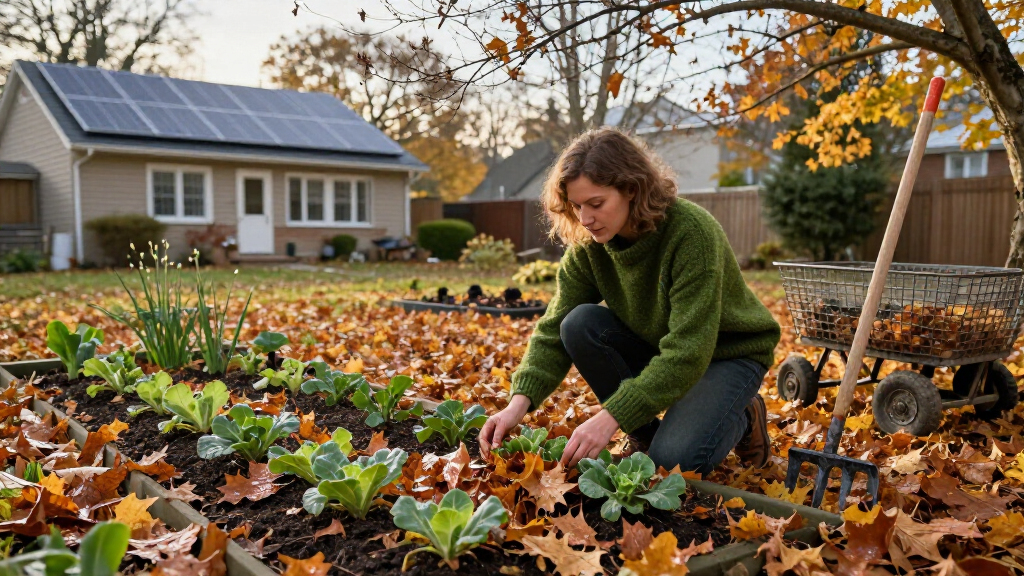
Other options depend on where leaves are used. The National Wildlife Federation advises leaving some whole leaves in garden beds as winter cover for insects, spiders, turtles, toads and small mammals, according to the report. For garden mulch, House Beautiful cites the University of Delaware’s recommendation to spread two to three inches of shredded leaves around shrubs and perennials to suppress weeds and reduce soil erosion.
Leaves can also be worked into garden beds, added to a compost pile as brown material, or used to cover a muddy garden path. The seventh option is to mound a three- to five-inch layer around and over some greens and perennial herbs, such as Swiss chard, sage, parsley and oregano, to help extend their growing season. The report suggests using wire cages to keep the leaves in place.
How Leaves Can Support a Garden
Reusing leaves can reduce the amount of yard waste sent to disposal and return organic material to the garden. Depending on the method, leaves can cover soil, limit erosion and weeds, or supply compost material. Whole leaf litter can also provide places for some wildlife to shelter during cold months, while a carefully placed layer may help protect selected plants from winter conditions.
The methods are not interchangeable: shredded leaves are recommended for lawn use, mulch and incorporation into beds, while whole leaves are better suited to wildlife cover. Applying leaves too thickly or using them where they become slippery or matted may undermine those benefits. The report’s specific depth guidance gives readers a starting point, not a guarantee for every yard or plant.
Products Worth Considering

Levoit Core 400S-P Smart Air Purifier for Large Rooms

Dyson V8 Cyclone Cordless Vacuum

Philips Hue Play HDMI Sync Box 4K
As an affiliate, we earn on qualifying purchases.
Seven Uses for Autumn Leaves
The source report presents the suggestions as alternatives to bagging leaves for landfill. Its first recommendation is to mow over a light layer after it has dried as much as possible. If the leaf layer is heavier than the stated one-inch threshold, the report does not recommend simply mowing it into the lawn; it instead describes collecting or shredding leaves for other uses.
For compost, leaves are described as “browns,” to be balanced with green materials as the pile decomposes. People without space for a home compost pile can check whether their municipality collects leaves and yard debris. The report says some communities turn that material into compost later offered to residents, but local programs and availability vary.
On paths, the report favors shredded leaves because whole leaves may become slippery or mat down. For extending the harvest of greens and herbs, it recommends containing the leaf cover with small chicken-wire cages. These are practical suggestions from the article; local conditions, plant needs and the amount of available leaf litter will affect how useful each option is.
“A two- to three-inch layer is sufficient to keep down weeds and reduce soil erosion.”
— House Beautiful, citing the University of Delaware
Limits and Local Conditions
The report does not provide a single method suitable for every lawn, garden or climate. It does not specify how quickly leaves break down, quantify expected improvements to soil or plant survival, or establish that the suggested protection will allow harvesting through the entire winter in all regions. The claim that gardeners may harvest for much of winter is presented as a possibility, not a guaranteed outcome.
Municipal collection and compost distribution also depend on local services. The source does not identify participating towns or provide guidance for leaves that may be diseased or contaminated. Readers should check local yard-waste rules and consider the condition of the leaves and the needs of their plants before choosing a use.
Choosing a Use This Fall
Homeowners can start by checking the depth and condition of the leaves, then choose a use: mow a thin, dry layer into the lawn, keep some whole leaves in garden beds for cover, or shred and save leaves for mulch and compost. Those considering municipal collection should check their local government’s schedule and instructions.
As winter approaches, gardeners can apply the report’s suggested leaf layers to suitable beds and plants, keeping pathway surfaces in mind. The supplied source describes recommendations rather than a new policy or scheduled follow-up; no further development is identified.
Key Questions
Can I mow all of the leaves into my lawn?
The report recommends mowing over leaves when the layer is less than one inch thick and as dry as possible. It does not recommend mowing a heavier layer directly into the lawn; collect or redirect excess leaves instead.
Should leaves for garden mulch be shredded?
Yes. The report recommends using shredded leaves as mulch around shrubs and perennials, with a two- to three-inch layer. It says this can help suppress weeds and reduce erosion.
Why leave some leaves whole?
Whole leaves in garden beds can provide winter cover for wildlife, including insects, spiders, small mammals, turtles and toads, according to House Beautiful’s account of National Wildlife Federation guidance.
Can fallen leaves go in a compost pile?
Yes. The report describes leaves as “browns” for compost and recommends saving them to balance green materials. People without room for a pile can check whether their municipality collects yard debris and offers finished compost.
Are whole leaves suitable for garden paths?
The report says shredded leaves are preferable for paths because whole leaves can become slippery or matted. Conditions vary, so take care where leaves may collect on walking surfaces.
Source: rss